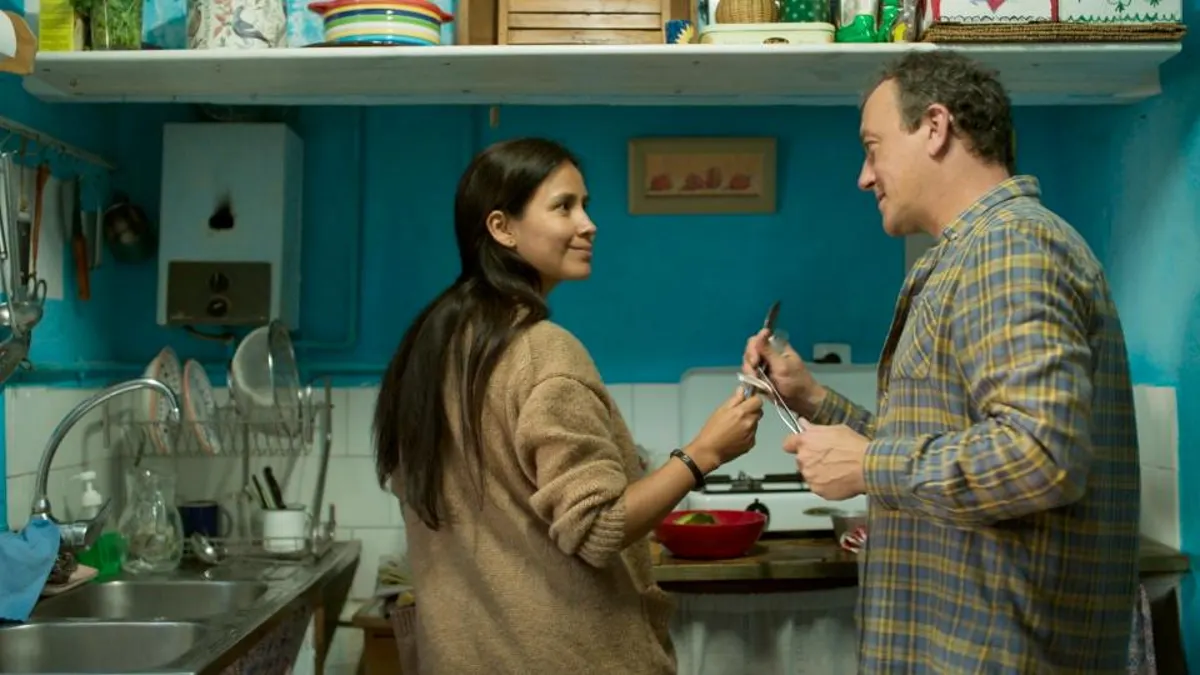
A new Spanish drama, "Un hombre en un puente," follows a man who returns to his hometown after his life falls apart, only to find that old relationships offer little comfort. The film stars Roger Casamajor as Andrés and Nidia Bermejo as Liliana, and is directed and written by David Martín de los Santos, who previously made "La vida era eso."
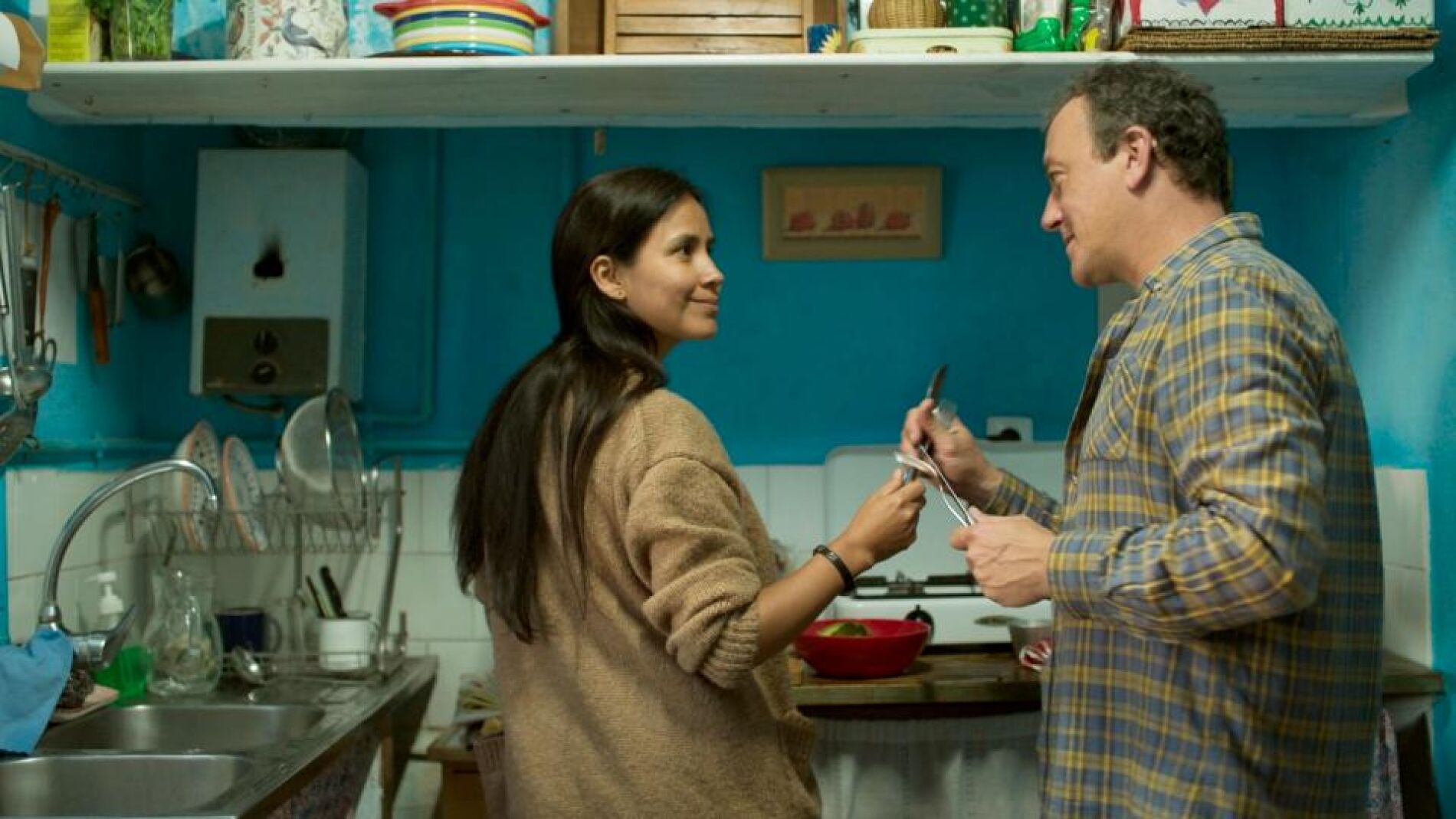
In the story, Andrés comes home hoping to find something like a refuge, but discovers that former affections have cooled, friendships have changed, and family ties seem impossible to repair. Into that landscape of broken connections comes Liliana, whose appearance opens up a possibility Andrés had never imagined for himself.
Martín de los Santos said he once again wanted to explore characters marked by the wounds of time, as he did in "La vida era eso," this time placing an uncomfortable and contradictory man at the centre of the story.
Building a Divisive Lead
The director acknowledged that Andrés is a controversial character, but said that did not worry him, even if audiences struggled to like him or empathise with him. He said he built the character thinking of someone with a certain humanity and tenderness.
That dimension found its face in Casamajor, whose gaze, according to the director, brings fragility to a character who grows darker as the story unfolds. Martín de los Santos described Andrés as a "liquid character," saying he had asked himself at what point this man began to corrupt, and how much of that was down to the influence of his surroundings.
Hiding Vulnerability
The film also looks at how difficult it can be for men to admit failure and ask for help. Martín de los Santos said society penalises failure, and that men in particular have not been allowed to show their fragility. Andrés searches for shelter, the director explained, but by hiding his situation he ends up isolating himself instead.
The director said he found a real echo of that loneliness in the story of a man who had spent a year living in a car in Madrid without telling his family. He said he feels there is not enough openness about personal wounds, adding that he feels less alone when he recognises his own vulnerabilities.
The Pandemic as Backdrop
The Covid-19 pandemic ended up becoming part of the story in a natural way, according to the director. He said it is less the subject of the film than the setting for a crisis that can break a life while, at the same time, opening a door. He added that a crisis can sometimes also give someone the chance to rise again.
Test yourself
Who plays the lead character Andrés in 'Un hombre en un puente'?
What real-life story did the director say inspired part of the film?
What did the director say he was not worried about when creating Andrés?
Have your say
Do you think society makes it harder for men to admit failure and ask for help?