

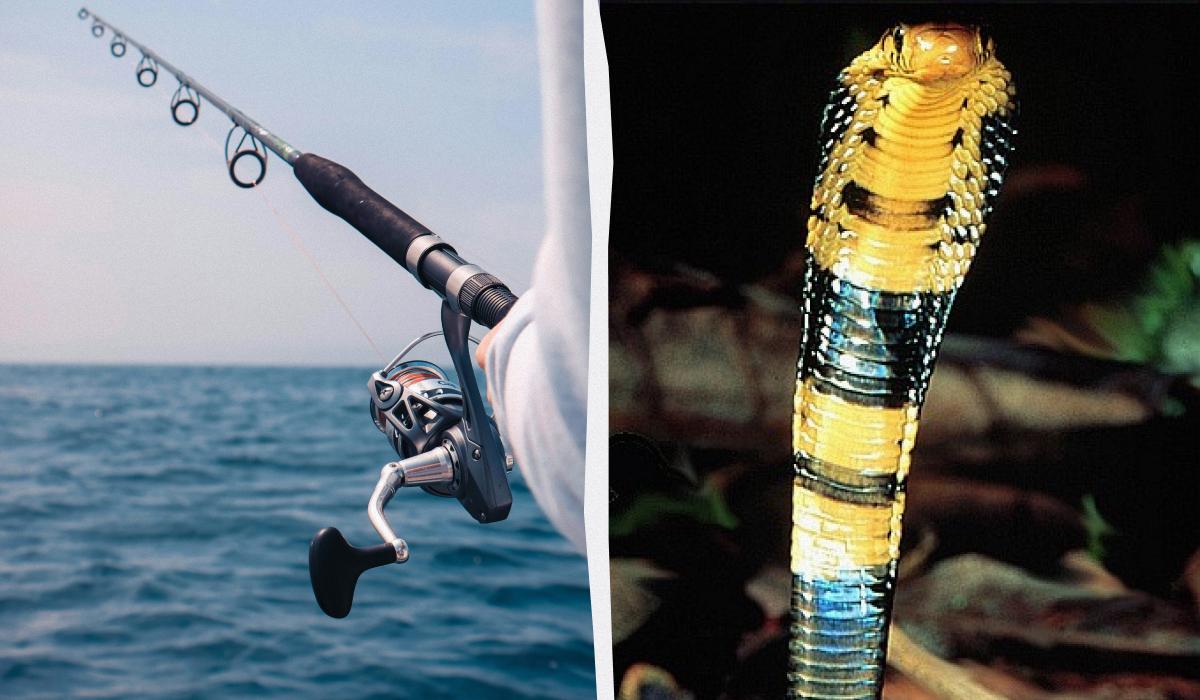
About 100 fishermen on Musambwa Island in Lake Victoria, Uganda, are living alongside thousands of venomous black-and-white cobras without a single recorded fatal snakebite.
The tiny island measures only about three football fields in size, according to a report by BBC Wildlife Magazine. The black-and-white cobras move freely inside and around human dwellings across the settlement.
Over decades of coexistence between the human community and the reptiles, not one death from a snakebite has been documented. The islanders belong to the Baganda ethnic group from south-eastern Uganda, and they revere the cobras as divine beings. Harming the snakes on Musambwa Island is strictly forbidden.
The Baganda people represent the largest ethnic group in Uganda, a landlocked nation in East Africa. Musambwa Island sits approximately 10 kilometres off the north-western coast of Lake Victoria.
Fishermen on the island admitted that they are generally afraid of snakes, but said the resident cobras do not bother them. The community maintains strict rules that prohibit sexual relations on the island. While women are widely banned from residing on Musambwa, some female traders and tourists are permitted to visit.
Cobra diet and characteristics
The black-and-white cobra is the largest species of true cobras in Africa and can reach lengths exceeding 3 metres. On Musambwa Island, however, the average length of the cobras is 1.7 metres.
In other regions of its African habitat, the black-and-white cobra hunts small mammals, reptiles, amphibians, and fish from ambush. On Musambwa Island, its diet consists of waterfowl eggs, chicks, adult birds, fish, and other snakes.
This dietary adaptation is linked to the presence of the world's largest colony of grey-headed gulls, which inhabits the island and provides an abundant food source for the snake population.
Speed of the black mamba
BBC Wildlife section editor Sarah McPherson previously detailed another of Africa's most dangerous snakes, the black mamba. The species is capable of moving at speeds of up to 15 km/h across open terrain.
The black mamba is a terrestrial snake that can grow to approximately 4 metres in length. The species inhabits primarily dry scrubland areas across East Africa.


