

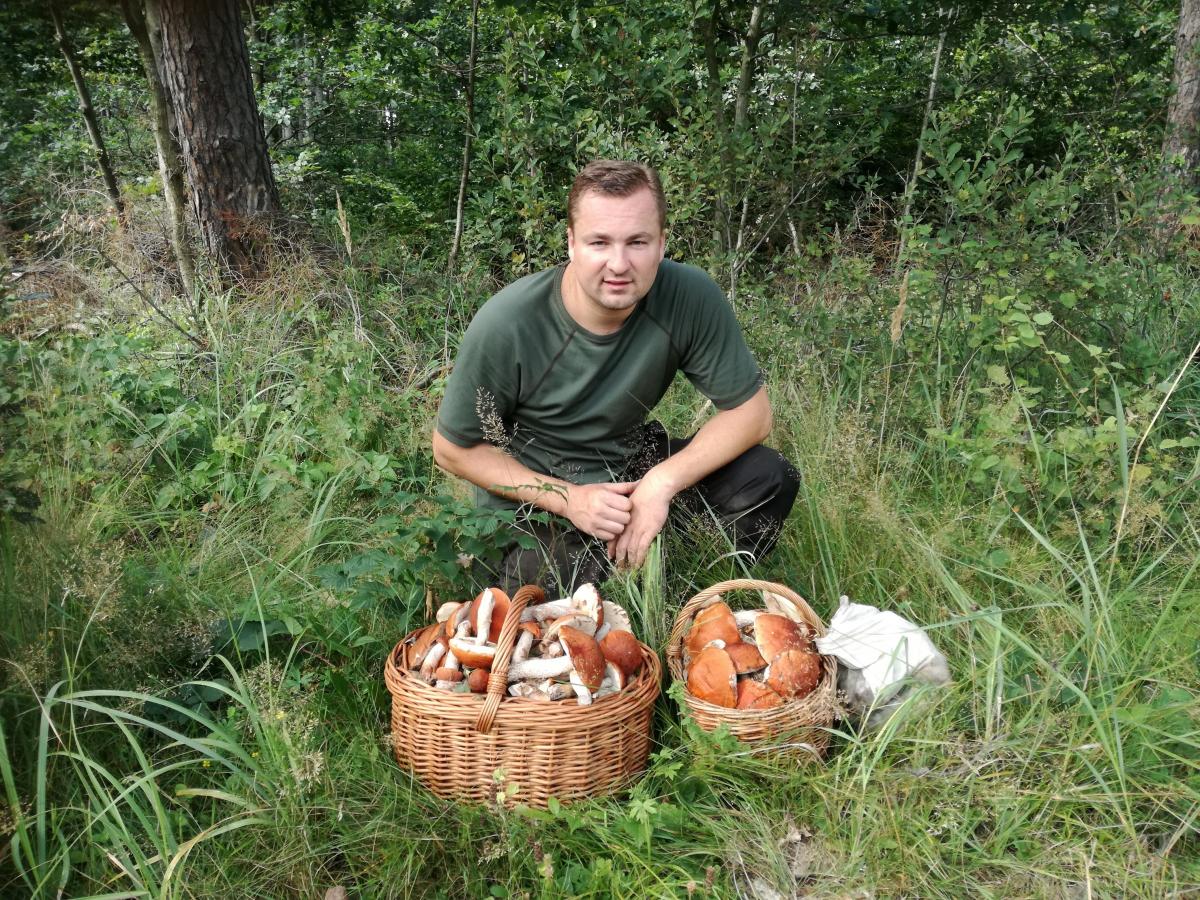
As the autumn foraging season approaches in Ukraine, experienced mushroom pickers have outlined key natural indicators to help gatherers locate productive spots in the forest. Thousands of Ukrainians are expected to head outdoors soon in search of wild chanterelles, porcini, and slippery jacks.
Pickers emphasize that safety is the most important rule for anyone gathering wild fungi. Experienced foragers advise following the principle that anyone who is uncertain about a specimen should leave it behind, noting that discarding an edible mushroom is far safer than accidentally picking a poisonous one. Beginners are advised to start by searching for species that lack deadly lookalikes, such as chanterelles, porcini, and hedgehog mushrooms. While a false chanterelle exists, experienced gatherers note it is not severely toxic.
Wild mushroom hunting is a popular seasonal tradition across Ukrainian woodlands, where mixed coniferous and deciduous forests offer fertile environments for wild fungi. Edible species grow rapidly when moisture and temperature conditions align in late August and September.
Best timing and soil moisture indicators
The best time to search for wild mushrooms is one to two days after rain, as fungi depend heavily on moisture. Gatherers suggest looking for forest edges near streams that are covered by a thick layer of fallen leaves or moss, which help retain water in the ground. Pressing a boot into the soil acts as a quick test: if water oozes out under pressure, an active mycelium network is likely present nearby.
Mycelium serves as the main underground structure of fungi, spreading through damp soil and organic matter before sending up visible mushrooms. Experienced gatherers also recommend monitoring weather forecasts, as many species, including chanterelles, begin emerging in large numbers when temperatures drop below 20 degrees Celsius. Growth halts when temperatures fall below 10 degrees Celsius during cold snaps, making the range between 10 and 20 degrees Celsius ideal for harvesting.
Trees, terrain and harvesting techniques
Advice published by the outlet Anne Of All Trades stresses that successful gatherers must learn to recognize different tree species, as many mushrooms grow alongside specific host trees. Chanterelles typically grow near beech, oak, pine, and spruce trees, while morels are commonly found near aspens. Birch trees attract porcini, and species such as birch boletes and aspen boletes explicitly reveal their preferred tree neighbors through their names.
Terrain features also help identify high-yield foraging areas. Experienced pickers recommend searching shaded, cool spots, such as the northern slopes of hills, as well as forest clearings, areas beneath power lines, and the edges of woodland roads. Once a picker finds a single mushroom, they should inspect the surrounding ground carefully, as fungi usually grow in interconnected colonies.


