

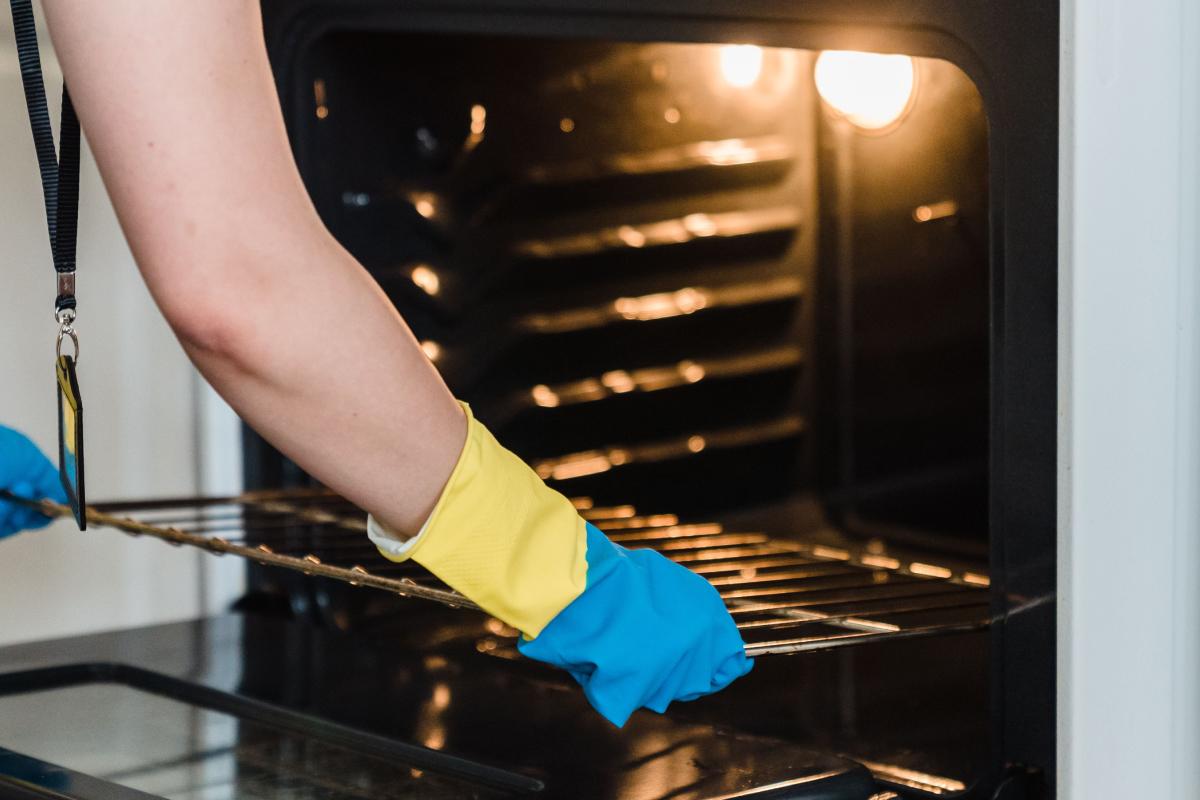
A traditional home cleaning method combining baking soda or baking powder with water can dissolve stubborn grease on glass oven doors before scrubbing begins, publication Bien reported.
The technique relies on a mild alkaline chemical reaction that breaks down the molecular structure of burnt fats, oils, and sugars. Unlike commercial chemical cleaners, neither baking soda nor baking powder contains aggressive solvents that could damage oven glass or leave strong chemical odours inside cooking spaces.
Kitchen oven doors frequently accumulate baked on grease when high temperatures carbonise cooking splatters onto the glass panel. When cold, these deposits adhere tightly to the surface, but an alkaline paste allows them to slide off using warm water and light friction.
Required cleaning ingredients and tools
Preparing the mixture requires two to three tablespoons of baking soda or baking powder mixed with just enough water to create a thick paste. Bien noted that matching the consistency of toothpaste is crucial, as a runny liquid will slide off vertical glass before taking effect.
In addition to baking soda or baking powder, the process requires a soft kitchen cloth or sponge, an old toothbrush to reach tight corners, and a paper towel for final polishing.
Application technique and timing
To begin cleaning, spread a thin layer of the paste over the interior side of the glass door. Special attention should be given to areas with the heaviest grease accumulation, which typically form along the lower third of the door and around its outer edges.
The mixture must remain on the glass for at least 15 to 25 minutes to absorb into the dirt and soften hardened deposits. For ovens that have not been cleaned in a long time, the paste can safely remain on the glass for up to half an hour without causing surface damage.
Toward the end of the waiting period, wipe the door using circular motions with a wet sponge or cloth. For stubborn spots around the edges, an old toothbrush can gently work the paste into buildup before the surface is wiped clean with a damp cloth.
Polishing the glass with a dry paper towel forms the final step of the process. Removing all residual soda particles is essential, as leftover paste can dry into dull, matte streaks across the transparent door.
Handling stubborn buildup and routine maintenance
Glass doors that have gone uncleaned for years may not clear completely after a single treatment. Bien advised against aggressive scrubbing or scraping, which creates microscopic scratches on the glass surface where future grease deposits can easily trap and harden.
Instead, applying a second layer of paste and letting it sit for several additional minutes yields better results with less effort. Once transparency is restored, maintaining the glass requires only a quick weekly wipe with warm water and dish detergent to prevent fresh fat layers from hardening.
The report follows earlier advice published by Ukrainian news agency UNIAN, which previously reported that two inexpensive household ingredients could restore yellowed pillowcases to a snow white condition.


