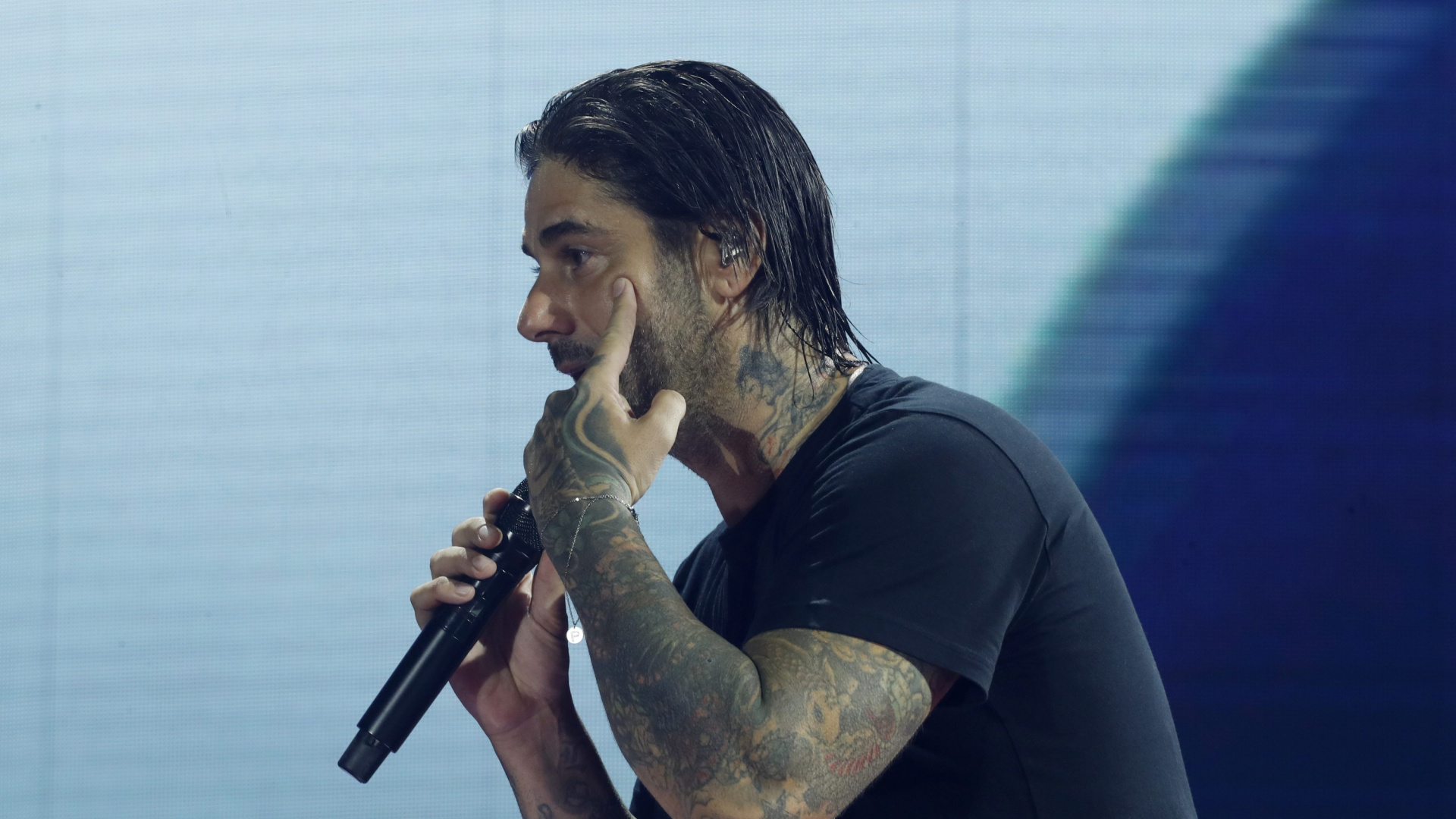


Spanish singer and composer Pablo López has revealed he survived a severe personal crisis during an intense period of touring, an experience that inspired a track on his upcoming studio album El cuatro.
The Málaga-born musician discussed the origin of the song Hibakusha in an interview published by Esquire magazine ahead of the album release on digital platforms on September 18, 2026. He explained that the piece reflects a previously undisclosed time in his life when he fell into a deep emotional low while maintaining a demanding performance schedule.

López is one of the most prominent figures in contemporary Spanish pop music, known for his piano-driven compositions and his role as a coach on the Spanish edition of the television talent show The Voice. The upcoming release of El cuatro, his fifth studio album, follows the prior release of single tracks including El niño del espacio and Esdrújula.
Atomic Bomb Parallel
In his comments to Esquire, López detailed how the song draws a direct parallel with the survivors of the 1945 atomic bombings of Hiroshima and Nagasaki. He said he first learned about the survivors, known in Japan as hibakusha, through a documentary that depicted how individuals survived at ground zero where only the shadows of others remained.
López noted that after the United States occupation of Japan ended, many hibakusha faced social rejection from their fellow citizens rather than support. He stated that people refused to marry them or associate with them, leaving many survivors unable to discuss their experiences, driving some to flee and others to die by suicide.
The atomic bomb strikes on Hiroshima and Nagasaki in August 1945 killed an estimated 140,000 people in Hiroshima and 74,000 in Nagasaki by the end of that year. Survivors faced long-term radiation effects and widespread social stigma in post-war Japan, where prejudice surrounding radiation sickness often limited their employment and marriage prospects.
Surviving Loneliness and Silence
Connecting that historical trauma to his own life, López acknowledged that he had never previously spoken about his darkest period. He explained that while traveling and performing heavily, he gradually slipped into a profound sadness without initially realizing what was happening to him.

López admitted that he came close to not emerging from that deep pit, noting that many people find it difficult to come out of such experiences unscathed. He said he drew the parallel in Hibakusha not out of fear of the past, but because surviving loneliness and silence is an ordeal that not everyone survives, adding that he considers himself fortunate to have saved himself by luck.
The singer expressed optimism about his future, stating that he now sees a clear and beautiful horizon ahead. He described the song as his personal testament to surviving quiet isolation during times of extreme professional activity.
Artistic Identity and Collaborations
López also reflected on his refusal to separate his identity as a performer from his daily life as an individual. He observed that both the artist and the person sleep in the same bed on the same side, maintaining that he remains the exact same person at all hours of the day.
In addition to discussing his own upcoming record, López addressed what it meant to write and produce an entire studio album for the legendary Spanish singer Raphael. Working with such an iconic figure in Spanish music history represented a major milestone in his compositional career.
Raphael, born Miguel Rafael Martos Sánchez, is an internationally acclaimed Spanish balladeer with a career spanning more than six decades. López's music, including tracks from El cuatro, continues to receive regular airplay on Spanish radio networks such as Cadena 100 as promo activities continue ahead of the September 18 release date.