

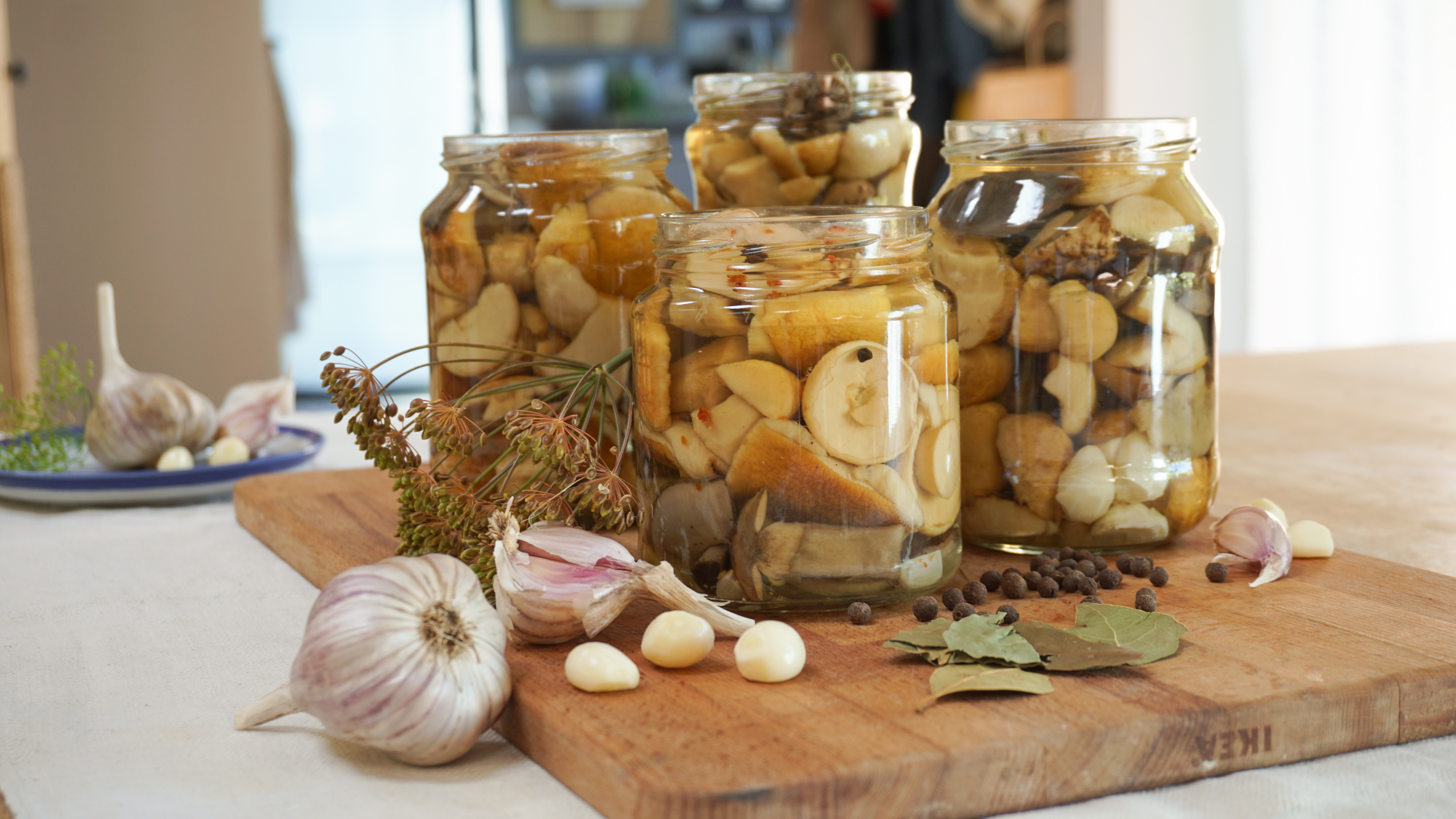
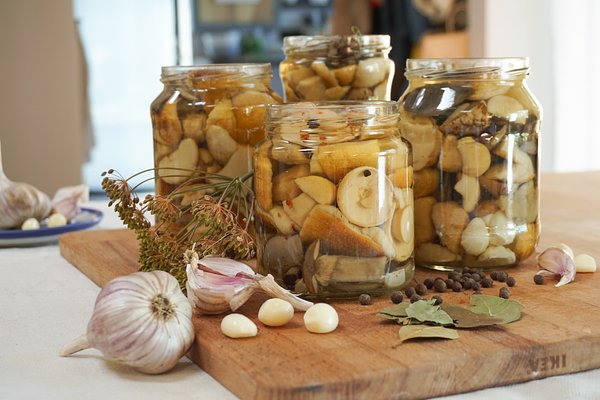
Lenta.ru editor Yulia Anasyan has published five pickled porcini mushroom recipes alongside safety guidelines from Rospotrebnadzor to prevent botulism during home canning.
Porcini mushrooms contain protein, fiber, microelements, and group B vitamins. Forest mushrooms also accumulate toxins from the soil, including pesticides and heavy metals, which makes proper culinary processing essential for health protection.
Porcini mushroom cleaning and preliminary boiling
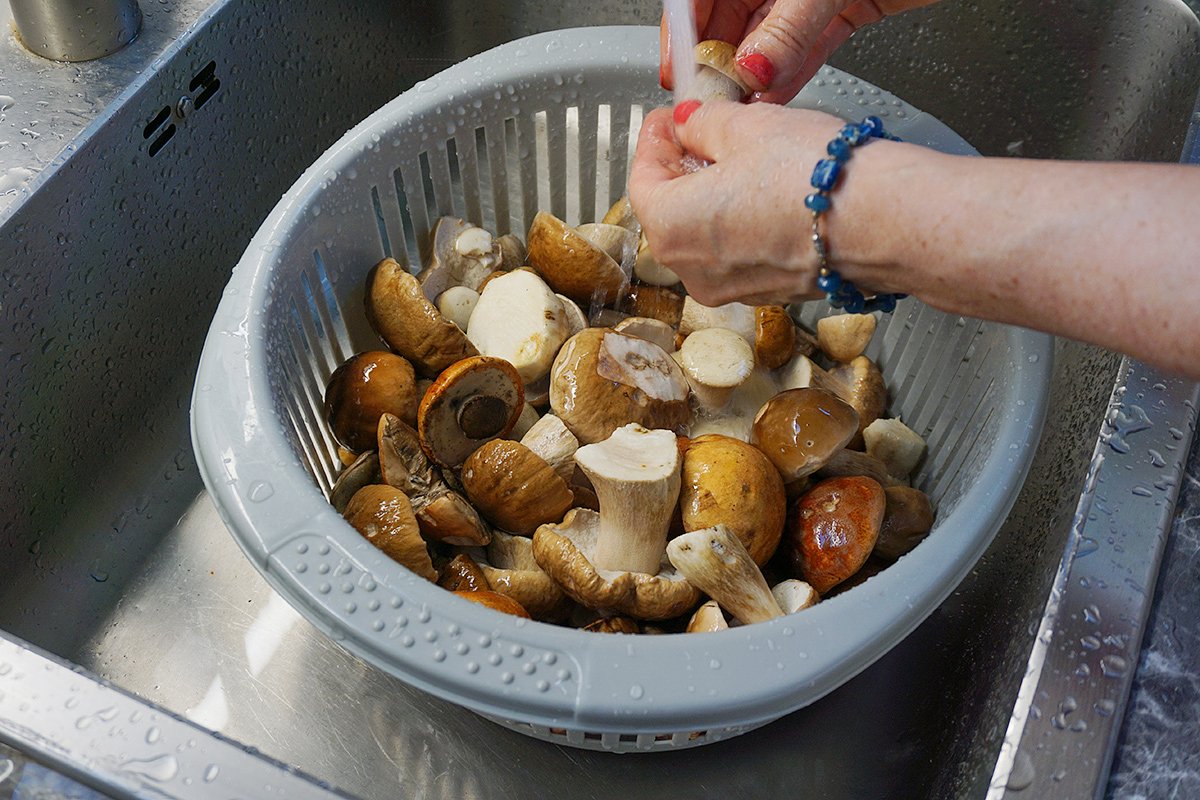
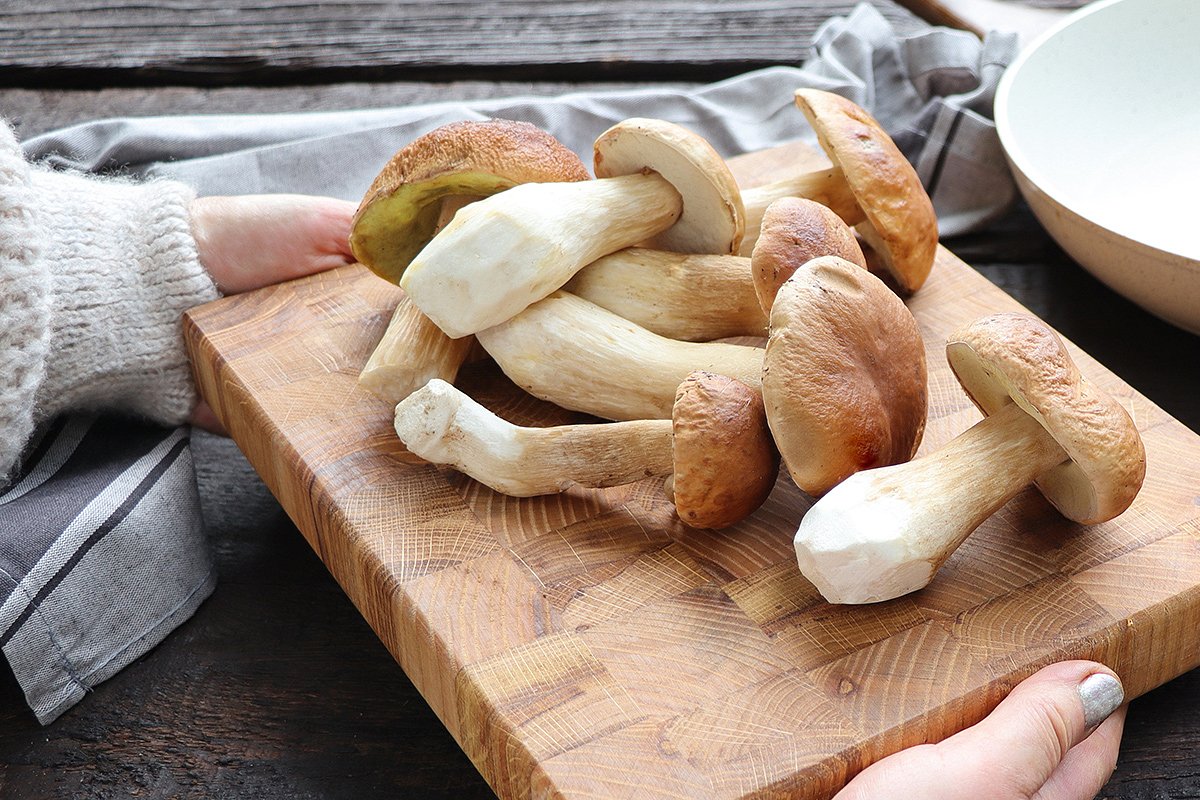
Preparation begins by removing forest debris such as pine needles, foliage, and soil. Cooks must trim the dirty tip at the bottom of the stem and scrape any darkened spots with a knife.
Mushrooms should be washed in cool water. Very dirty boletus mushrooms can be soaked briefly, but soaking must not exceed 10 to 15 minutes to prevent them from absorbing excess moisture.
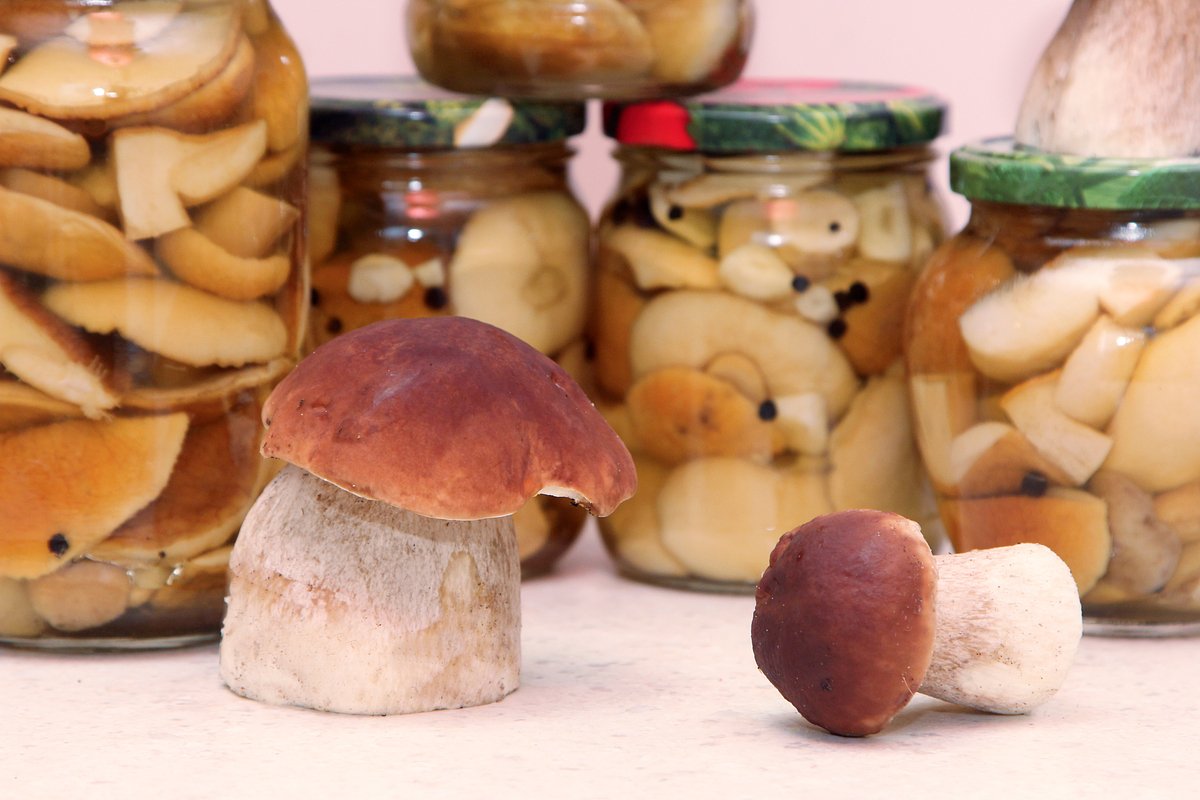
Large caps and stems should be cut into uniform pieces measuring roughly 2.5 to 3 centimeters. Smaller mushrooms can be left whole to maintain elasticity and visual appeal after heat treatment.
The cleaned mushrooms are placed into a large pot and covered with water so the liquid rests 3 to 4 centimeters above the product. The pot is brought to a boil over high heat, after which the flame is reduced and the mushrooms simmer for 20 to 25 minutes while foam is constantly skimmed off the top. The stove is then turned off, the water drained, and the mushrooms left in a colander until all liquid drains completely.
Botulism risks and jar sterilization
According to Rospotrebnadzor, failing to follow sterilization procedures or using insufficient acid can lead to the growth of Clostridium botulinum. This botulism-causing bacterium poses severe dangers in hermetically sealed glass jars.
Because the pathogen cannot develop in acidic environments, recipes must include vinegar or citric acid. When combined with proper container sterilization, acid creates conditions where bacteria cannot multiply. Rospotrebnadzor guidelines state that the vinegar amount specified in recipes must never be reduced.
Glass jars must first be washed with baking soda or laundry soap and rinsed thoroughly. Water measuring 2 to 3 centimeters deep is poured into a pot and set on the stove, fitted with a sterilizing rack or special nozzle. Once the water boils, clean jars are placed upside down over the steam for 10 to 15 minutes until the inner walls become hot and covered with condensation.
Hot jars are transferred with potholders onto a clean, dry towel upside down. They must be filled with hot ingredients immediately after sterilization without cooling down. Nylon lids are submerged in boiling water for 10 to 15 seconds, which sterilizes the material without warping its shape.
Classic pickled porcini mushroom recipe
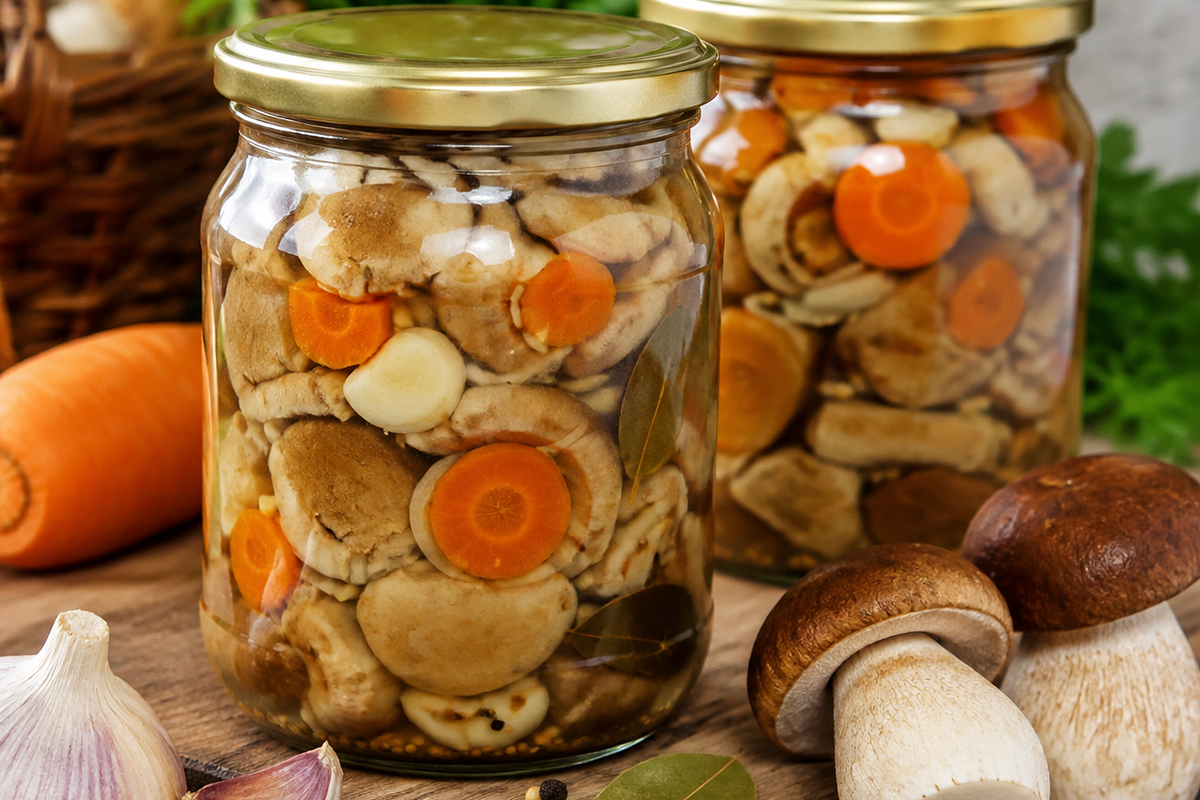
The classic recipe highlights the natural aroma of boletus mushrooms without extra flavoring ingredients. Selecting young, firm mushrooms with dense caps yields the best results.
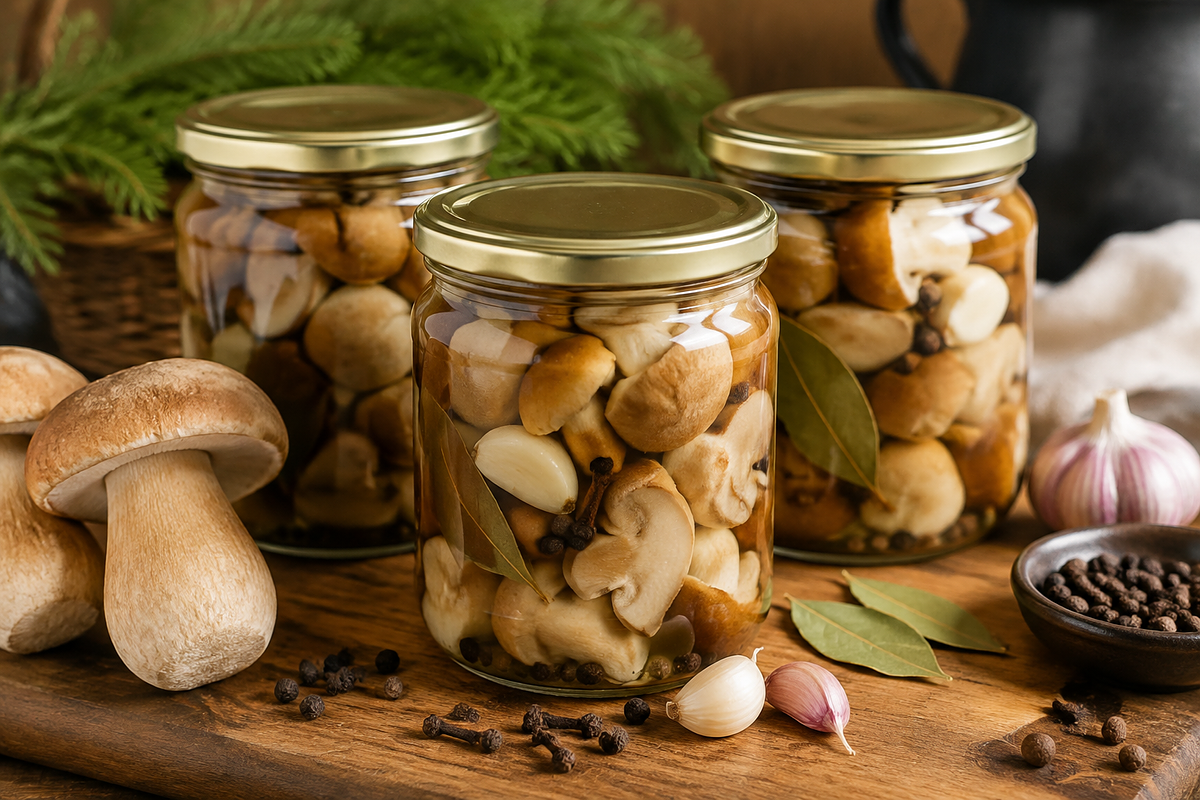
The ingredient list calls for one kilogram of fresh porcini mushrooms, one liter of drinking water for the marinade, two tablespoons of salt, one level tablespoon of sugar, 100 milliliters of 9 percent table vinegar, five to six garlic cloves, three to four bay leaves, six to seven allspice peppercorns, and optionally two dill umbrellas.
To prepare the marinade, one liter of drinking water is poured into a separate pot with salt, sugar, bay leaves, peppercorns, and peeled garlic cloves, with large cloves cut in half. The mixture is boiled for three to four minutes before vinegar is added, stirred, and taken off the heat. Boiled mushrooms fill pre-sterilized jars to about two-thirds of their volume before hot marinade is poured to cover them completely. The jars are capped, inverted upside down, and cooled at room temperature for 24 hours before moving to a refrigerator or cellar. The mushrooms fully absorb the marinade after five to seven days.
Carrot and onion porcini variation
Adding carrots introduces a sweetish note to the appetizer, while onions build a complex aroma. The firm texture of porcini mushrooms contrasts with the soft vegetables.
This variation requires one kilogram of fresh porcini, one medium carrot, one large onion head, one liter of drinking water, 1.5 tablespoons of salt, one tablespoon of sugar, 90 milliliters of 9 percent table vinegar, two bay leaves, three garlic cloves, and an optional teaspoon of mustard seeds.
Preparation starts by cutting the onion into rings and the carrot into round slices. One liter of drinking water is boiled with bay leaves, salt, sugar, halved garlic cloves, and mustard seeds for five minutes. Table vinegar is stirred in and heated for about 30 seconds before removing the pot from the stove. The mushrooms, carrots, and onions are layered into sterilized jars, covered with hot marinade, sealed with lids, and allowed to cool upside down for 24 hours. The dish is ready for consumption after one week.
Juniper and thyme porcini marinade
Juniper berries and thyme add coniferous and herbal notes, transforming porcini mushrooms into a refined pairing for bruschetta, meats, or aged cheeses.
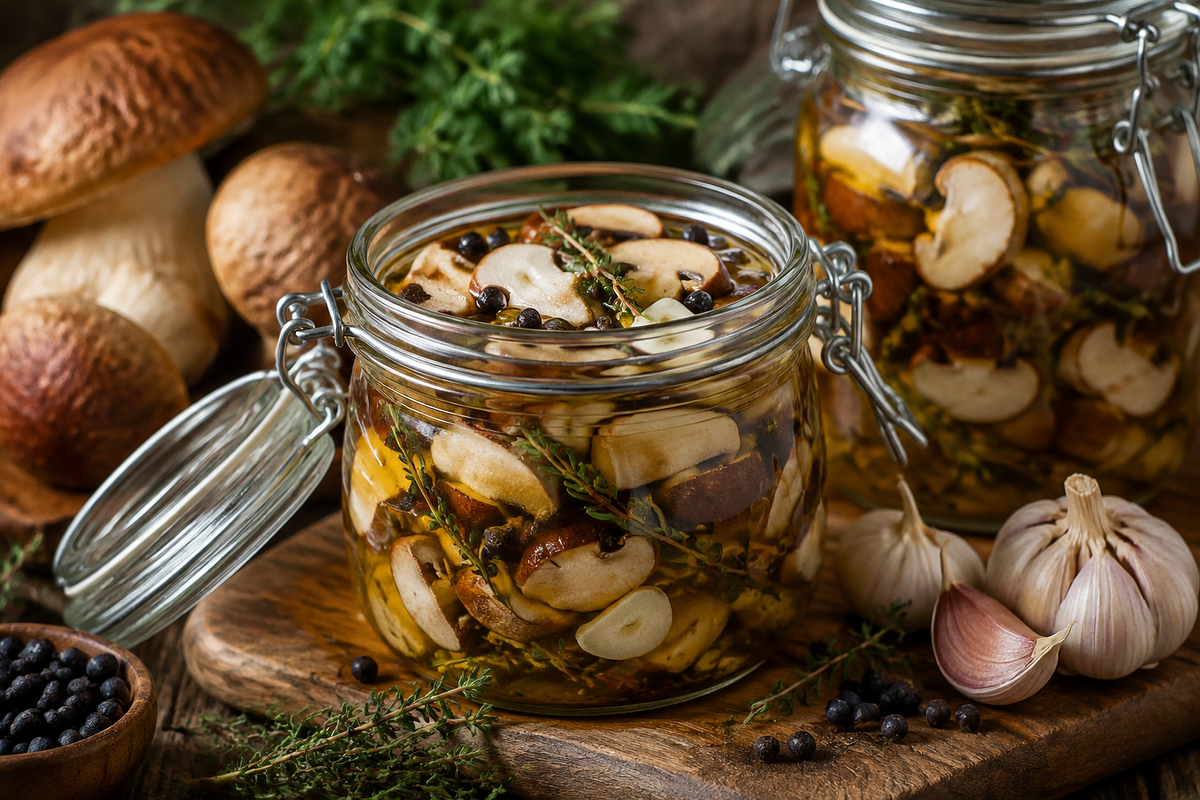
The recipe lists one kilogram of porcini, one heaping teaspoon of juniper berries, five to six fresh thyme sprigs or one teaspoon of dried thyme, one liter of water, two tablespoons of salt, 1.5 tablespoons of sugar, 120 milliliters of 6 percent white wine vinegar, four garlic cloves, five black peppercorns, and optionally two cloves.
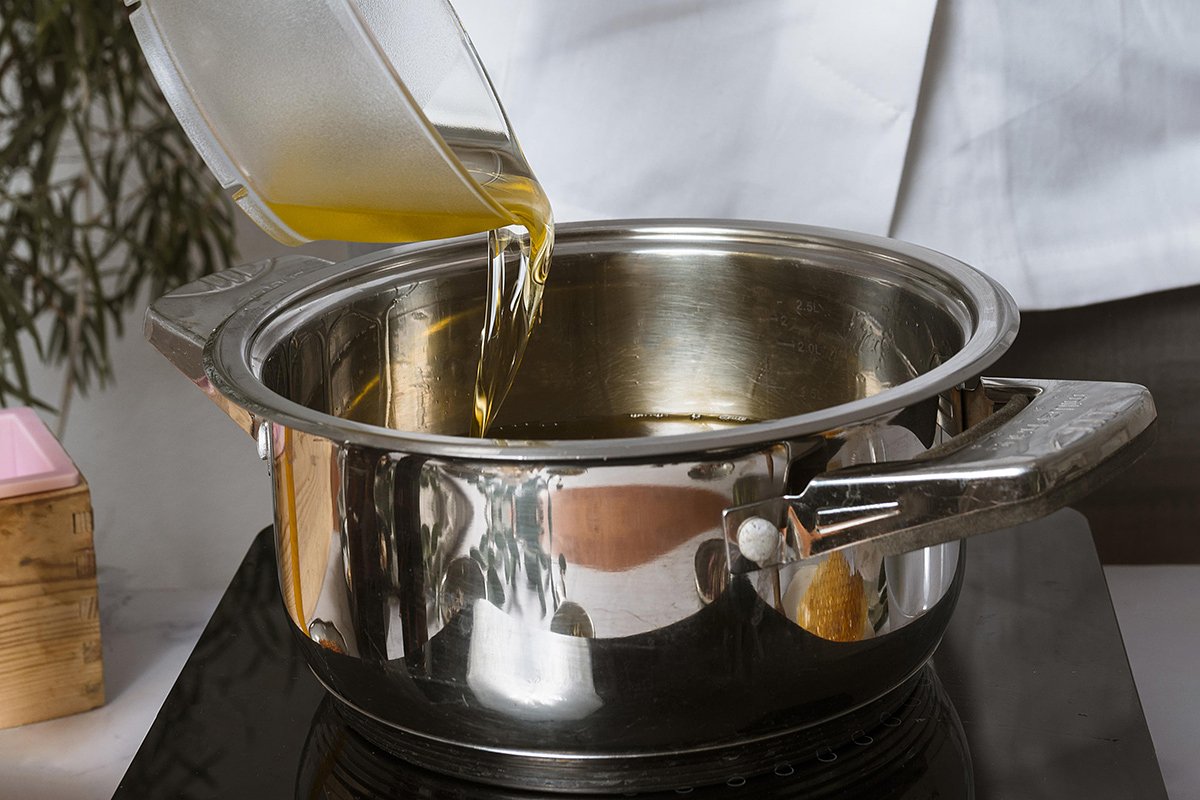
Water is boiled in a pot with salt, sugar, pepper, cloves, thyme, and juniper berries lightly crushed with the flat side of a knife. The marinade simmers on low heat for five minutes before taking it off the stove and adding white wine vinegar and thinly sliced garlic. Mushrooms are placed into sterilized jars, topped with fresh thyme sprigs if available, and filled with hot marinade containing the juniper berries. After capping, the jars are turned upside down for 24 hours and stored in a cold location for five days before opening.
Spicy clove porcini prescription
A spicy clove infusion provides a rich aroma for canned mushrooms, requiring simple pantry spices.
Ingredients include one kilogram of fresh porcini, one liter of water, two tablespoons of salt, one tablespoon of sugar, 100 milliliters of 9 percent table vinegar, three to four clove buds, six to eight black peppercorns, six allspice peppercorns, two to three bay leaves, and three garlic cloves.
Cooks combine water, salt, sugar, bay leaves, both peppercorn types, cloves, and peeled garlic in a pot, bringing it to a boil for five minutes. Vinegar is poured in, stirred, and removed from heat. Hot mushrooms are packed into sterilized jars, covered to the brim with boiling marinade, and immediately sealed. Jars are inverted, wrapped in a warm blanket until cooled completely at room temperature, and stored in a cool dark space for five to seven days.
Cinnamon porcini mushroom method
Cinnamon delivers a subtle sweet flavor that complements the natural forest fragrance of porcini mushrooms.
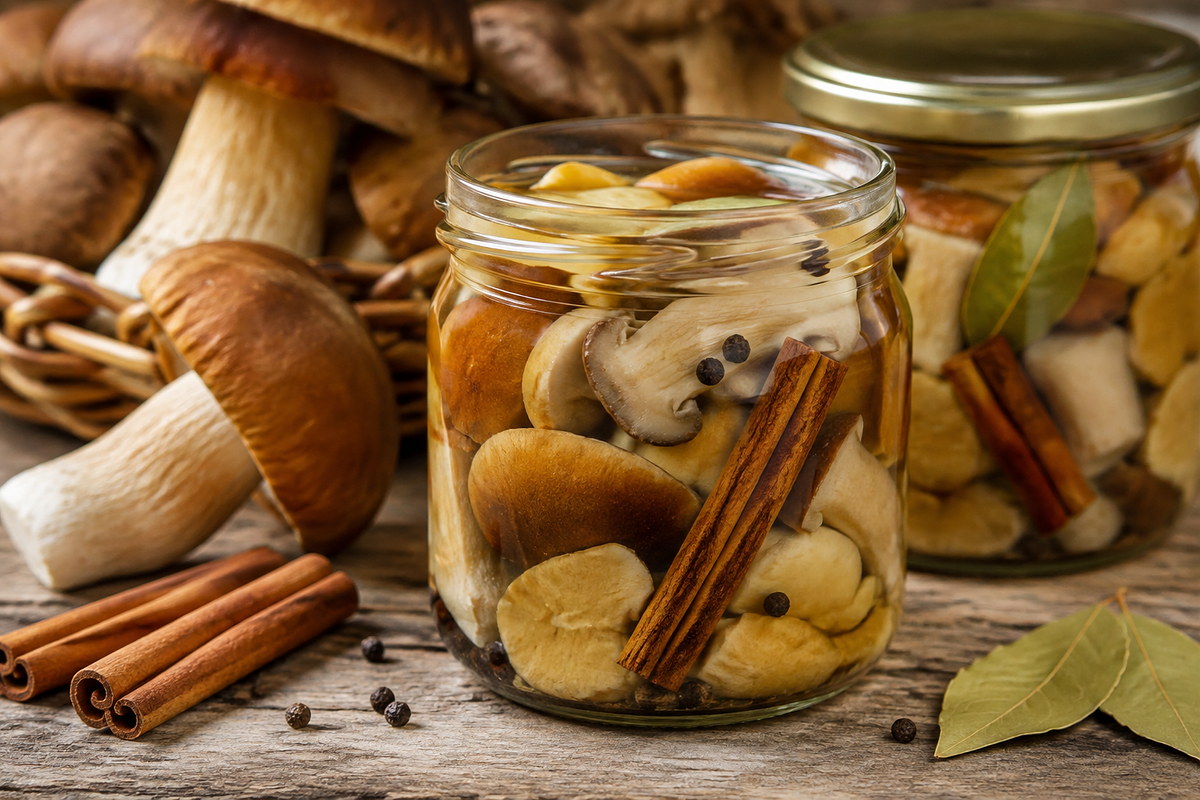
The recipe calls for one kilogram of fresh porcini, 1.2 liters of water, one tablespoon of salt, 25 grams or about one tablespoon of sugar, one tablespoon of 9 percent vinegar, two to three cinnamon sticks, five to seven black peppercorns, two to three bay leaves, and one tablespoon of vegetable oil per jar.
Water is brought to a boil with salt, sugar, and spices, boiling for five minutes before adding one tablespoon of vinegar. After removing from heat, mushrooms are arranged in sterilized jars, filled with hot marinade, and topped with one tablespoon of vegetable oil in each jar. The jars are sealed and stored in a pantry or cool space for five to seven days.
Marinade enhancement and storage rules
Vinegar should be added at the end of marinade cooking or after removal from the stove to minimize evaporation and retain targeted acidity. Non-iodized rock salt is recommended because iodine can impart a metallic taste and cause cloudy brine.
Before serving, pickled mushrooms can be drizzled with vegetable or olive oil and sprinkled with green onions or chopped fresh herbs.
Pickled porcini mushrooms must be stored in a refrigerator or cellar at temperatures between 0 and 6 degrees Celsius, preserving them for up to 12 months. Once a jar is opened, the mushrooms should be consumed within three to four days.


