

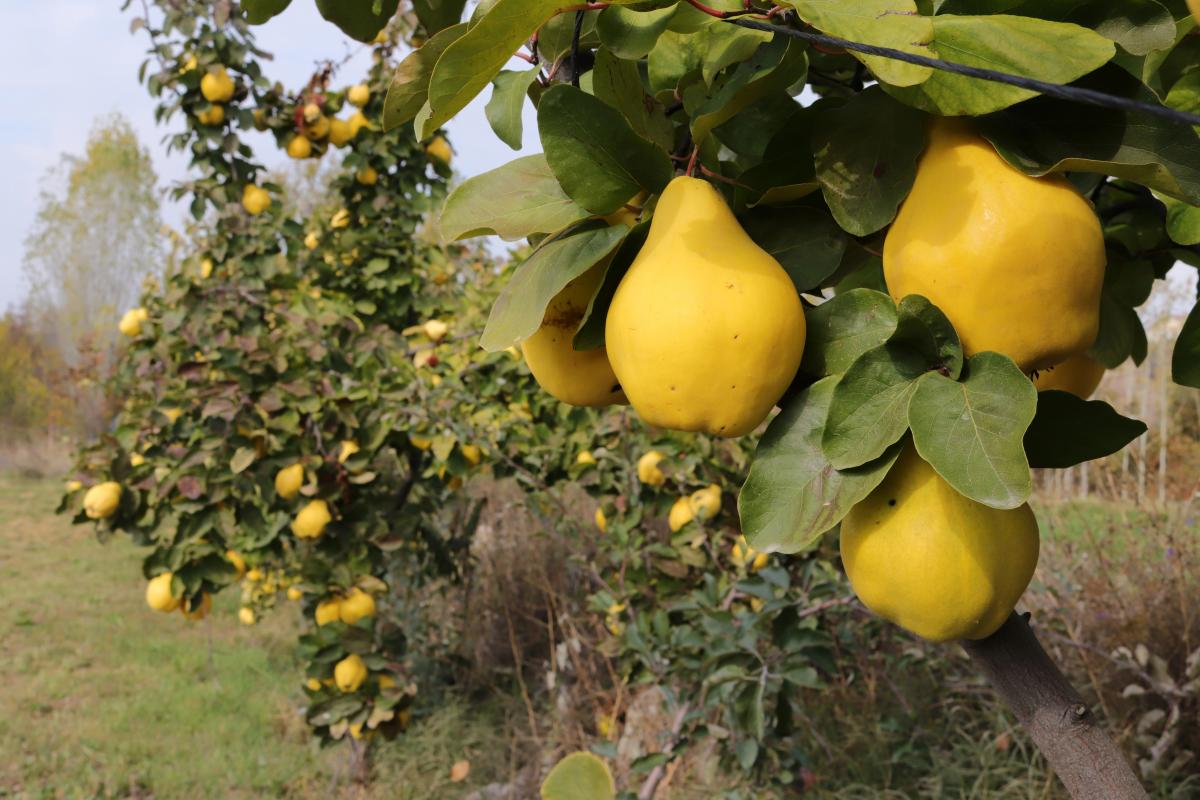
Quince harvest season has opened across Hungary, drawing eager market shoppers despite steep prices for the late autumn fruit and its traditional preserves.
In the south-eastern city of Békéscsaba, vendors are charging between 750 and 850 forints, or roughly 2 to 2.30 euros, for a single kilogram of large, smooth fruit, according to local news outlet Beol.
Smaller specimens with irregular shapes are selling at lower rates, offering an affordable option for shoppers looking to make homemade preserves. Despite the elevated cost, vendors report that buyers are purchasing the crop rapidly as the late harvest arrives on market stalls.
Processed sweets made from the fruit command significantly higher prices. Market stalls are selling 200-gram packages of finished quince marmalade for 1,800 forints, representing nearly 5 euros. Reporters from Beol noted that vendors are offering both the classic version of the dense preserve and an enriched variety prepared with walnuts.
Traditional preparation and household recipes
Crafting the traditional confection requires extensive preparation. Cooks wash, peel, boil, and puree the fruit before simmering the pulp with sugar into a thick mass. The mixture is then poured into shallow moulds and dried for several days until it sets into a firm, elastic block.
The resulting preserve, known across European culinary traditions as quince cheese or membrillo, pairs naturally with cheese boards and pastries, or can be eaten on its own. When dried thoroughly and kept in proper storage, the confection remains edible for long periods without spoiling. Popular household variations include flavourings such as chopped walnuts, cinnamon, or cloves.
Culinary uses and nutritional value
The primary culinary advantage of quince is its high natural pectin content, which allows cooks to produce thick jams, preserves, and clear jellies without commercial additives. Households also prepare stewed compotes, purees, and syrups, bottle the fruit for winter provisions, or roast it as a savoury accompaniment for meat dishes.
In some agricultural areas, distillers ferment the fruit into pálinka, the traditional Hungarian fruit brandy. Beyond its kitchen versatility, the fruit provides dietary fibre, vitamin C, and antioxidant plant compounds. The soluble fibre aids digestion, though Beol cautioned that consumers should moderate their intake of quince marmalade due to its heavy sugar content.
Aromatic fruit and household traditions
Because raw quince remains hard and astringent, it is almost exclusively consumed after boiling or baking. Traditional households historically found another purpose for the harvest outside the kitchen. Grandmothers frequently placed the freshly harvested, fragrant fruits on top of wardrobes and cupboards, allowing the natural autumn perfume to scent the entire home.


