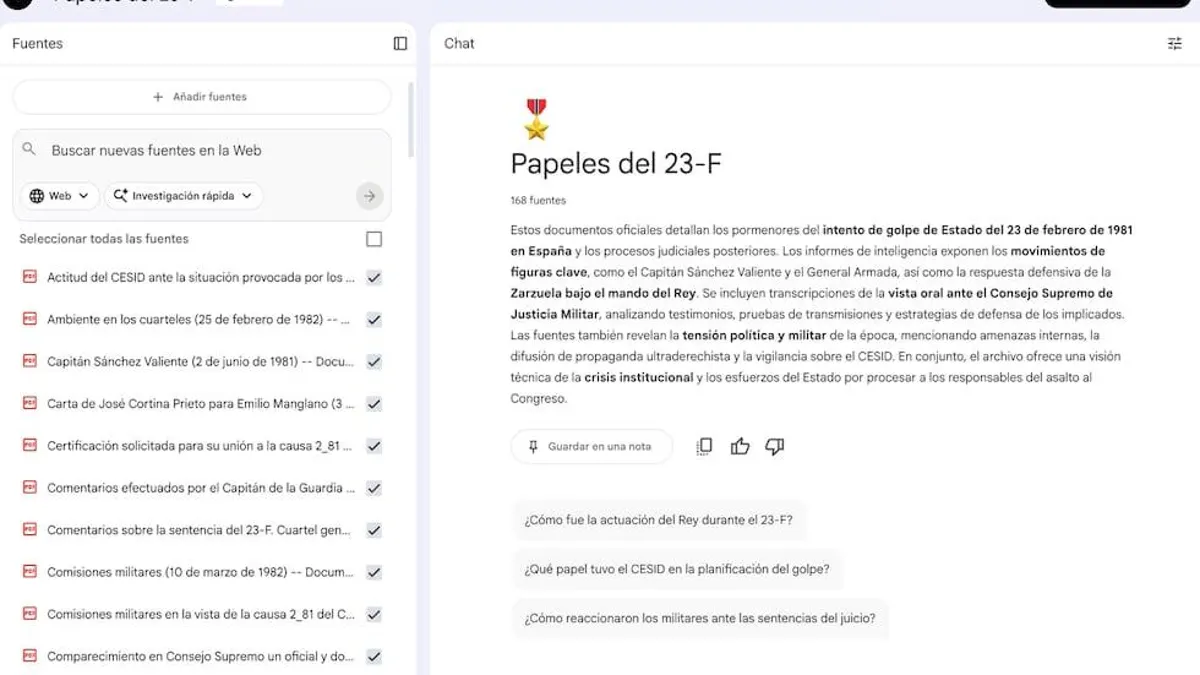
Corporacion de Radio y Television Espanola (RTVE), Spain's public broadcaster, has launched Contexta RTVE in Madrid, a generative artificial intelligence assistant that answers current affairs questions using its own news archive.
Officially unveiled on Friday, November 13, 2026, the tool is available free of charge in a beta version on RTVE.es. Citizens can access it from the main homepage or a dedicated assistant page to ask about news, events, and matters of public interest.
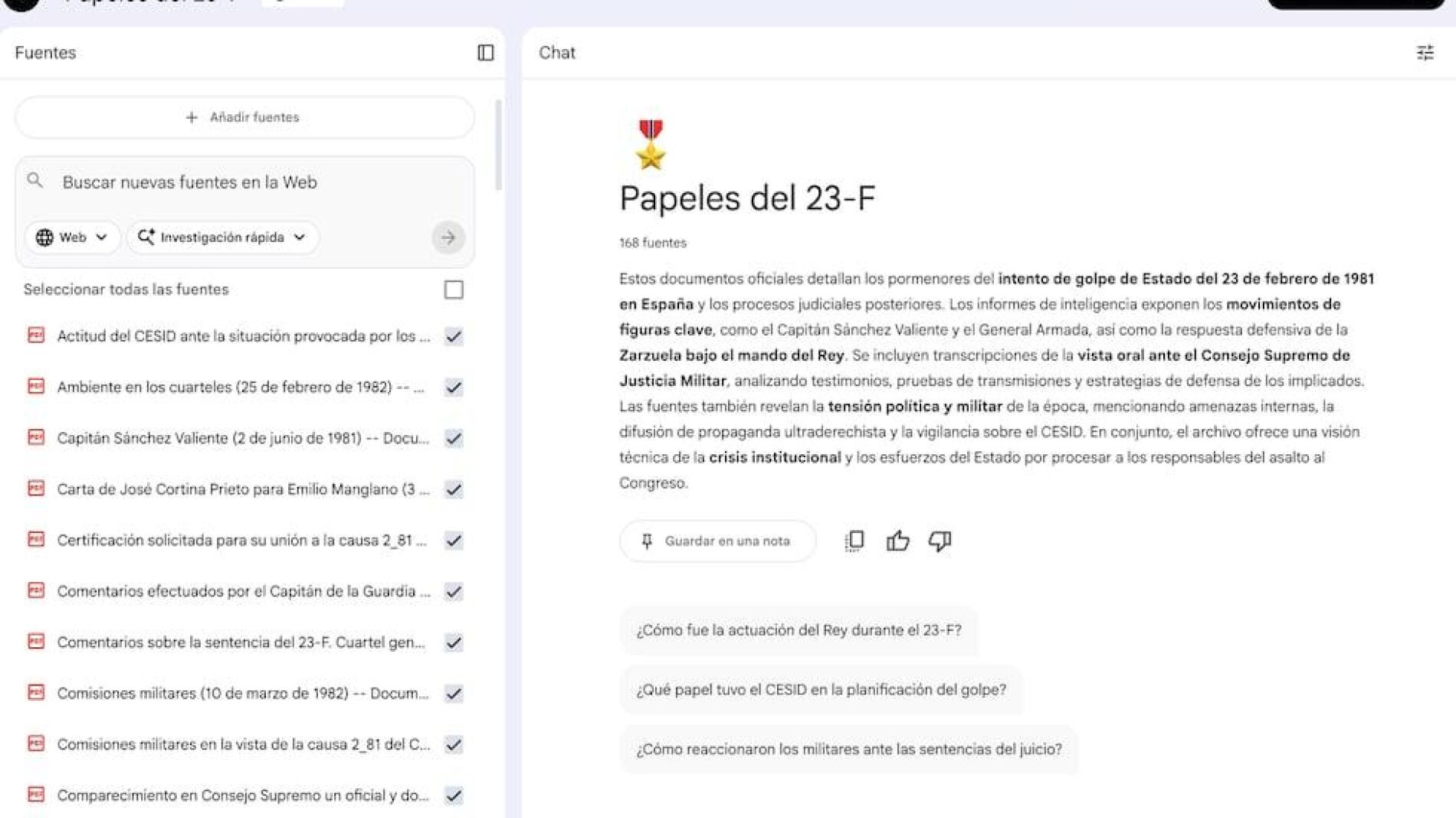
Unlike general-purpose AI chatbots that pull from multiple sources across the internet, Contexta RTVE builds its answers solely from reporting produced by RTVE journalists. By pairing generative AI with its newsroom output, the public corporation aims to let users explore the news through conversation rather than searching for and reading separate articles one by one.
The assistant helps users understand complex issues, retrieve background, and follow context on political, social, economic, and sporting events. Based in Madrid, RTVE operates Spain's state-owned public television channels, including La 1 and the 24 Horas news channel, alongside Radio Nacional de Espana and the RTVE.es digital portal.
How the RTVE news archive works
Contexta RTVE uses an archive of stories published on RTVE.es since 2015, spanning more than a decade of reporting from the news and sports sections. This database updates every hour, incorporating new articles to answer questions about recent events alongside historical background.
The tool works like other conversational assistants and requires no prior knowledge of artificial intelligence tools. Users simply type questions in natural language to receive tailored explanations without needing specific keywords or knowing the headlines of the stories in advance.
For example, a reader can ask about the causes of an international conflict, request background on a political decision, or check how an economic situation has developed. The system also supports ongoing conversations and follow-up questions linked to previous answers, letting users explore a topic progressively without starting a new search from scratch.
Search technology and source links
To provide these explanations, Contexta RTVE combines word-based search with language-processing systems that identify the meaning of queries. This allows the assistant to locate related news stories even when the user does not use the exact terms that appear in the published articles.
Once the search finishes, the tool selects up to four relevant news stories from the RTVE archive to build its response. From those articles, the artificial intelligence generates an explanation aimed at directly answering the question asked.
Transparency is a central element of the project. Every paragraph of an answer includes direct links to the original news stories used as sources so readers can verify facts and access the journalists' work. A section titled Para seguir entendiendo, meaning for further understanding, also suggests related RTVE articles so users can keep reading about the subject.
Safeguards against AI errors and beta testing
These source links aim to reduce a major flaw of generative AI systems: the risk of producing convincing answers containing inaccurate or fabricated details. RTVE also built in safeguards so that if Contexta cannot find enough suitable material to answer a question, it acknowledges that limitation rather than inventing an explanation.
Even so, RTVE warns that using only its own reporting does not guarantee every reply will be accurate or complete. The assistant depends on the coverage available in the archive and on its ability to locate, interpret, and summarise articles properly, and it can still make mistakes, misinterpret information, or give incomplete answers.
The corporation therefore stresses the importance of checking the original news stories whenever users need to verify data. Because of these limitations, the service has launched in an experimental beta phase during which RTVE will evaluate its performance and introduce improvements.
Five languages supported across Spain
Contexta RTVE can answer questions in five languages: Spanish (Castilian), Catalan, Galician, Basque, and Aranese. Users can submit queries and receive replies in all five languages even though the underlying news archive comes from RTVE.es, widening access across Spain's different territories.
According to RTVE, this feature supports its goal of developing accessible digital tools adapted to Spain's linguistic diversity. Castilian Spanish is official nationwide, while Catalan, Galician, Basque, and Aranese hold co-official status in their respective autonomous communities, and the public broadcaster has a statutory remit to serve all of Spain's linguistic regions.
User privacy and 90-day data retention
Regarding privacy and data handling, RTVE explains that questions asked, answers generated, and news stories consulted may be stored for 90 days. This retention period allows teams to analyse how the assistant operates, detect errors, and improve service quality.
Those records are linked to a random identifier that, according to the corporation, is not tied to the user's identity or IP address. However, RTVE advises users not to enter personal data or sensitive information in their conversations because supervisory teams may review some interactions.

The launch comes as news outlets explore artificial intelligence applications to meet changing search habits among users who increasingly ask conversational assistants direct questions about current events. With Contexta RTVE now entering its testing phase, the public broadcaster will evaluate the tool's usefulness, accuracy, and operation as part of its digital news strategy.
What happens next
Contexta RTVE is now undergoing an experimental beta trial during which RTVE teams will evaluate its accuracy, usefulness, and performance to introduce improvements. Anonymised user interactions from the testing phase may be stored for up to 90 days for analysis and error detection.
Test yourself
How far back does the RTVE.es news archive used by Contexta RTVE go?
How many relevant news articles does Contexta RTVE select to build each answer?
How long may RTVE store anonymised questions and answers to evaluate the assistant?
Have your say
Would you use an AI assistant from a news broadcaster to follow current affairs?
Where it happened
Madrid, Spain