


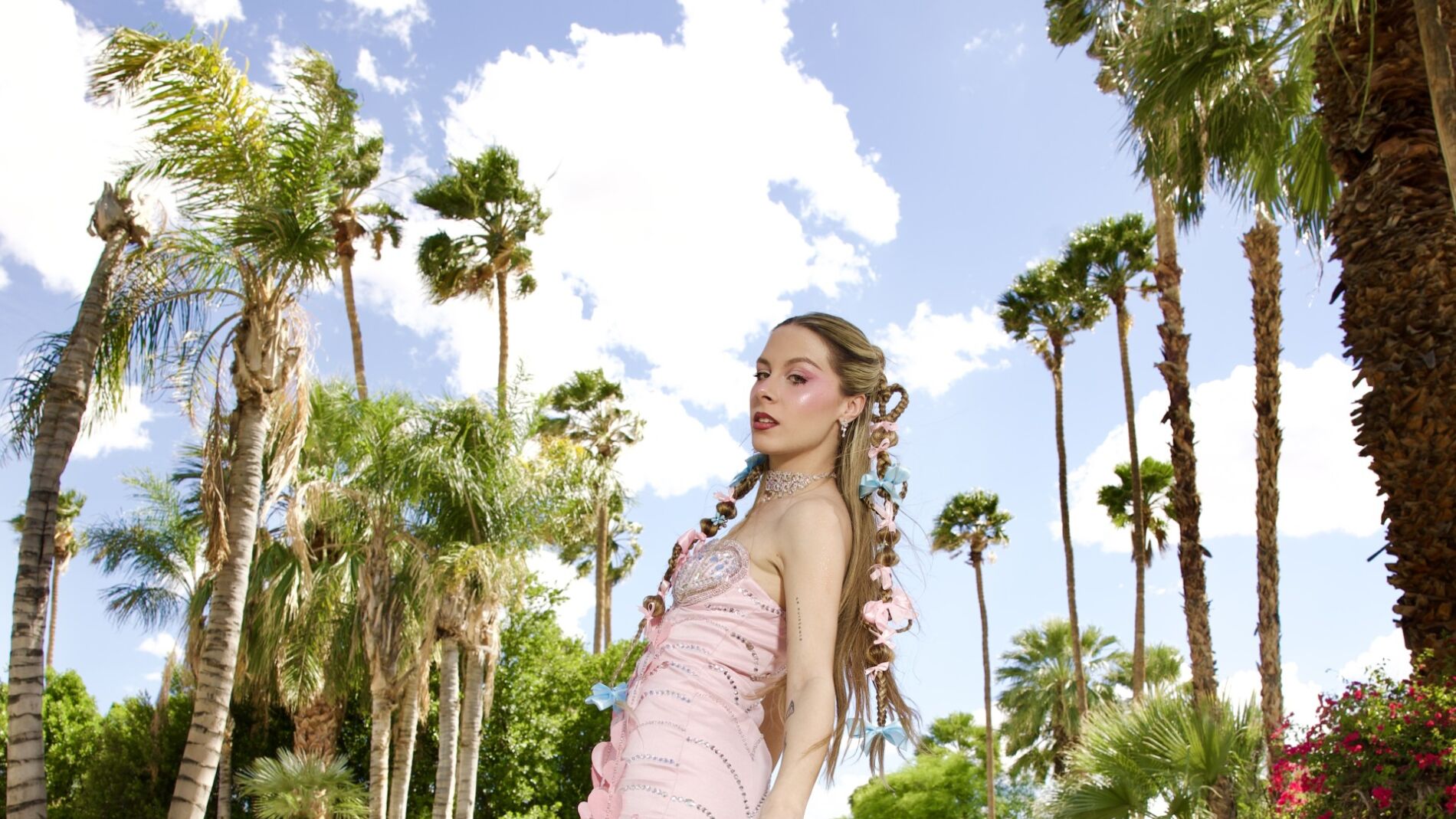
Spanish fashion designer and content creator Samantha Costantini says her online universe can be summed up in three words: fantasy, utopia and camp.
Costantini, known for her pink-toned aesthetic and elaborate styling, has built a following of millions since she began posting after finishing her fashion design degree. She said she had been fascinated by analysing runway shows and events such as the Met Gala, since they were moments when fashion left the everyday behind and became fantasy, spectacle and a way of telling stories. Social media, she said, became the perfect place to combine her studies with that passion for the most creative and exaggerated side of fashion.
Fashion inspired by objects, not just clothes
Costantini said her fashion ideas do not always start with a garment. Sometimes it is an object or a feeling, she said, pointing to a doll's shoe that once sent her searching for something similar for herself, or the silicone texture of a phone case that immediately made her want a raincoat with the same finish. She said her mind constantly makes those kinds of associations.
She named several references within fashion: John Galliano's work for Dior in the 2000s, for his ability to build fantasies; Daniel Roseberry's current work at Schiaparelli, for the way he reinterprets surrealism; and the textile experimentation of designer Iris van Herpen. She added that a slightly kitsch look, such as an older woman having an aperitif, could be just as inspiring, since any detail can become the starting point for an idea.
Reclaiming the colour pink
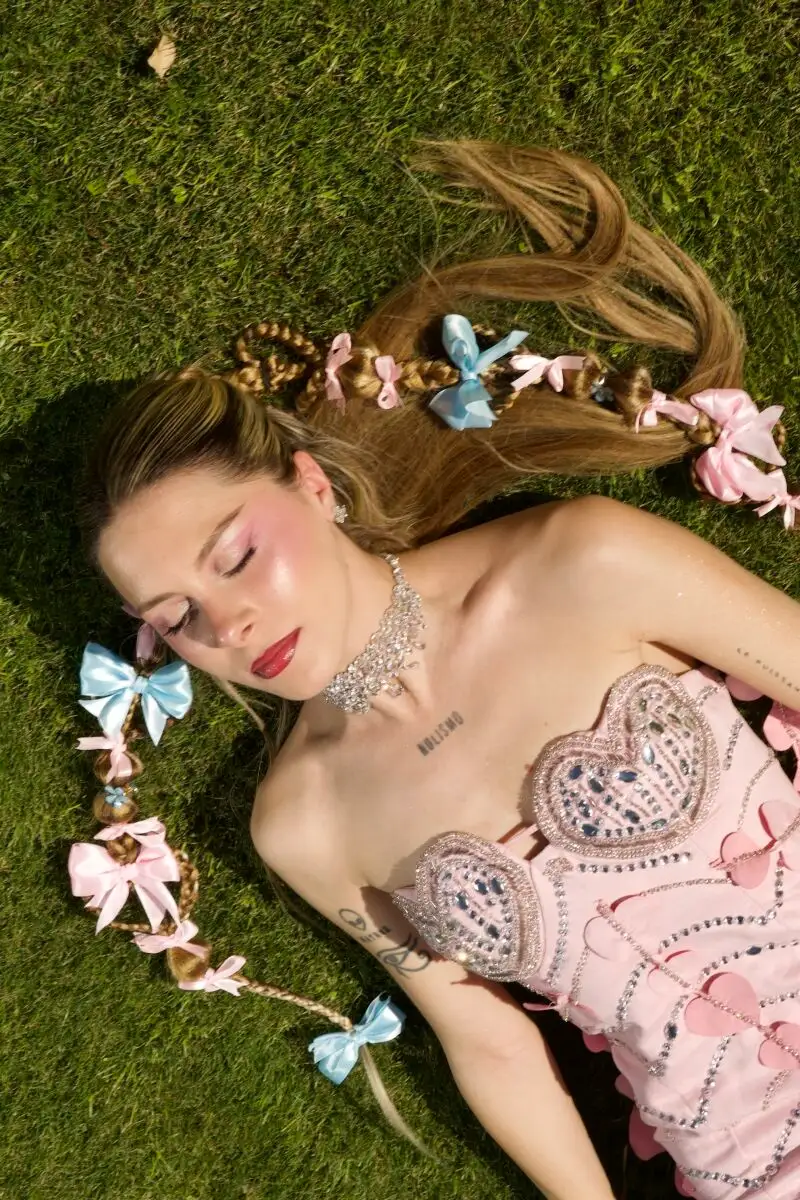
Asked what pink means to her, Costantini said the colour had long been surrounded by prejudice, associated with superficiality, naivety or frivolity because it was linked to femininity. She said she found it odd that a colour could generate so many judgments, which is why she likes to reclaim it. For her, she said, pink represents security and the freedom not to feel the need to harden herself in order to be taken seriously.
From Coco Chanel to a childhood behind the camera
Costantini said her passion for fashion and design began at 15, when she realised that, beyond selling clothes, major fashion houses worked under a creative direction capable of building a universe, telling stories through each collection and keeping a recognisable identity over time. One of the first figures who obsessed her, she said, was Coco Chanel, for the way she introduced codes into women's wardrobes that had previously belonged mainly to men's clothing. That was when she understood fashion was not superficial, she said, since it could reflect an era, question norms and transform how a person presents themselves to the world.
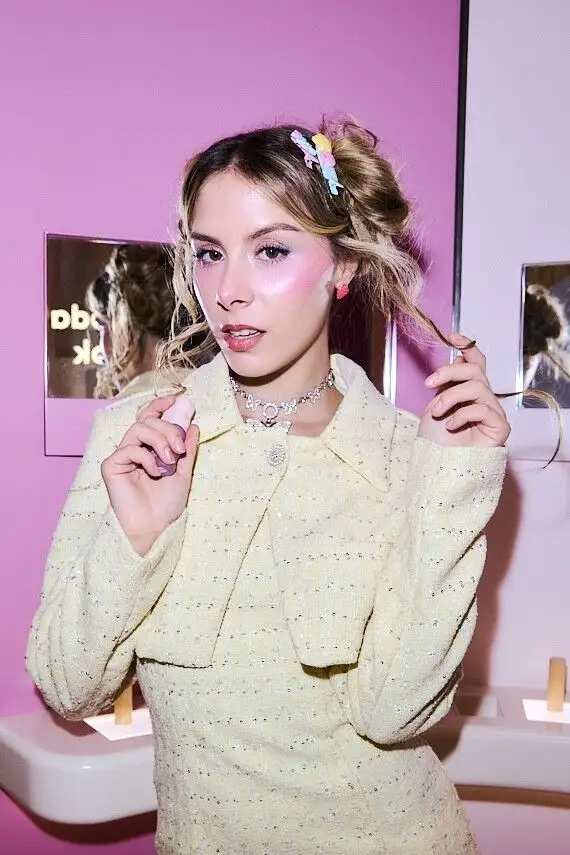
She also described herself as the artist of the family growing up, before she even knew what the word meant. She said she liked singing, staged her own performances and acted out scenes from her favourite films, and once said she wanted to study drama. Photography and video came later, after she was given a pink digital camera as a gift, which she said opened up an entire world for her. She said she taught herself Photoshop at nine years old without tutorials, simply by experimenting, and recorded stories using her Polly Pocket dolls, building sets, giving them voices, writing small scripts and editing the videos in Windows Movie Maker. She opened a blog at 11 and grew interested in writing, though mostly in fashion, organising small photo shoots with whatever clothes and resources she had. Looking back, she said, she finds it funny that she was already doing almost exactly what she does today: imagining a concept, building an aesthetic and finding a way to tell it.
Her happiest, most energetic self
Asked how much of the real Samantha appears online, Costantini said her social media profile is her happiest, most energetic and expressive version, since she is usually filming herself talking about things she likes or that excite her, and that energy comes out naturally. Away from social media, she said, there is a much calmer Samantha, whose favourite plan is staying home watching a series with her cats, Alfonso and Leonardo.
On originality online, Costantini said being original is not the hardest part. The real challenge, she said, is getting an algorithm to reward that originality and getting someone to stay long enough to understand it before scrolling past, since everything on social media competes to capture attention within seconds and anything different often needs more time to connect than something instantly recognisable. She said the true test is keeping her own voice without adapting it so much to the algorithm that it stops being hers.
Asked about a wardrobe staple, she said she loves shoes with a lot of flat platform, especially boots.
The 'kings of divineo'
Costantini and her partner, Tote Fernández, are one of the internet's most loved couples, often called "los reyes del divineo," roughly "the kings of fabulousness." She said they find the label fun because it fits their shared taste for fashion and baroque decoration, always reinterpreted their own way.
Judged for standing out
Costantini said that although their aesthetic may break stereotypes for some people, that has never been a conscious intention. She said they simply enjoy experimenting, having fun and expressing themselves through style, both individually and as a couple. Anyone who steps outside what is established ends up being judged, she said, and fashion is one of the most visible ways of doing so, something she said they are used to and do not take too seriously.
She said the judgment began long before social media, from the time she was a preadolescent experimenting with eye makeup or her clothing choices, when someone always had an opinion. Fashion has a particular sense of humour, she said: what draws mockery at first often becomes a trend a few years later. She recalled buying leopard-print creepers with red patent platform soles at 14, shoes she still owns, which were considered "weird" at the time before flat platforms and animal print became widespread. She said the same happened with high-waisted trousers: when she bought her first pair in 2011, people told her they looked "like a clown" because they reached "up to the armpit," and today many people do not want to go back to low-rise.
Staying private despite the cameras
Asked whether it has been difficult to build a deep, real relationship while sharing so much of their daily life online, Costantini said they actually do not share that much of their day-to-day life and are not sure they will move in that direction. She said their videos take an average of eight to ten hours to make, since they like their content to have a certain level of production and creative editing, which would make documenting their daily routine unsustainable in their style. Outside of that, she said, they are fairly private and make many plans privately that are not even reflected in Instagram Stories.
Nostalgia for a future that never came
Asked about her generation's ambitions as a member of Generation Z, Costantini said her generation grew up comparing the future it was promised with a much more uncertain reality. She said that may be why they live with such nostalgia for an era that, in reality, never existed, taking refuge in trends from two decades ago because they represented an idea of the future that seemed exciting and optimistic. She said she finds it curious that a generation so oriented toward the future finds so much comfort in looking backward, adding that it says a lot about how they imagine the world to come and how they would like it to be.


