

Gardeners preparing for the autumn transition in September 2026 must balance late crop harvesting with soil preparation according to the latest lunar sowing calendar. The monthly schedule outlines optimal windows for planting, soil maintenance, and orchard care before the arrival of autumn frosts.
The lunar calendar organizes September into distinct periods based on celestial cycles, establishing key dates for planting as well as times when garden work should be restricted. A new moon occurs on September 11, followed by the first quarter on September 18, and a full moon on September 26.
Traditional lunar sowing calendars evaluate both the phase of the Moon and the corresponding Zodiac sign to guide agricultural tasks. Practitioners observe these cycles under the principle that gravitational pull and lunar light influence soil moisture and plant development.
Under these guidelines, a waxing moon is considered the most favorable period for sowing and planting crops. Conversely, a waning moon is reserved primarily for harvesting, pruning, weeding, and working the soil, while plant manipulation should be strictly limited during both the new moon and full moon phases.
The calendar also categorizes Zodiac signs by their fertility levels. Taurus, Cancer, Scorpio, and Pisces are ranked as the most fertile signs, whereas Libra and Capricorn represent intermediate fertility. Aries, Gemini, Leo, Virgo, Sagittarius, and Aquarius are classified as infertile signs.
Favorable and Unfavorable Planting Dates
For September 2026, the calendar identifies favorable garden dates as September 5 to 6, September 14 to 16, September 24 to 25, and September 29 to 30. Gardeners are advised to focus active sowing and planting within these specific windows.
Neutral dates fall on September 1 to 2, September 7 to 13, and September 19 to 20. While urgent planting can take place on neutral days, these dates are better suited for routine maintenance tasks such as weeding, soil loosening, bed preparation, and general cleanup.
Unfavorable dates occur on September 3 to 4, September 17 to 18, September 21 to 23, and September 26 to 28. Gardeners should avoid any planting or transplanting during these periods to prevent unnecessary strain on plants.
Harvesting and Vegetable Bed Preparation
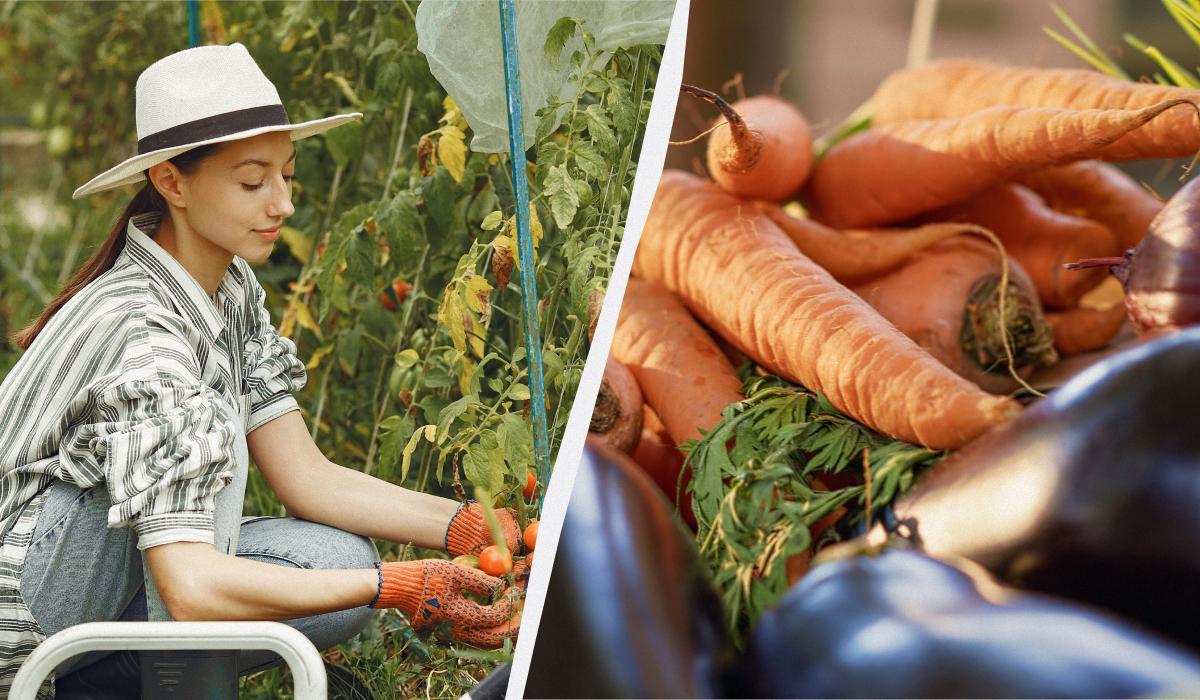
At the start of September, gardeners are urged to gather all mature crops to prevent damage from early autumn frosts. This harvest priority applies to late tomatoes, potatoes, carrots, beets, and other root vegetables, with fruit maturity taking precedence over lunar alignment.
Once beds are cleared, all remaining plant debris and weeds must be removed. Healthy plant tops and haulm can be added to compost heaps, but any plant material displaying signs of disease must be discarded immediately to prevent pathogen spread.
Following bed clearance, the soil should be dug over or carefully loosened. Organic fertilizers can then be incorporated into the soil where necessary to replenish nutrients depleted by summer crops.
Vacant beds benefit from sowing green manure crops such as mustard, phacelia, or rye in accordance with favorable calendar dates. These cover crops help protect bare soil from erosion, suppress weed growth, and naturally enrich soil fertility over the winter months.
Preparations for planting winter garlic should begin toward the second half of September. Garlic cloves must be planted two to three weeks before permanent freezing temperatures arrive, allowing roots to establish securely without triggering premature top growth.
Orchard Maintenance and Winterizing
In fruit orchards, maintenance involves collecting fallen fruit and removing dry or broken branches. Trees should also be thoroughly inspected for pests and signs of disease before winter sets in.
After fruit trees finish bearing, gardeners should apply post-harvest fertilizer to support root health. In addition, heat-loving perennial plants require gradual preparation to survive cold winter conditions.
Guidance on seasonal watering schedules for autumn gardens and orchards was previously published to assist growers with end of season hydration requirements.


