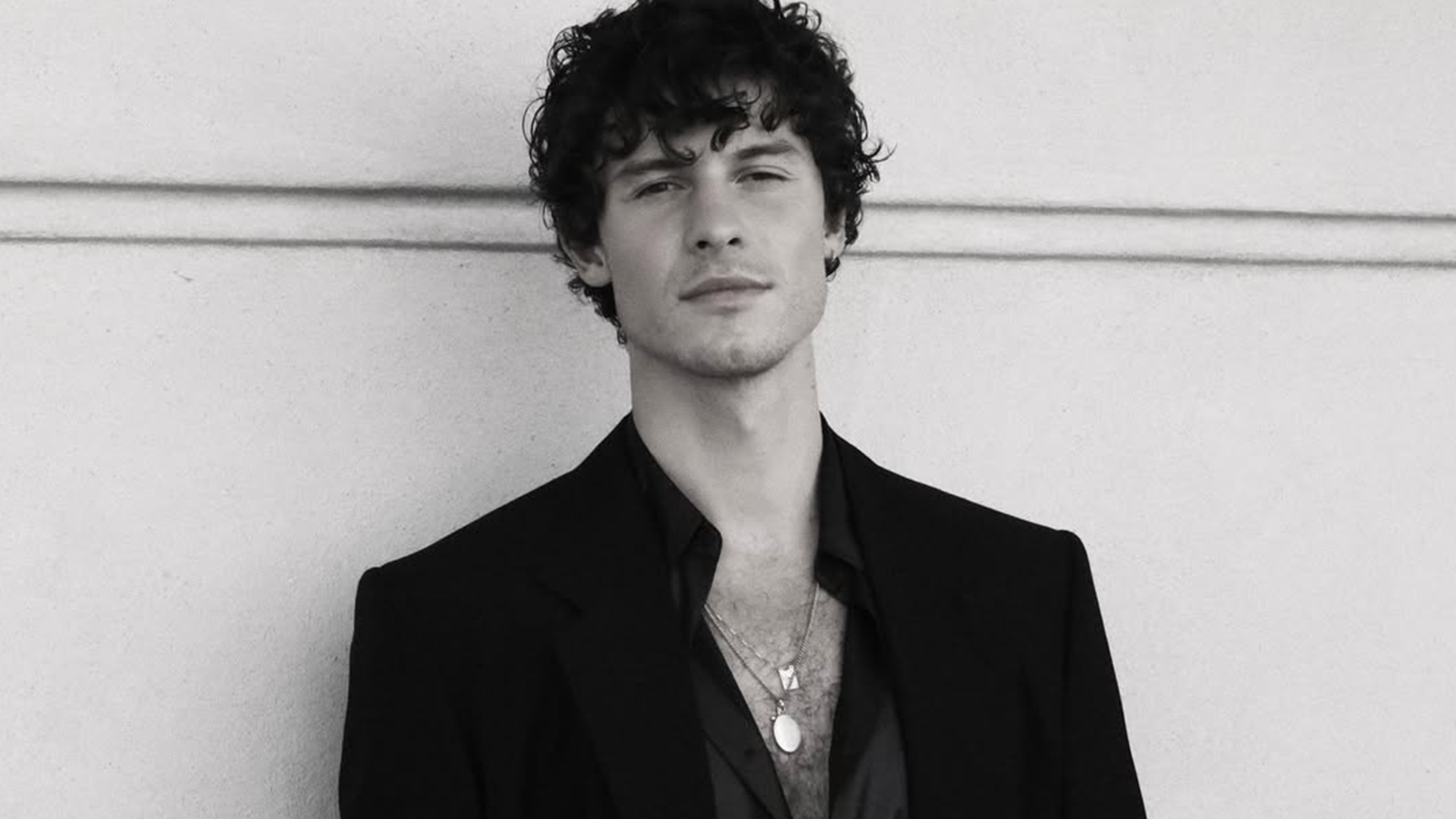
Shawn Mendes, the Canadian singer, posted a lengthy statement on his social media accounts about the situation in Gaza, calling for freedom for Palestine and describing what is happening there as genocide. Mendes has more than 68 million followers across his platforms.
In the post, Mendes said he had spent time researching the situation in depth to understand how his influence could make a difference. He departed sharply from the image fans are used to seeing from him, choosing instead to address a geopolitical conflict directly.
The singer listed charities he has personally donated to and encouraged his followers to do the same. He named the Palestine Children's Relief Fund, the film distribution company Watermelon Pictures, and the Woven Futures Fund as organisations he had supported.
Mendes said children and families in the region have suffered disproportionately for too long, and that staying passive was not an option for him. He closed the statement with a list of calls to action: donate, educate, encourage, challenge, demand accountability and vote.
A direct appeal to fellow musicians
Beyond addressing his fans, Mendes also directed part of his message at the music industry itself. He is a global pop star best known for hits including "Stitches," and his open letter acknowledged how much of a taboo it remains for artists to speak out on conflicts of this scale.
Mendes admitted he felt real fear about raising his voice and described feeling anxious as he wrote the statement. Even so, he said his goal was to break through that silence, and he asked his friends and fellow artists to find the courage within themselves to join the wave of public awareness he was hoping to build.
The appeal lands at a moment of sharp division within the music industry over the issue. Until now, only a handful of high-profile figures, among them the rapper Macklemore, had taken as firm and public a stance. Macklemore experienced the consequences of that activism firsthand, after several venues refused to host concerts on his recent tour once his support for the Palestinian cause became known.
It is that climate of commercial fear, which has kept many artists quiet, that made Mendes's decision to speak out stand out, as he chose to put his own empathy ahead of any possible damage to his career.
An immediate and divided reaction
The response to the post was swift. Within hours, it had drawn millions of interactions and sparked heated debate online.
A large majority of Mendes's fans praised his maturity, welcoming the fact that he used his huge platform to draw attention to the suffering of others. Many commented on how much he has changed, noting that the teenager who shot to fame with number one hits such as "Stitches" has grown into an adult willing to speak out and push for real change.
The statement also drew criticism from other quarters. The organisation Creative Community for Peace issued a statement rebuking Mendes for his use of the word "genocide," calling his comments irresponsible given the scale of his public influence and calling on him to show more caution and provide greater historical context.
Despite the institutional criticism, the source notes that Mendes appears to have achieved what he set out to do: stirring public conversation, challenging the entertainment industry's reluctance to engage with the issue, and helping normalise public support for people living under occupation.