

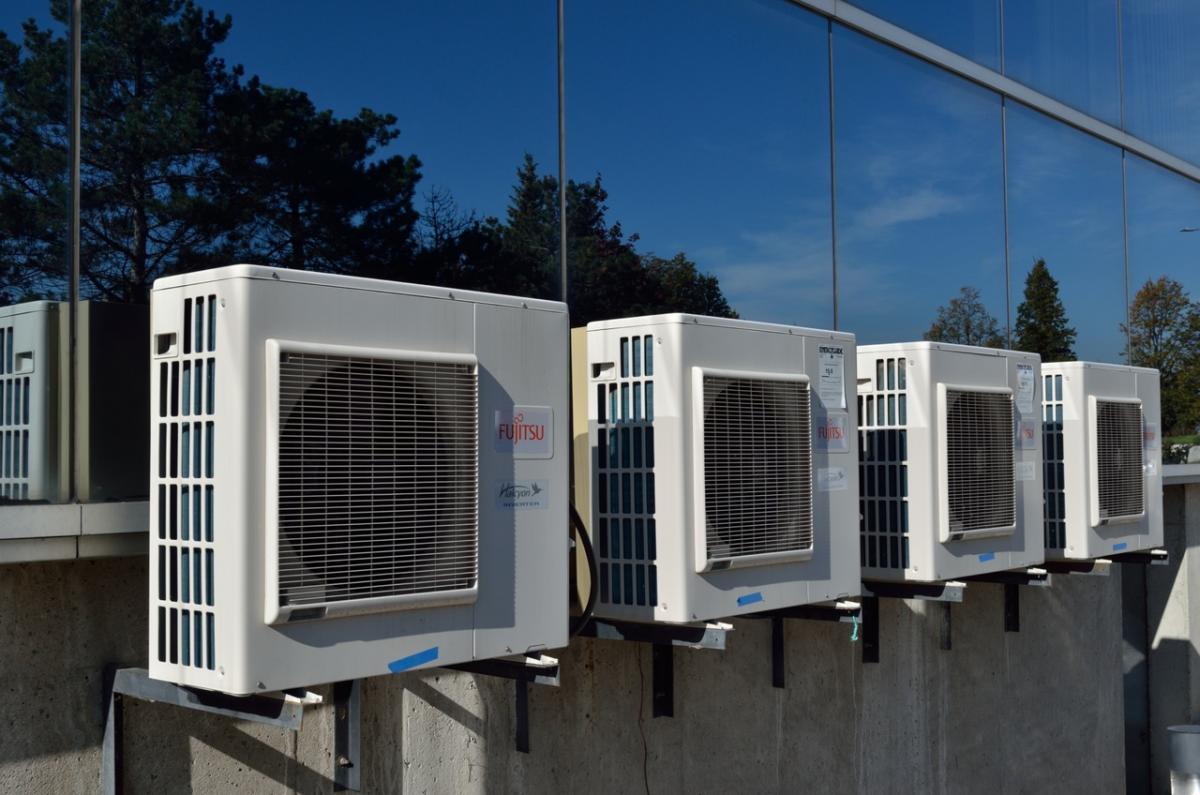
Shading the outdoor unit of an air conditioner is a popular idea for cutting energy costs in hot weather, but specialists in climate control maintenance say the benefits are largely overstated, according to The Spruce.
Experts said shading an outdoor unit might improve system efficiency by only around 2 to 4 percent. In most cases, they said, the improvement is barely noticeable in practice, even though shade can theoretically reduce how much the unit heats up compared to sitting in direct sunlight.
Window air conditioner units see the same modest potential gain of around 2 to 4 percent. Specialists said homeowners who want meaningfully better performance should consider alternatives such as ductless mini-split systems instead.
Why Airflow Comes First
Experts stressed that proper air circulation remains the most important factor in how well an air conditioner performs. A poorly placed shade structure can block airflow or cause the hot air the unit is trying to expel to recirculate back into the system, forcing the unit to work harder and potentially leading to faster wear and expensive repairs.
The outdoor unit expels heat drawn from inside the home. Hot air exits from the top, while cooler air enters through the sides, so the space around the unit should stay as open as possible.
What Actually Helps
Specialists noted that direct sunlight hitting the metal casing of an outdoor unit has almost no effect on performance. If a unit already sits in natural shade from a tall tree and airflow is not restricted, that shade does no harm and may even offer a small efficiency boost.
Rather than adding shade structures, experts recommended focusing on regular maintenance: an annual professional service inspection in spring, cleaning the outdoor coils after pollen season ends, and replacing air filters on time. These steps, they said, have a far greater impact on efficiency than shading ever would.


