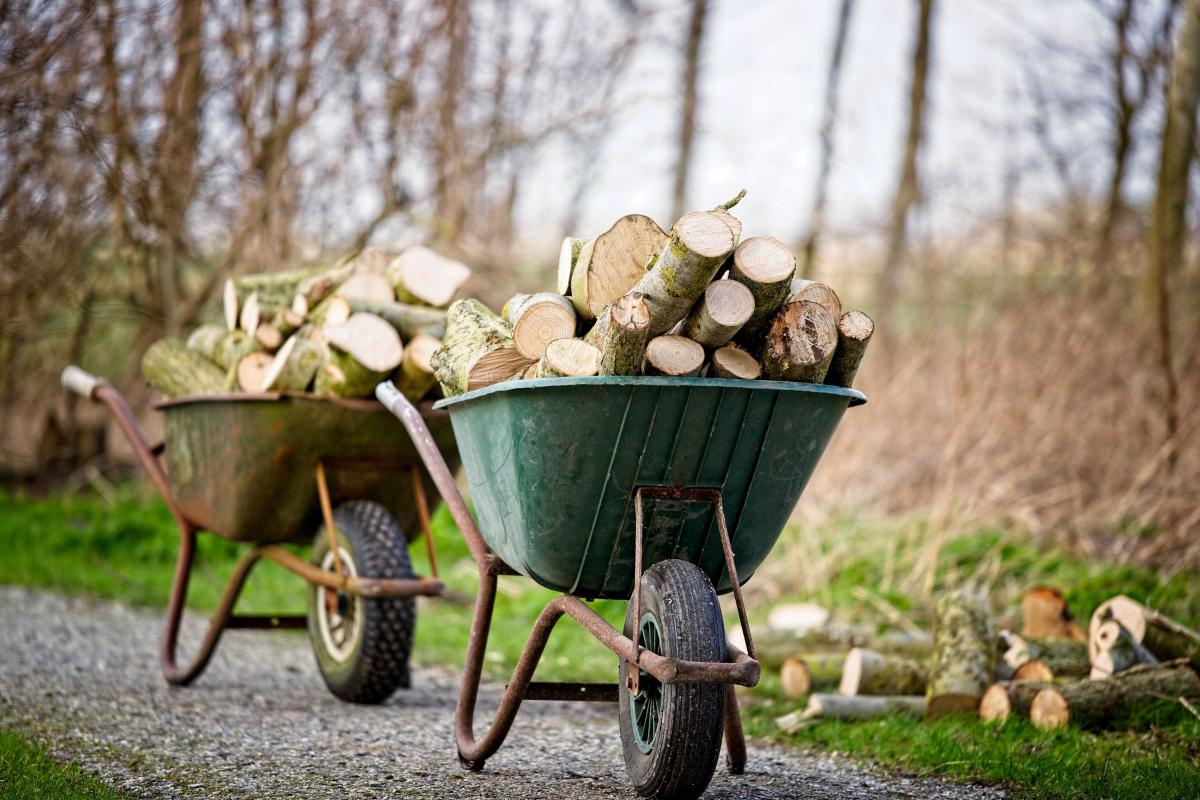
Homeowners who heat with a wood stove or solid-fuel boiler can get far more warmth out of their winter fuel simply by choosing the right type of wood, according to heating advice circulating this week. The species of firewood determines how much heat it gives off and how long it burns, with quality timber capable of providing steady, strong heat throughout the entire winter.
Six species are considered the best for heating a home: hornbeam, oak, beech, ash, acacia and birch. These types are usually the most expensive per cubic metre of firewood, but the higher price reflects their quality and the strong heat they produce when burned.
Why Denser Wood Burns Better
All six species share a high density, meaning they burn more slowly and release more heat over time. Softer, cheaper types of wood burn faster and require much larger quantities to match the same burning time, which cancels out any savings from a lower price.
Each species has its own particular qualities. Oak suits households planning to heat their home over a long period, since it burns for a long time and holds heat well. Acacia is dense and high in calorific value, while birch ignites easily and costs less than the other top species. Ash produces very little soot.
Hornbeam Leads for Heat Output
Of the six, hornbeam is considered the clear leader when it comes to the amount of heat produced. It is described as a high-quality wood that delivers strong heat and has an exceptionally high density, though it also costs more than the other species.
Mixing Wood and Moisture Levels
Homeowners do not have to burn a single type of wood. A mix of dense wood for long burning and softer wood for quick ignition can also be used to heat a home.
Whatever species is chosen, firewood loses its effectiveness if it holds too much moisture. Wood moisture should not exceed 20 percent to produce strong heat, making this the single most important factor to check when buying fuel.
Test yourself
Which firewood species is named as the clear leader for heat output?
What moisture level should firewood not exceed for strong heat, according to the advice?
Why do the six top firewood species cost more despite burning slower?
Have your say
What do you mainly use to heat your home in winter?