


Spanish singer Barei, whose real name is Bárbara Reyzábal González-Aller, has released her new single titled Volvería a hacerte bailar in Madrid, marking her return to music two years after her album Trece.
The song was written in collaboration with artist ATY and three Swedish songwriters, following her return to recording after giving birth to her twins.
Born in Madrid in 1982, Barei is a Spanish singer and songwriter who represented Spain at the Eurovision Song Contest in 2016. She has established herself both as a solo performer and as a composer writing tracks for top Spanish recording artists.

The creation of Volvería a hacerte bailar began during a songwriting session in Sweden intended for an album by ATY. When the track was not included in ATY's final record, Barei continued listening to it in her car and realized the harmony suited her vocal range, allowing her to crack her voice in her signature style. She urged ATY not to leave the track unused due to its positive message about keeping memories alive and expressing gratitude for love. ATY agreed to release the song as a joint collaboration, following a similar joint single he previously recorded with Spanish singer Chenoa.
Songwriting camps and industry work
Alongside her solo work, Barei organises songwriting camps for musical talent. Participants gather in a house for three days, working four hours each day combined with leisure time. The teams compose song repertoires for prominent artists such as Malú and David Bisbal, as well as entries for Benidorm Fest and the Eurovision Song Contest.
Benidorm Fest is Spain's annual televised competition used to select the nation's representative for Eurovision, Europe's annual international music contest. Barei noted that her composition camps place strong emphasis on personal connection, including shared dinners and post-meal conversations to help writers bond.
Barei explained that she considers her primary talent to be listening to others. While she stated she would never leave songwriting because it is where she flows most freely, she noted that performing under the Barei name involves external validation and ego, which can lead to suffering. She added that the superficial aspects of the music profession no longer connected with her.

Motherhood and therapy initiatives
Barei explained that her shift away from industry pressure occurred after she became a mother, which redirected her focus inward. She revealed that she has been in therapy since the age of 16 and has undertaken various therapeutic methods throughout her life. Motherhood transformed her outlook, causing previously important matters to become irrelevant.
To overcome artistic anxiety, Barei took a seven-year break from her career until she felt detached from external applause and results. That self-discovery process inspired her previous album Trece, where every song reflected her personal growth.
Looking ahead, Barei revealed plans for a project dedicated to providing physical and mental accompaniment for people in their personal growth. She observed that people frequently open up to her, leading her to plan an initiative combining music with therapy. She noted that despite a lifetime of therapy, meaningful change only occurred when she truly felt her emotions, adding that her real purpose lies in helping others.
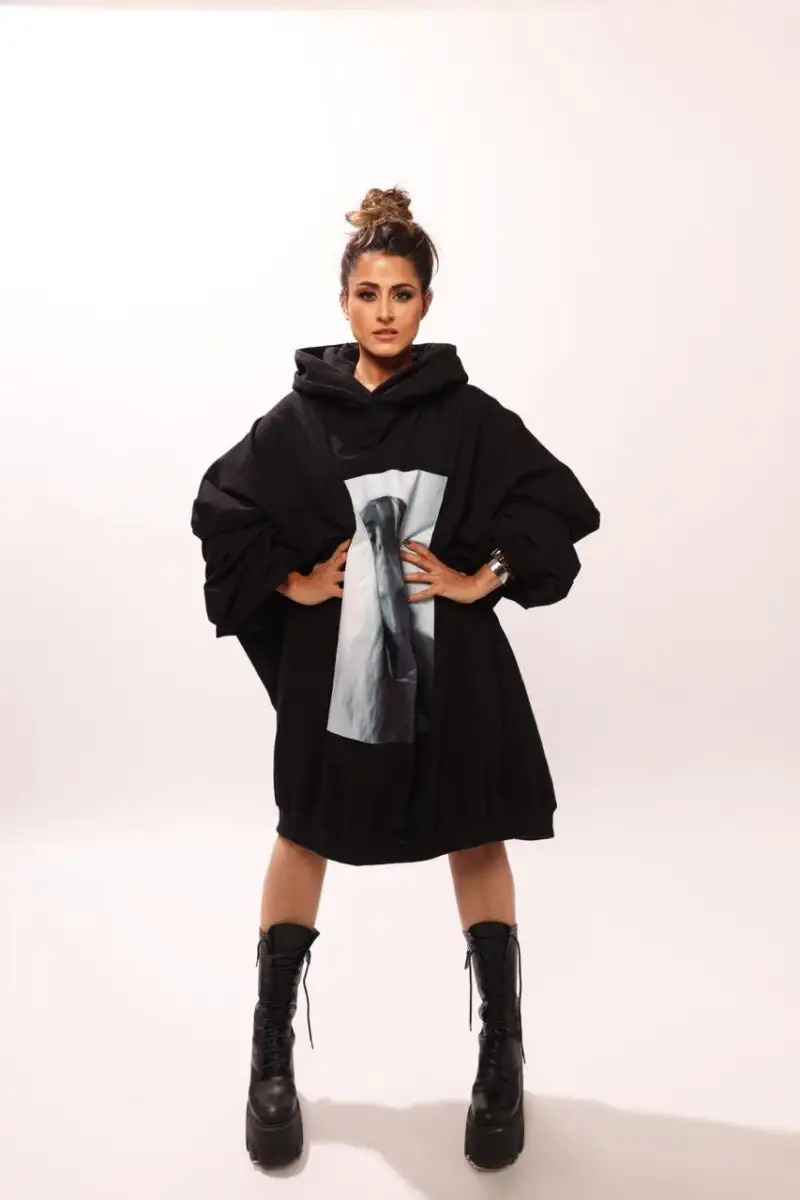
Eurovision reflections and personal growth
Reflecting on her Eurovision Song Contest participation ten years ago, where she finished in 22nd place, Barei expressed immense gratitude for the experience. She recalled that between February and May of that year, she enjoyed the competition immensely and maintained a focus on gratitude rather than anxiety.
She explained that the contest exposed both her professional and personal limits while revealing inner strength she did not know she possessed. Having competed at age 34, she noted that she would enjoy the experience even more today, as public criticism would no longer disturb her as it did in the past.
Views on family, technology and body art
Barei stated that her identity as a woman and as a mother carry equal weight in her life. Her main priority is deciding the kind of person she wants to be and guiding how her children interpret the world. She emphasized that she is a present mother and refrains from using her mobile phone when spending time with her children.
She described mobile phones as an addictive substance comparable to alcohol or smoking, warning that widespread social acceptance causes technology use to degenerate into harmful habits.
Barei also reflected on her tattoos, which serve as reminders of her values and life lessons. On her wrists, she has tattooed the words agitación and serenidad, representing her natural tendency toward restlessness alongside her ability to seek calm. She also sports a large butterfly tattoo with fluttering wings, reminding her that every action has a wider impact and reinforcing her goal to act out of love rather than fear.


