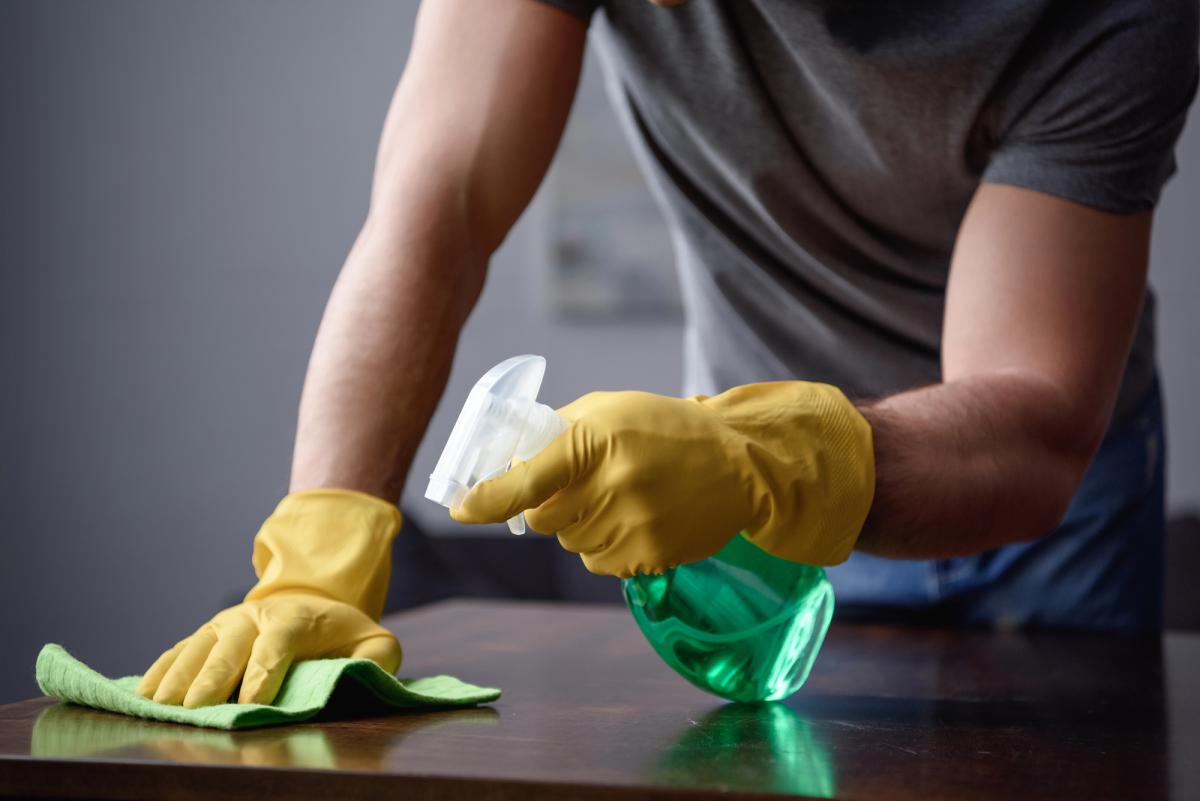
Paper towels are losing ground in kitchens to a reusable alternative known as the Swedish dishcloth, according to a report by The Coolist. The cloth, made from a blend of cellulose and cotton, is increasingly replacing paper towels for wiping up spilled coffee, cleaning countertops and mopping up moisture.
Dry, the cloth looks and feels like cardboard. Once it is wet, it softens and becomes flexible. The Coolist explains that the secret lies in its fibres, which form a network of tiny cavities that absorb liquid quickly and release it just as easily when the cloth is wrung out.
That means the same cloth can wipe up coffee and clean a countertop, then simply be rinsed under water afterwards. Unlike paper, it does not turn soggy or fall apart. According to the report, its properties sit somewhere between a sponge and a sturdy paper towel. People who are giving up ordinary sponges are advised to use a brush for washing plates and pans, and keep the cloth for countertops and spills.
Seven Cloths, One for Each Day
The Coolist recommends keeping seven of the cloths on hand, one for each day of the week, along with a ventilated basket for used ones. That way, a clean cloth is available every day without needing a separate wash.
For a coffee spill, the advice is to first wet a dry cloth under the tap so it becomes flexible, then wring it out well. Folding it into four gives several clean surfaces to work with. The spill should be wiped from the edges toward the centre, turning the cloth over as needed, and finished with a single pass in one direction to pick up any remaining liquid.
After cleaning, the cloth should be rinsed until the water runs clear and wrung out again. It should then be fully unfolded and hung on a clip, rail or tap so air can reach both sides. The Coolist warns against leaving it crumpled next to the sink.
Why Leaving It Crumpled Is a Problem
The cloths can be used for spilled water, coffee marks, crumbs and juice from rinsed berries. At the end of the day, the cloth should go into the laundry basket, or sooner if it becomes dirty or starts to smell. The cloths should be stored separately from hand towels and dish towels, and using different colours can help avoid mixing them up.
The Norwegian food research institute Nofima tested kitchen cloths and found that salmonella multiplied actively in damp cloths left crumpled up. By contrast, cloths left to dry unfolded for 24 hours carried far fewer bacteria.
Because of this, if the previous day's cloth is still damp, it is better to reach for a clean, dry one and let the damp cloth dry fully with air reaching both sides. A well wrung, unfolded cloth is a far better option than a wet clump of fabric sitting next to a bottle of dish soap.
When It Is Time to Replace a Cloth
A used cloth is not sterile and is not designed to remove burnt-on food or disinfect surfaces. For cleaning up after raw meat, poultry or fish, paper towels are recommended instead, since they can be thrown away immediately. If meat juice lands on a countertop, it should be wiped up with a paper towel or a clean cloth, and the surface should then be cleaned and disinfected according to the instructions on the cleaning product.
Reusable cloths should be washed at a high temperature and dried on a high heat setting until completely dry. Once a cloth keeps an unpleasant smell after washing, starts to tear, or can no longer be rinsed clean, it is time to replace it.
Test yourself
What are Swedish dishcloths made from, according to The Coolist?
How many dishcloths does The Coolist recommend keeping in rotation?
What did Norway's Nofima institute find about crumpled, damp cloths?
Have your say
Would you switch from paper towels to a reusable Swedish dishcloth in your kitchen?