When temperatures drop, the instinct is always the same: add another layer. But does a single thick sweater keep you warmer than several thin garments worn on top of each other? The answer, it turns out, has some nuance.
No garment generates heat on its own. The body produces the warmth, and clothing simply stops it escaping. It does this thanks to the air trapped between its fibres, since air conducts heat very poorly and slows its loss to the cold outside.
With several layers, that effect multiplies, because air also gets trapped between one garment and the next. For this reason, layers should not be too tight. If clothing is snug, the air gets compressed and the insulating effect is lost.
Layering: from coat to trend
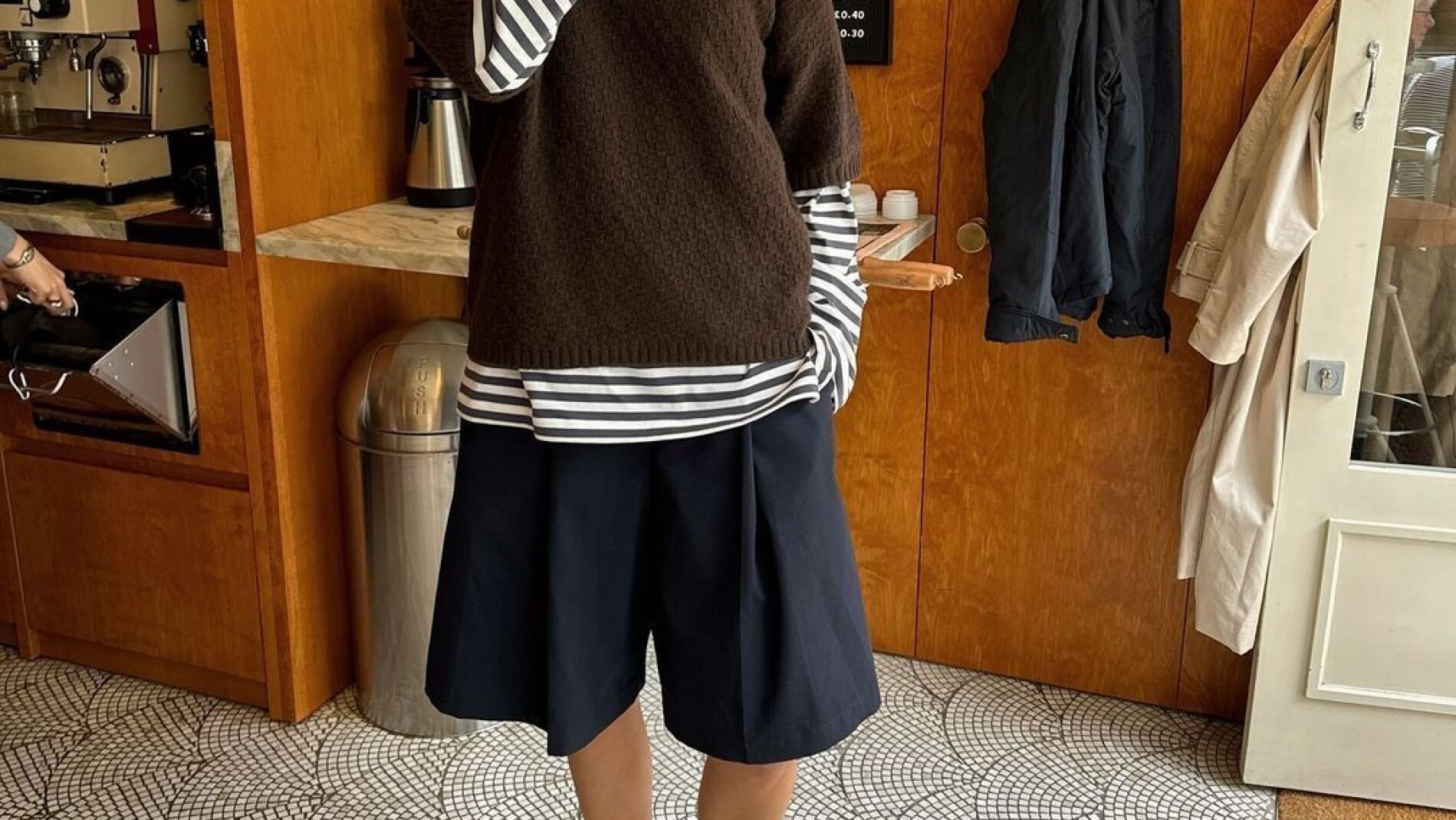
Layers have another advantage: they can be added or removed as needed, for example when walking into a heated room. What was until recently a practical solution against the cold has become a fashion trend in its own right.
Layering involves combining garments, textures and proportions to turn basic pieces into more sophisticated outfits. Catwalks for Prada, Loewe, Ferragamo and The Row have already featured the technique.
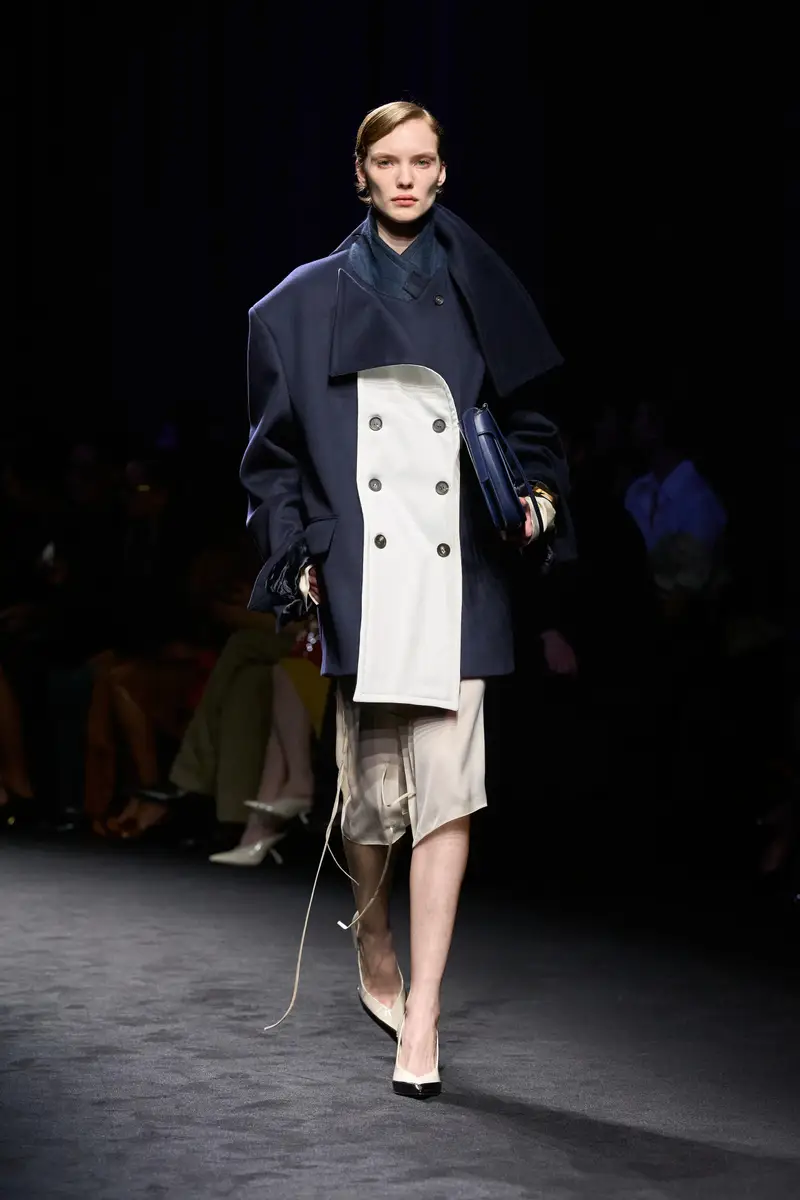
The method works by layering garments so that every piece remains visible and plays a role, in a structured way. There is no single focal point. Instead, the goal is functional balance.
This approach has a double benefit, since it lets people bring back summer clothes and pair them with warmer pieces. The layers should stay light, though, avoiding an overly bulky look while playing with contrasting textures. The shirt, in particular, stands out as a key ally.
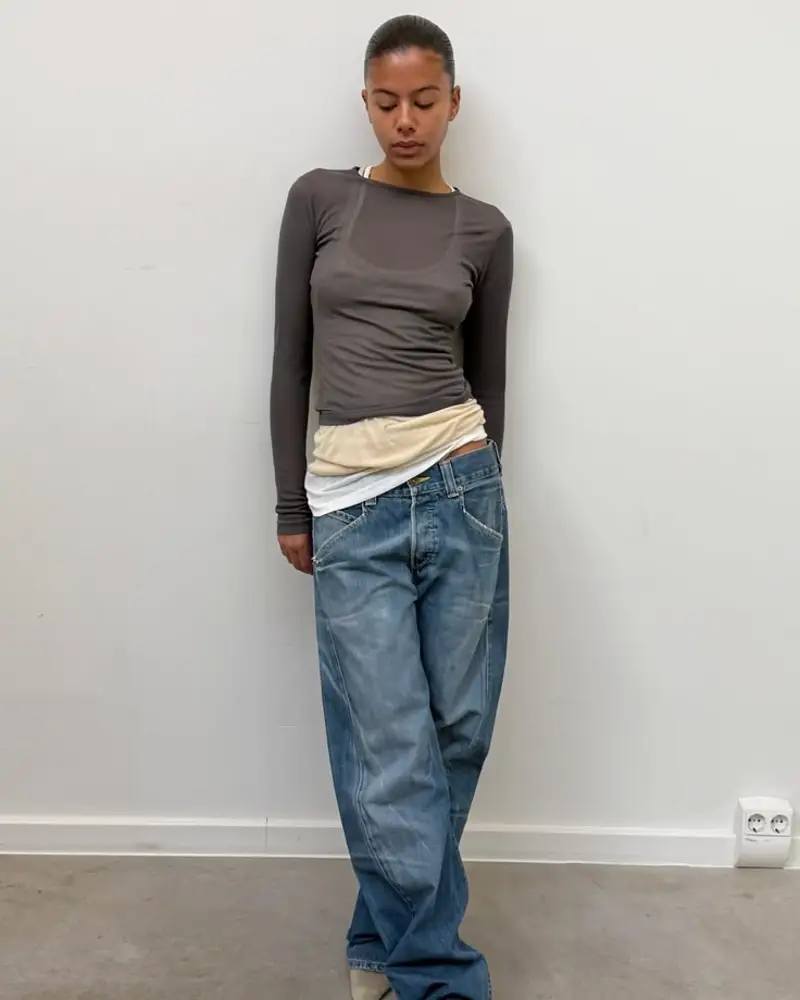
Not every combination keeps the cold out equally well. For intense cold, the classic system separates clothing into three functions: thermal underwear, a middle layer that retains body heat, such as a wool sweater or fleece, and a waterproof outer garment that acts as a windbreaker. Which of these to choose depends on what the thermometer is actually showing.
When does the thick sweater win?
A thick wool sweater remains a solid option. People who walk a lot, exercise or work outdoors tend to benefit more from layering, while those who stay still for long stretches may find more comfort in a single heavy garment.
The thickness of the yarn is not the whole story, either. A thin thread knitted in a very tight weave can actually insulate better than a thicker one.
In practice, the most effective approach combines both ideas: a base layer that does not trap sweat, a wool sweater or fleece on top, and, if the wind picks up, an outer shell to block it. It is a strategic solution where fashion, comfort and warmth all come together.
Test yourself
According to the article, what actually produces body warmth?
Which design houses are named as having anticipated the layering trend on the runway?
What does the article say about layers that are too tight?
Have your say
Which do you prefer for staying warm in winter?