

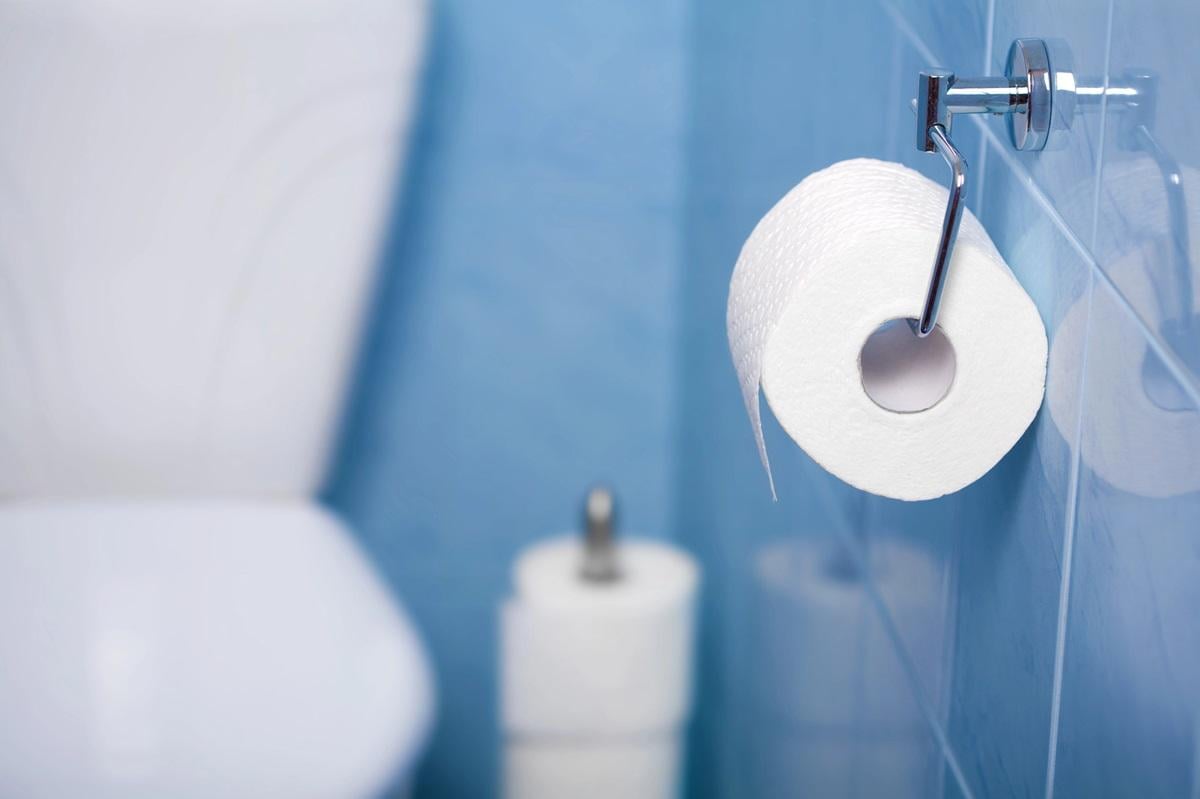
The debate over which way to hang a toilet paper roll is trending again on social media, and hygiene experts say one option is genuinely better than the other, according to El Cronista.
Beyond personal preference, experts say the direction the roll faces can affect how easy it is to use, how clean a bathroom stays, and how much contact hands make with potentially dirty surfaces. That is why a growing number of specialists recommend sticking to one consistent method.
Most experts advise hanging the roll so the loose end hangs over the outside, facing away from the wall. This is the orientation shown in the original patent for perforated toilet paper, registered by Seth Wheeler in 1891.
Why the outward hang wins
Experts point to several advantages of hanging the paper with the end facing outward. It is faster to find the end of the roll, easier to tear with one hand, and it keeps fingers from touching the wall or holder. It also leaves the roll looking neater and makes replacing it simpler.
The difference matters most in shared bathrooms, where even small habits can improve daily use and help maintain hygiene. When the end is pressed against the wall, people often have to touch the roll more times to locate it, increasing contact with a surface where moisture, dust or microorganisms can build up.
Still, in homes with small pets or young children, some people prefer hanging the roll with the end facing the wall, since it makes the paper harder to unroll. Experts say the outward-facing method is best understood as a better hygiene habit rather than a strict rule.
Why some are ditching toilet paper altogether
The report also notes that toilet paper, long seen as an essential hygiene product, has real downsides. It can clog plumbing and adds a recurring cost to household budgets.
An alternative already exists that avoids both problems: the bidet or hygienic shower spray, now used by millions of people worldwide instead of paper. The system is especially popular in Western Europe, South Korea, Japan and Muslim-majority countries.


