Clinicians at the National Veterinary School of Toulouse have taken in a non-native boa constrictor discovered resting under a car hood in Colomiers on Tuesday, August 18. A local resident made the unexpected discovery while attempting to perform routine maintenance on his vehicle.
The car owner opened the bonnet expecting a simple mechanical inspection, only to come face to face with the reptile seeking warmth near the vehicle engine. The snake had presumably lived in a private vivarium before taking refuge inside the car.
Colomiers, a commune situated just west of Toulouse in southwestern France, falls within the primary care area of the National Veterinary School of Toulouse. Founded in 1828, the veterinary institution operates a dedicated wildlife division alongside its main academic teaching hospital.
Discovery of the Unchipped Snake
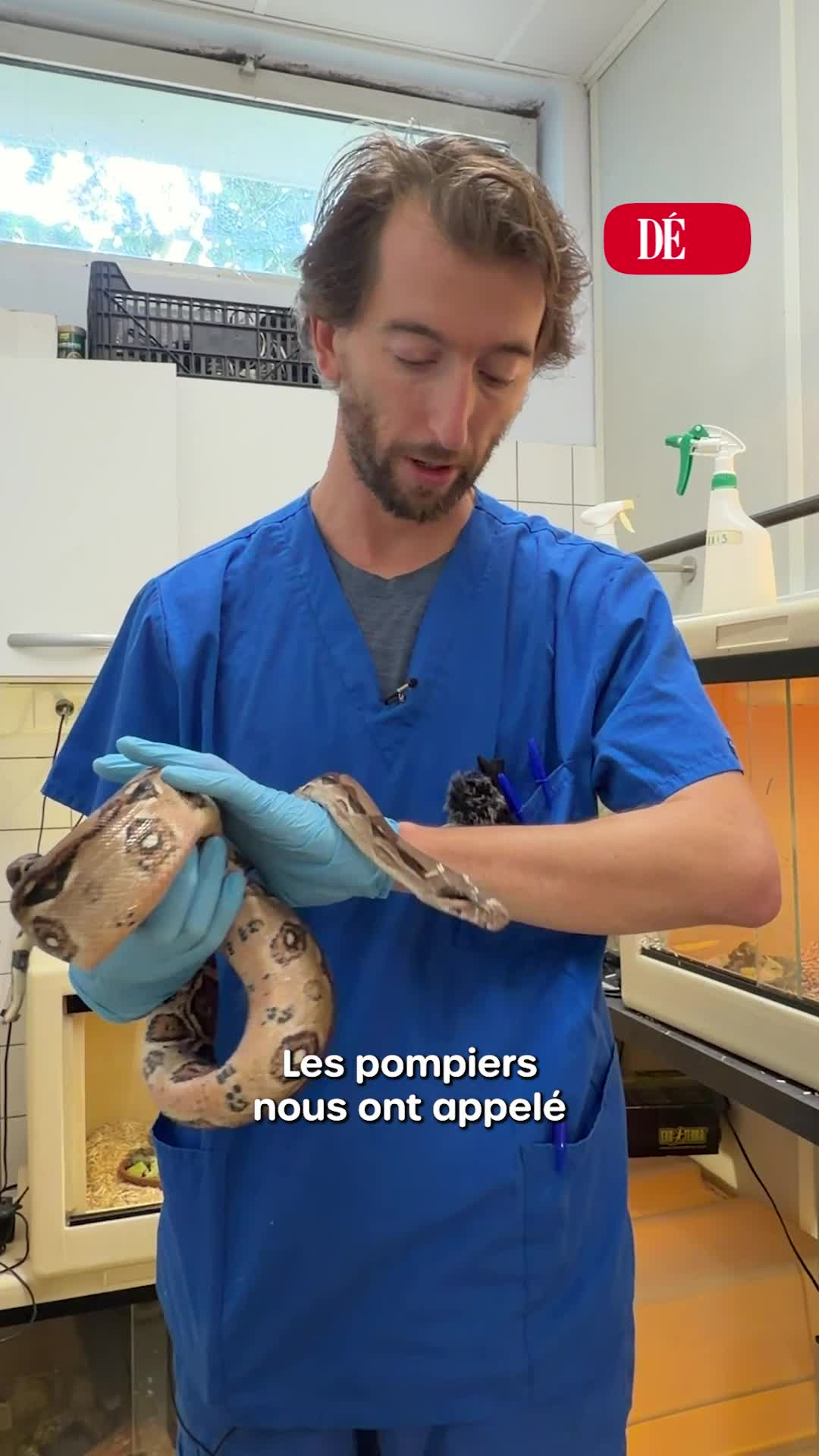
Upon arrival at the medical facility, staff placed the snake inside the reptile section and marked its enclosure with the temporary name Anaconda for the duration of its stay. Dr Faulmann, a clinical veterinarian in the wildlife division, approached the motionless reptile and noted that it displayed no signs of aggression.
The snake, measuring slightly over one metre in length, hissed while a distinct blue haze covered its eyes. Dr Faulmann explained that the blue veil over the eyes indicated that the reptile was about to undergo moulting and shed its skin.
Veterinary staff conducted a comprehensive X-ray examination of the boa to check for an electronic tracking microchip. The scan confirmed that the snake was unchipped, leaving clinicians with no means to contact or identify the owner, who had kept the exotic animal illegally.
Under French law, non-domestic pets are classified as Nouveaux Animaux de Compagnie, or new companion animals. National regulations mandate official identification and microchipping for specified exotic reptiles to prevent illegal ownership and animal abandonment.
Strain on Wildlife Care Resources
Dr Faulmann explained that snakes permitted as household pets are generally harmless to humans, noting that injuries caused by domestic reptiles are extremely rare compared to incidents involving dogs and cats. He observed that unlike a venomous cobra retrieved from bushes near Toulouse a few months earlier, the rescued boa posed no danger to the public.
The clinic features tiled treatment rooms similar to a standard veterinary practice, but staff do not treat domestic pets such as dogs or cats. The mandate of the facility is restricted exclusively to providing medical care for native French wildlife endemic to the region.
Despite its focused mission, the service routinely receives non-native species, including pythons, boas, and exotic turtles that scratch against their plexiglass enclosures while awaiting treatment. Dr Faulmann noted that the clinic effectively functions as an exotic animal pound, even though caring for displaced non-native animals diverges from its core mission.
The influx of exotic reptiles creates severe sanitary and operational challenges for the facility. The organization admitted 3,600 animals in 2025, with non-native species staying on site for an average of six months, straining clinic resources and driving an ongoing need for public donations.
Repeated Reptile Escapes in the Region
Dr Faulmann stated that veterinary staff regret being unable to house the animals under better conditions. He explained that the immediate goal is to keep the boa healthy and stress-free until clinicians can transfer the reptile to a suitable permanent facility. Veterinary specialists have not yet determined the precise species of the boa.
The discovery in Colomiers reflects a broader series of exotic reptile incidents in the region. During the same week, firefighters captured another one-metre boa that had escaped from a vivarium near Toulouse, marking two separate boa recoveries in local streets within a 48-hour period.
In a related incident in Moselle, a department in northeastern France, a garage mechanic opened a car bonnet during repair work and discovered a boa concealed inside the engine compartment.
Dr Faulmann noted that if the owner had complied with legal identification rules, veterinary staff could have returned the snake directly to its home. The veterinary school continues to solicit public donations to fund its medical operations and maintain care for native and exotic animals alike.