

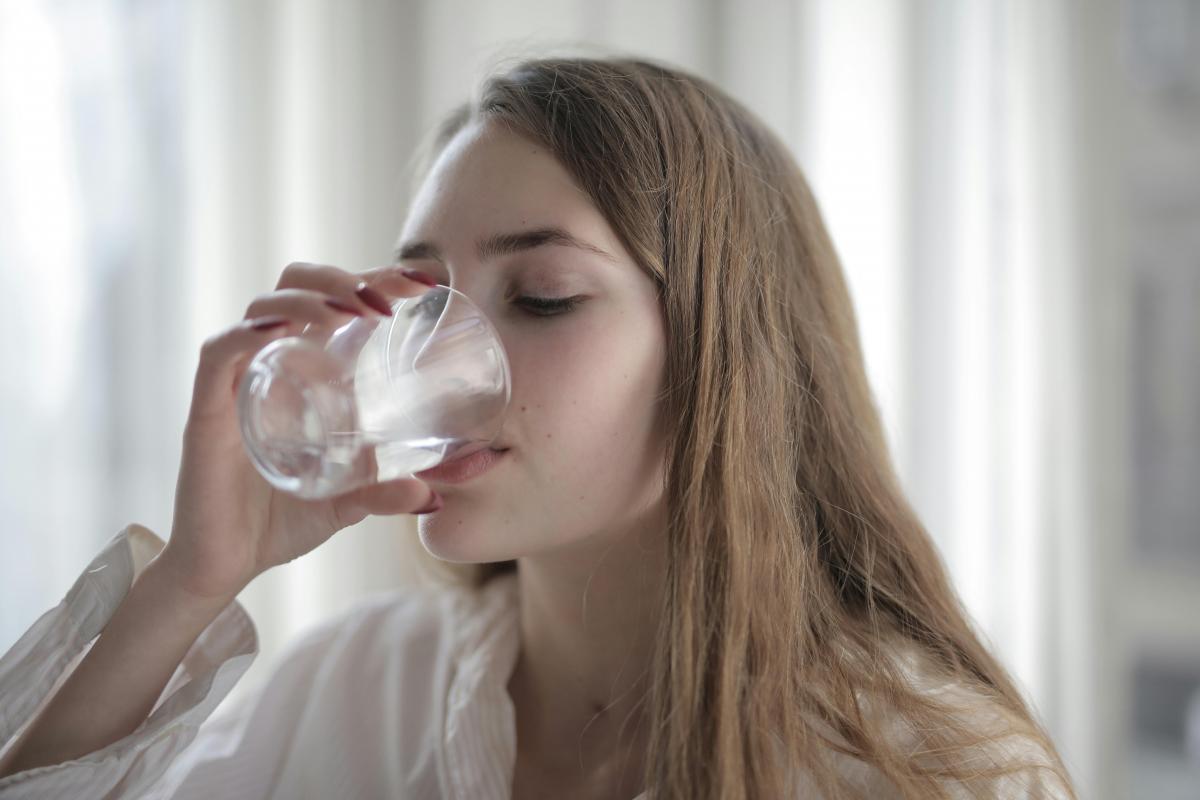
A large scientific study has found that the long-standing advice to drink eight glasses of water a day does not apply to everyone, since daily water needs can vary widely from person to person, WP Tech reported.
Researchers analysed data from more than 5,600 people across 26 countries, according to WP Tech. Participants ranged from newborns just a few days old to adults aged 96.
How the research was carried out
The team used the doubly labelled water method, a technique that allows scientists to precisely track how fluid moves through the body.
The analysis found that water needs are shaped by several factors, including age, sex, body weight, physical activity levels and climate. Average daily water intake ranged from about 1 to 6 litres, and in extreme cases reached as much as 10 litres a day.
The highest water turnover was recorded among young, physically active men, the researchers found. Results among women were more consistent, which the team said also showed how individual the question of hydration really is.
Why the eight-glasses rule fell short
Professor Dale Schoeller, a co-author of the study from the University of Wisconsin-Madison, said science had never actually supported the eight-glasses rule as a proper benchmark. He said the rule confused the body's overall water turnover with water taken in specifically from drinks, when in fact a significant share of fluid intake comes from food.
In practice, the researchers said, this means people would do better paying attention to the signals their body sends rather than strictly counting glasses. They noted that thirst, energy levels and the colour of urine can give a better indication of whether someone is properly hydrated.
Other warning signs
UNIAN previously reported that frequent night-time trips to the toilet can be a warning sign worth paying attention to.


