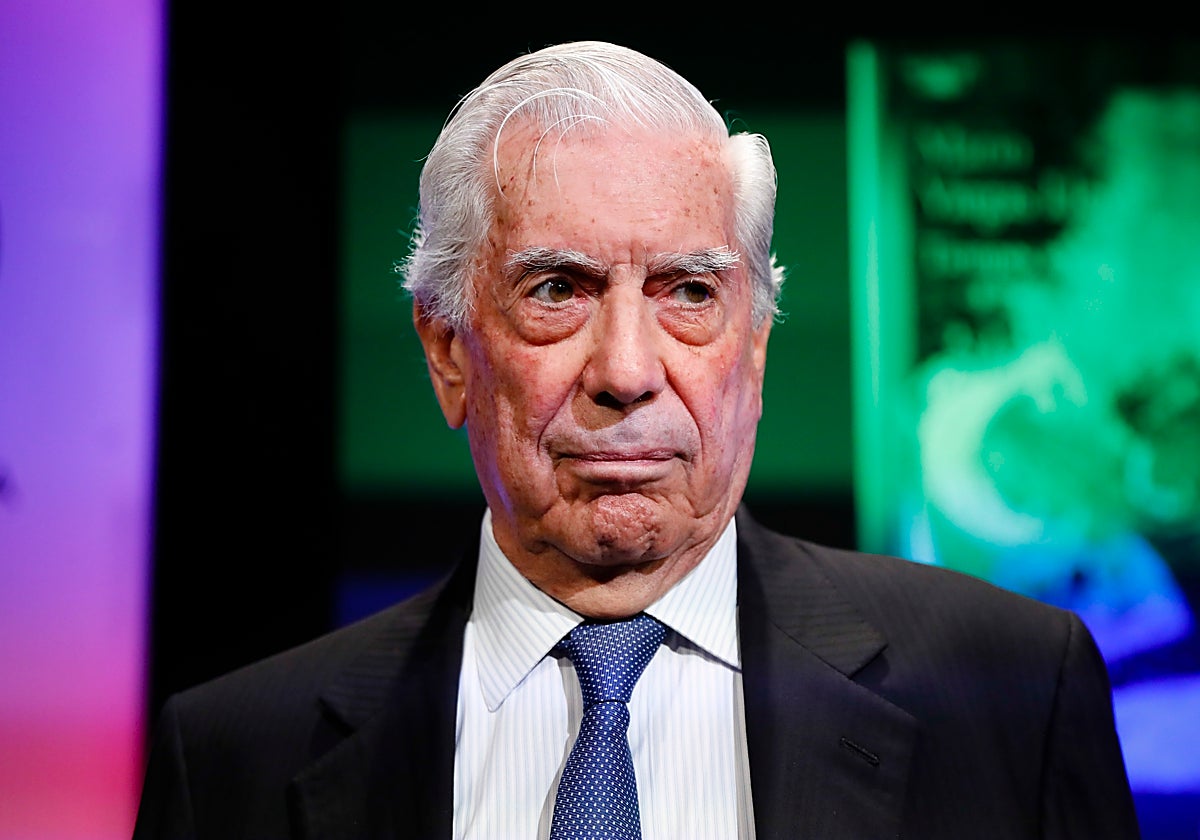
A biography of the Nobel literature laureate Mario Vargas Llosa by the British academic Gerald Martin has been dropped by the Spanish publisher that held the rights to it for 13 years, after editors there objected to its content.
Debate, the Penguin Random House imprint that belongs to the same Alfaguara group that publishes Vargas Llosa's own work, had held the Spanish-language rights to Martin's book, titled "Vargas Llosa: A Life," since 2013. The publisher has now given them up, and Ediciones Deusto, part of Grupo Planeta, will bring out the Spanish edition instead. The book is not expected to reach Spain and the rest of the Spanish-speaking world until the end of 2027, when it is intended to be released simultaneously across those markets.
Miguel Aguilar, Debate's editorial director, said the publisher did not get access to the manuscript until practically the moment of its publication in the United Kingdom in July.
Rejected by the publisher
Once Debate had seen the text in full, Aguilar said, the publisher concluded that its approach, its interpretative criteria and the portrait it built of Vargas Llosa did not meet the editorial standards it required for a book of this kind, nor were they compatible with the backing of its imprint. For that reason, he said, Debate decided not to add it to its catalogue.
Bloomsbury, the book's original British publisher, describes it as a dazzling and deeply documented account of the astonishing and profoundly contradictory life of Vargas Llosa, calling him a literary colossus. It says that until his death in April 2025, the Peruvian novelist and essayist enjoyed international renown and was unquestionably regarded as the best living writer and the most influential intellectual in the Spanish-speaking world.
Bloomsbury adds that he was also, without doubt, the most controversial. Beyond the quality of his writing, which the biography does not dispute, Martin describes how Vargas Llosa, despite declaring himself a socialist in his youth, changed his mind about the meaning of freedom and travelled a long road through different ideologies, renouncing collectivism in every form until he became a fervent and provocative supporter of the former British prime minister Margaret Thatcher and the former US president Ronald Reagan.
A controversial love life
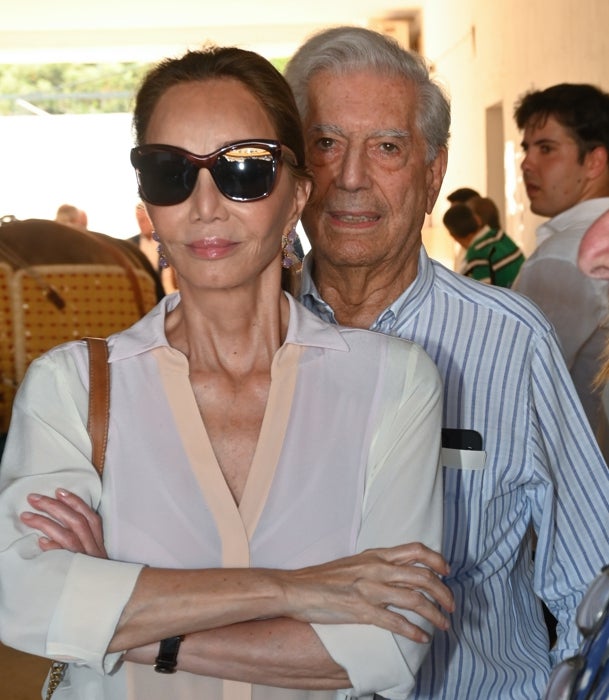
The biography does not avoid his well documented love life either. At nineteen he married an aunt, and a decade later replaced her with a teenage first cousin, before leaving her, in what the book calls a scandalous fashion, after fifty years of marriage, in favour of the most glamorous woman in post-Franco Spanish high society, Isabel Preysler.
The book also recounts how he came close to winning the presidency of Peru, and tells the much-repeated story of how he floored his friend and rival, the Colombian Nobel laureate Gabriel García Márquez, with what the biography calls the most famous punch in the history of literature.
Praise and criticism of Vargas Llosa
The biography alternates praise for Vargas Llosa and his work with fierce criticism of his politics in his later years. Its back cover describes him as handsome, elegant and endowed with almost incomparable ambition, energy and determination, adding that his personal life was as controversial as his political career. That does not stop Martin from calling him the greatest realist novelist in the history of Latin America.
Martin, who also wrote the definitive biography of García Márquez, published in Spain by Debate in 2009, describes Vargas Llosa as a courtier of the Spanish ruling class. The book is also critical of his support for far-right figures in South America such as Argentina's Javier Milei and Brazil's Jair Bolsonaro. On his love life, the biography notably states that Vargas Llosa regarded Isabel Preysler as a war trophy.
What happens next
The Spanish-language edition from Ediciones Deusto is expected to be published by the end of 2027, simultaneously in Spain and other Spanish-speaking countries.
Test yourself
Which publisher gave up the rights to publish Gerald Martin's biography of Vargas Llosa in Spanish?
Who will now publish the Spanish-language edition of the biography?
According to the biography, who did Vargas Llosa become a supporter of after abandoning socialism?
Where it happened
Madrid, Spain