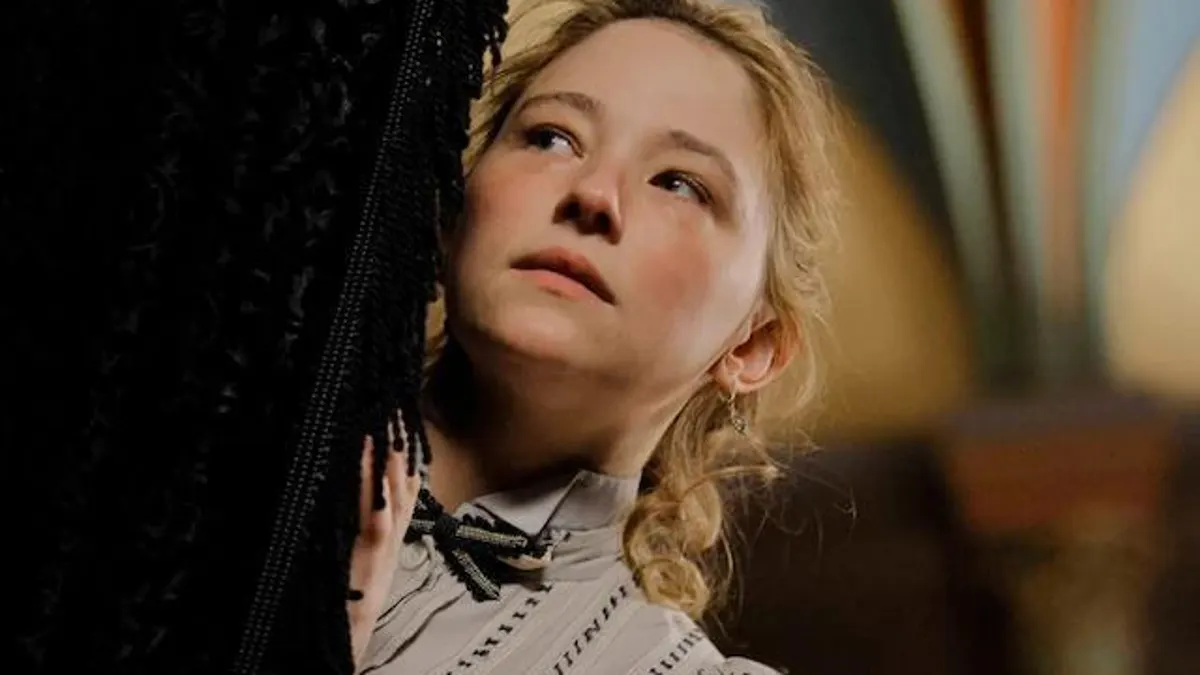
"Virginia Woolf: Night and Day," a new British tragicomedy directed by Tina Gharavi, has become the first film ever made from the novel Virginia Woolf wrote in 1919, according to a review in the Spanish newspaper La Razon. The film stars Haley Bennett as Katharine Hilbery, a young woman who tries everything she can to avoid marrying William, an old family friend chosen for her by her parents.
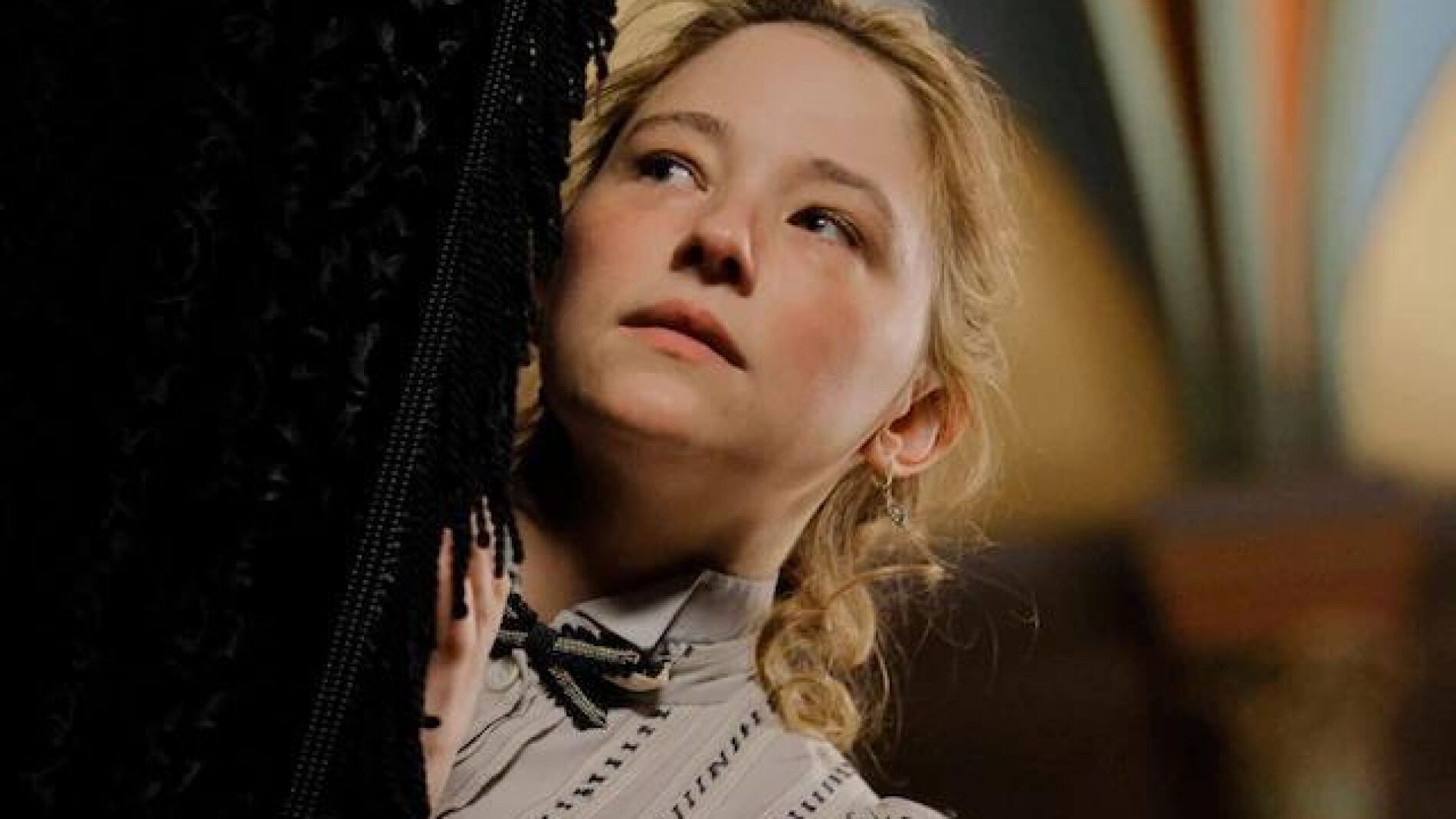
According to the review, written by critic Carmen Lopez Lobo, Katharine is obsessed with astronomy rather than marriage. She even disguises herself as a man so she can attend a lecture open only to men, all while working to prove her own theory about variable stars.
The review notes that Katharine dreams of studying physics at Cambridge, something it describes as impossible at the time, pointing out that the university did not even have bathrooms for women. Through the course of the story, the review says, Katharine comes to realise that no marriage would ever give her enough room for the freedom she wants.
Cast and crew behind the film
The screenplay was written by Justine Waddell, adapting Woolf's novel, and the cast includes Elyas M'Barek, Lily Allen, Jack Whitehall and Timothy Spall alongside Bennett. The film was made in the United Kingdom, runs 95 minutes and is classed as a tragicomedy.
Virginia Woolf was one of the leading figures of English literary modernism in the early twentieth century, known for novels that experimented with narrative voice and inner thought. "Night and Day" was her second novel, published in 1919, and according to the review it had never previously been brought to the screen.
The review also recalls that Woolf died by suicide in 1941, at the age of 59, drowning herself in the River Ouse near Sussex after filling the pockets of her coat with stones so she would not float. Despite this, the review notes, Woolf had a very British sense of humour, and there is nothing contradictory about wanting to leave the world with something close to a wry smile.
The critic's verdict
Lopez Lobo's review says the film has both humour and drama, calling it elegant and praising a period setting it describes as impeccable, adding that this kind of production comes naturally to English filmmakers. The review draws a comparison between the story's astronomical theme and Halley's Comet, noting that it passes only once in a lifetime, and joking that by the time it returns, today's audience will already be dead.
The review singles out Bennett's performance and the elegant setting as the best things about the film, while also noting that such period detail tends to come easily to British productions. Its biggest flaw, according to the critic, is the ending, which she calls rushed, adding that the conclusion of Woolf's original novel works far better than the one chosen by the director.
About the review's author
Carmen Lopez Lobo, the critic behind the review, worked for 11 years at the Spanish newspaper ABC before moving to La Razon, where she has worked since the paper was founded, according to her byline.
Test yourself
Who directed "Virginia Woolf: Night and Day"?
What is Katharine Hilbery obsessed with instead of marriage, according to the review?
How long does the film run?