

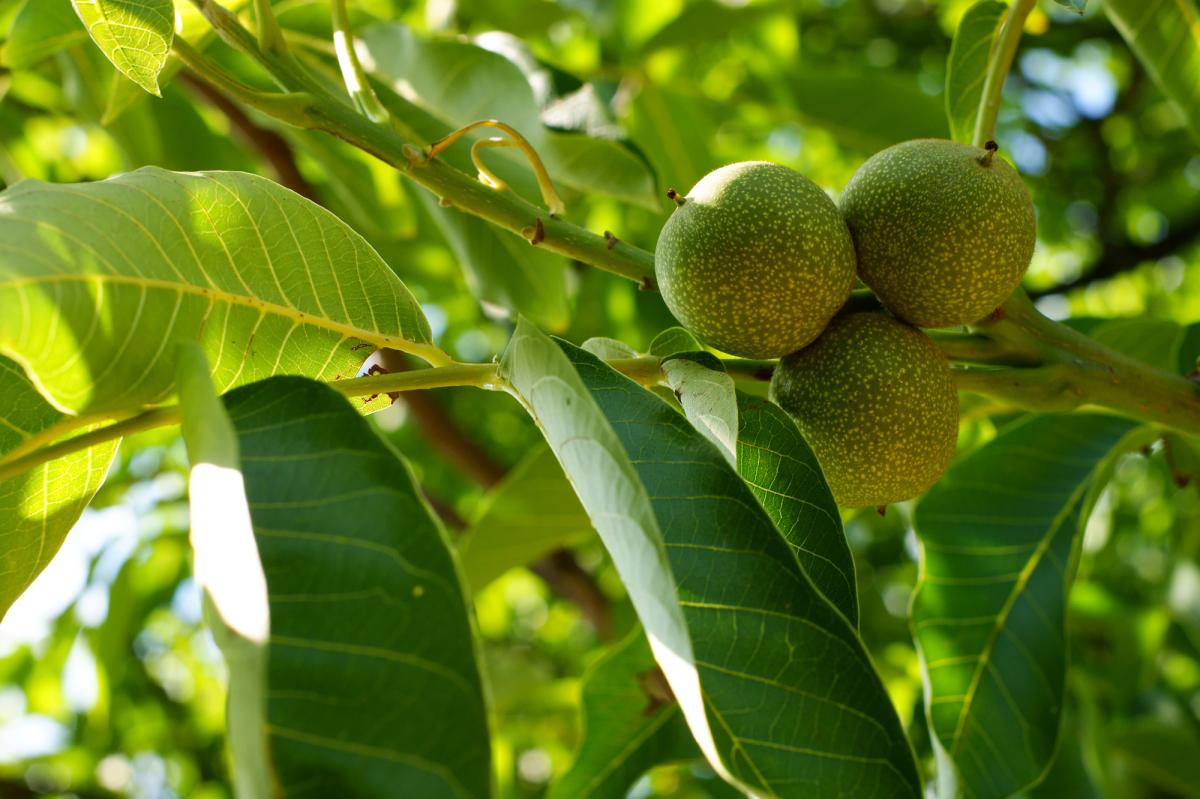
Walnut tree owners must thoroughly clear fallen fruit and plant debris beneath their trees this autumn to prevent severe pest infestations and disease outbreaks during the next harvest season, according to gardening publication Agroinform.
Failing to clean garden ground before winter creates ideal shelters for destructive insects and pathogens. Agroinform reported that uncollected walnuts, discarded shells, and organic waste on the ground serve as wintering sites where larvae, fungal spores, mycelium, and bacteria hide once cold weather arrives.
Risks of pest infestations and disease
The walnut husk fly, known scientifically as Rhagoletis completa, has spread widely in recent years and ranks among the most damaging pests affecting walnut trees. The fly larvae feed within the fleshy husk of the nut, causing outer tissue to decay and stain the inner shell.
Bacterial shell spot, caused by the pathogen Xanthomonas arboricola pv. juglandis, and various fungal infections also pose significant threats to orchard health. Additionally, fallen debris harbors parasitic nematodes and bark beetle larvae over winter.
These pathogens emerge with renewed force in the spring. Agroinform noted that even the most effective chemical sprays applied in spring cannot control infections if pest colonies remain dormant in the soil beneath the trees.
Essential autumn maintenance steps
Gardeners are advised to collect every fallen walnut, shell remnant, and husk beneath the tree canopy. Agroinform stressed that infected material must not be placed into standard compost heaps, as doing so allows pest colonies to survive in the garden. Instead, diseased debris should be burned or taken to a designated green waste facility.
After clearing the ground, gardeners should apply a layer of mulch around the base of the tree to lower the risk of future infection. Organic mulch covers exposed soil, helping prevent soil-borne pathogens from reaching tree bark and foliage.
Agroinform emphasized that thorough autumn sanitation can reduce next year's infection levels by one third, provided the procedure is repeated every year.
Pruning warnings for sap-bleeding trees
The report also issued a caution regarding autumn tree pruning, noting that certain species should not be cut during this season. Trees with high sap pressure, such as birch trees, suffer excessive bleeding if pruned in autumn, leaving open wounds that fail to heal properly.


