

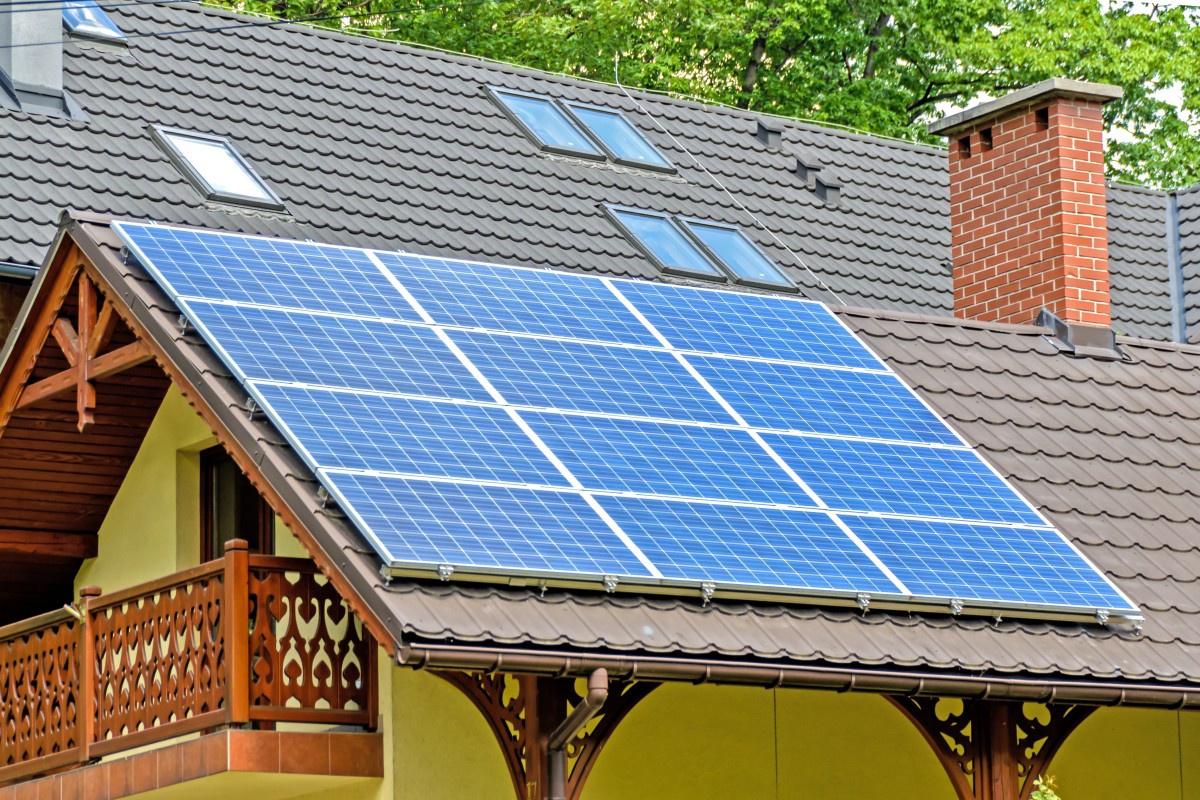
Solar panels installed facing west produce 49 percent more electricity during peak summer demand hours than traditional south-facing arrays, a study in Austin, Texas, has found.
The findings, reported by Energies Media, indicate that adjusting panel orientation can significantly increase financial returns under modern electricity tariffs.
Researchers compared identical solar arrays that differed only in the direction they faced. During the peak summer grid window between 3:00 p.m. and 7:00 p.m., the west-facing panels generated 49 percent more power than those pointed south.
At the same time, westward panels reduced peak load on the electrical grid by 65 percent, compared to a 54 percent reduction achieved by south-facing systems.
Understanding solar panel orientation
For decades, standard solar installations across the Northern Hemisphere have pointed directly south to absorb the highest total amount of sunlight throughout the year. Solar photovoltaic systems convert sunlight into electricity to power homes and feed energy back into the local grid.
In warm climates such as Austin, Texas, summer temperatures drive up electricity consumption in the late afternoon as air conditioning units operate heavily. Power companies increasingly use time-of-use tariff structures, charging higher prices for electricity during these high-demand hours.
Timing versus total output
Researchers explained that while south-facing panels still deliver a higher total volume of electricity over an entire year, modern power markets value when electricity is produced rather than simply how much is generated. Because electricity demand increases sharply in the late afternoon, energy produced during those hours commands higher prices.
However, researchers noted that west-facing installations do not benefit every homeowner. If a power utility charges a flat rate for electricity regardless of the time of day, the financial advantage of facing west vanishes, and a south-facing setup remains the most efficient option.
Choosing the right solar setup
The study concluded that homeowners should evaluate their local climate, house orientation, and utility tariff structure before installing panels. Researchers added that westward panels are particularly effective in areas with elevated evening rates, and pairing the panels with storage batteries can make solar power usage even more efficient.


