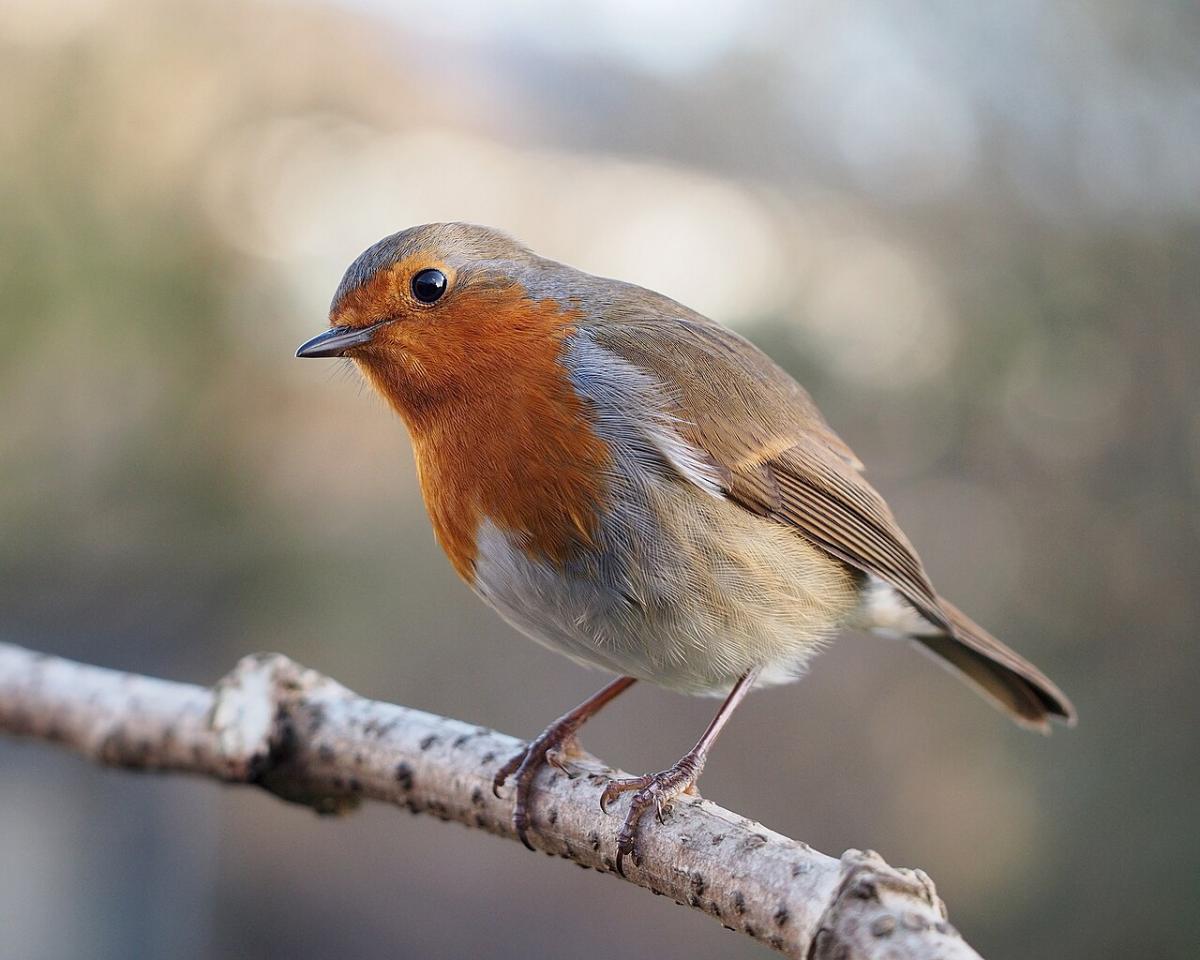
European robins, the small garden birds with a bright reddish-orange breast, often follow people around their gardens, pausing nearby and watching while someone works the soil. But according to the French outlet Le Mag des Animaux, this behaviour has nothing to do with affection for the gardener.
The bird's real motive is food, according to the Royal Society for the Protection of Birds (RSPB), the British charity dedicated to wildlife conservation. Robins readily tag along with people working in gardens because digging, weeding or clearing leaves disturbs the soil and leaf litter, bringing worms and insect larvae to the surface where the birds can reach them.
Turning over soil, pulling weeds or raking up fallen leaves gives robins temporary access to small creatures that normally stay hidden underground or among plant debris, the RSPB said. The bird is simply taking advantage of the opportunity rather than seeking a relationship with the person.
A robin's diet includes insects, spiders, earthworms and other invertebrates, as well as berries and small fruits, particularly when animal food becomes scarce. Robins typically search for food on the ground and in leaf litter, and gardening work makes some of these resources easier to reach for a short time.
Why the same robin keeps coming back
A robin appearing in the same spot repeatedly could mean the garden lies within its territory. Despite their reputation as a gentle, friendly bird, robins are fiercely territorial and defend the areas that provide the resources they need to survive.
Song plays a key role in defending that territory, signalling a robin's presence to other birds of the same species. Both male and female robins defend territory, including outside the breeding season, which is why a robin may react aggressively to another robin, or even to its own reflection in a window.
Is it always the same bird
Seeing a robin in the garden every morning does not necessarily mean it is the same individual. The species is only partly migratory: some robins remain in one region all year, while others make seasonal journeys. In winter, robins from more northerly regions may move to areas with a milder climate, meaning different birds can visit a garden depending on the season.
Does a robin mean a healthy garden
A robin that returns regularly is likely finding good conditions there, including food and shelter. Hedges, bushes, fallen leaves and dense vegetation can offer the bird a hiding place and sometimes a nesting site, while soil rich in invertebrates supplies it with food.
Even so, a robin's presence should not be treated as proof that a garden is healthy or biodiverse. The bird turning up does not, on its own, say anything about the garden's wider ecological condition.
Should gardeners feed robins
Wanting to attract a robin with food is understandable, but that does not mean the bird should be tamed, Le Mag des Animaux noted. The RSPB recognises that supplementary feeding benefits birds, but stresses that hygiene matters, since feeders can spread disease when large numbers of birds gather around a single source of food.
The charity recommends washing feeders every week, moving their position regularly, avoiding feeders with flat surfaces, and changing the water provided for birds daily. It also advises giving birds seeds and peanuts only between November and April, to limit certain health risks.
According to the RSPB, the best way to attract a robin is to preserve the garden's natural resources: keeping hedges, leaving some fallen leaves rather than clearing them all away, and limiting pesticide use. Gardeners should also watch the bird without trying to touch it or train it to eat from the hand, since a robin allowing people to come close does not mean it has stopped being a wild animal.
Test yourself
Why does a robin often follow someone working in the garden, according to the RSPB?
What does the RSPB recommend about feeding robins seeds and peanuts?
Why might a robin seen in a garden each morning not be the same bird?
Have your say
Do you put out food for garden birds like robins?