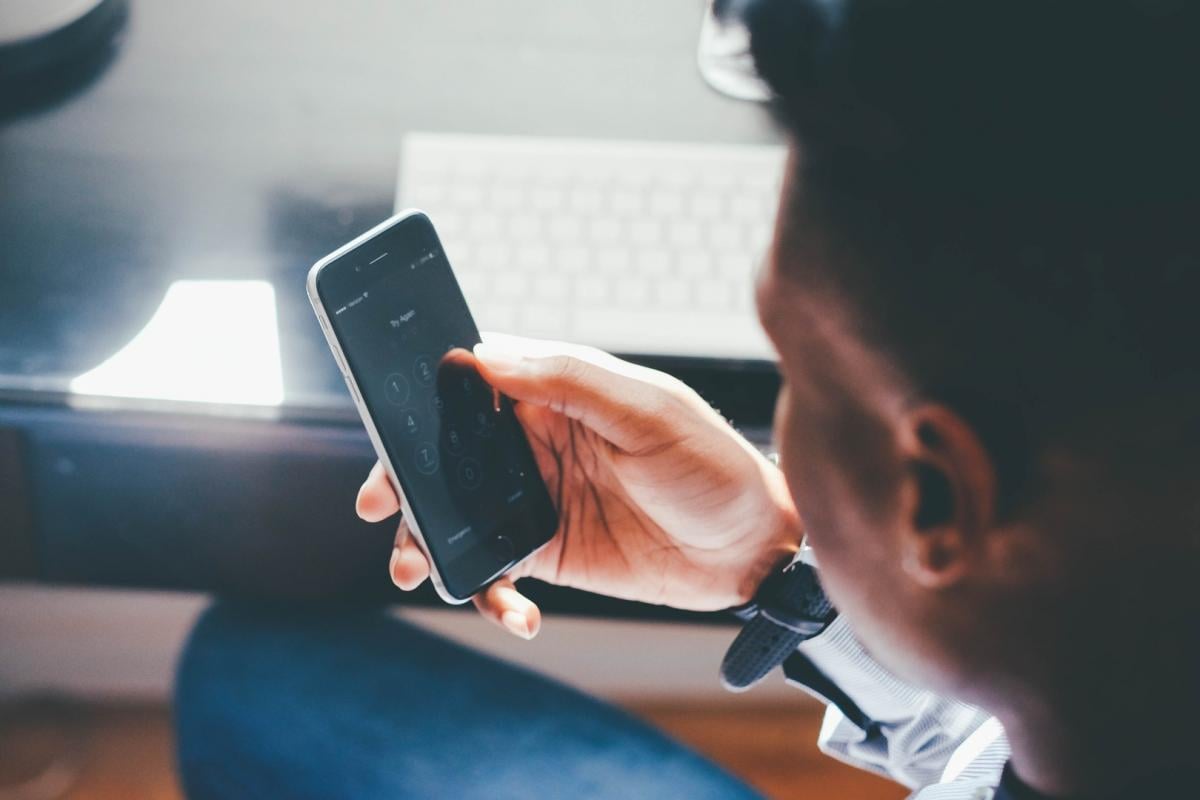
People who keep old text conversations, greetings and confessions from former partners on their phones may not simply be sentimental, according to a report by the Italian outlet Grazia. The habit, it said, is linked to a deeper need to preserve a sense of identity, emotional security and connection to important people from the past.
The claim is based on a series of six experiments published in the journal Emotion, led by psychologist Constantinos Sedikides of the University of Southampton. The research found that nostalgia strengthens people's sense of continuity of self: when people recall the past, they feel a closer bond with people who matter to them, along with greater stability and energy in the present.
Old messages can act as triggers for these memories, Grazia said, reminding people of those who once supported them, made them laugh, asked about their lives and were part of their daily routine.
Why it's hard to delete old chats even after a breakup
For many people, deleting an old conversation means far more than freeing up space on a phone. Digital items tied to important relationships can be experienced as part of a person's personal history.
Research into how people interact with technology, presented at an international academic conference in 2013, found that digital objects can become a kind of extension of a person's identity. Photos, emails and chat histories can produce an attachment similar to the one people feel towards physical gifts.
That is why, after a relationship ends, someone might easily get rid of an ex-partner's belongings but hesitate to delete a message history, Grazia said. Doing so can feel less like tidying a phone and more like erasing part of one's own past.
A similar idea underlies the "extended self" theory, proposed by Russell Belk, a marketing professor at York University in Canada. According to the theory, people can come to see not only physical possessions but also digital objects as part of themselves, so giving them up can feel like a symbolic loss of part of one's identity.
How old messages keep people connected to their past
Message threads can function as a kind of emotional archive, Grazia reported. Saved texts are a reminder that, at some point, someone supported a person, took an interest in them or stood by them during a hard time.
Sedikides's team found that nostalgic memories of people close to someone can strengthen their sense of belonging, the wholeness of their identity, and their vitality.
This can matter most during periods of uncertainty or loneliness, Grazia said. Rereading the last message from a relative who has died, or from a friend who has since lost touch, does not bring the person back, but it can briefly restore a sense of connection to that part of someone's life.
Psychologists stress that nostalgia is not simply sadness about the past. It combines pleasant and painful emotions, and helps people link earlier experiences to the present.
Saved chats as a form of control and protection
Psychologists point to several needs that may lie behind the habit of never deleting old chats, according to Grazia.
One is the need to belong to a particular circle of people. Messages such as "I'm with you", "on my way" or "I'm sorry" leave behind a concrete trace of care that someone can return to in lonely moments.
Another need is tied to building a personal history. Message histories help people recall events, conversations, arguments and breakups, and understand how they arrived at the point they are at now.
After a breakup or a serious argument, rereading old messages can help someone piece events back together, Grazia said. Some people keep chats with partners and ex-partners as proof of promises, agreements or things said during an argument.
In that sense, a smartphone becomes a kind of personal archive of evidence, giving a feeling of control and security.
However, if someone rereads old messages every day and each time feels only pain, anger or sadness, that can point to being stuck on the past, a state psychologists call rumination. Keeping old chats is not in itself a psychological disorder, Grazia noted; it only becomes a concern when the reluctance to delete anything spreads across many areas of life, clutters space and gets in the way of functioning normally.
Deciding which messages to keep and which to delete
Psychological research on voluntary forgetting suggests that improving wellbeing does not require wiping digital archives entirely, Grazia reported. It is more useful to selectively keep what supports a person and let go of memories that get in the way of moving forward.
Before deleting an important conversation, Grazia suggested asking three questions: does this exchange help me feel better or does it make things worse; does it help me understand myself today; and would I want to come back to these messages in a few years.
If a conversation holds valuable memories but still causes pain, it can be moved to a hidden archive or backed up rather than deleted outright. If it only feeds anger and sadness, Grazia said, a person can gradually say goodbye to those digital memories and delete them.
Test yourself
Who led the six-experiment study on nostalgia published in the journal Emotion?
What does Russell Belk's 'extended self' theory suggest?
According to psychologists cited in the article, what can signal a problem with keeping old messages?