

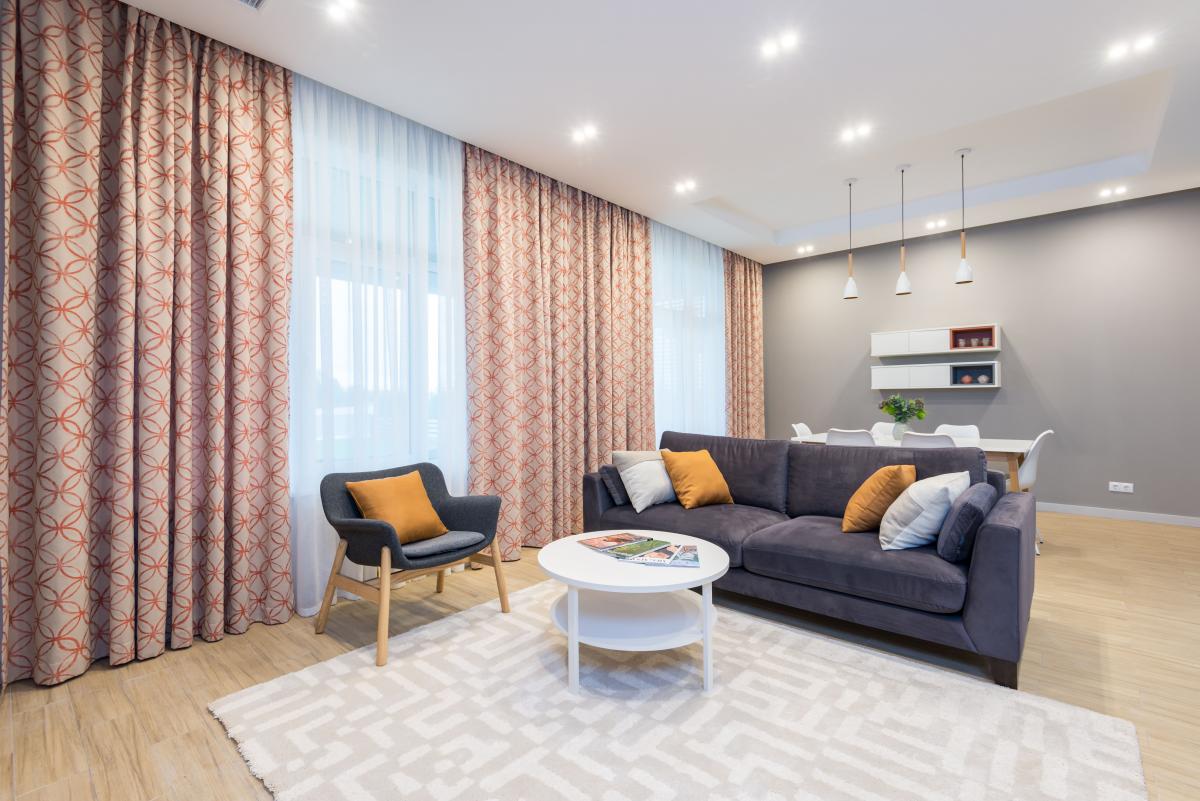
Window curtains have fallen out of fashion in modern home decor as interior designers reject heavy drapes in favor of lighter single-layer window coverings.
Designers consider traditional curtains impractical because heavy textiles accumulate dust and dirt, prove difficult to wash, and visually overcrowd compact living spaces.
For decades, multi-layered drapery comprising sheer voile and heavy portieres served as a standard decorative feature in residential architecture. However, contemporary interior trends have shifted toward cozy minimalism, prompting homeowners to select streamlined window treatments that provide solar protection without compromising spatial openness.
Frosted film options
Applying frosted film directly to glass offers the simplest method for blocking direct sunlight and preventing outside observation without installing hardware. The coating is inexpensive, easy to paste onto glass, and simple to clean, though it completely obstructs the outdoor view.
Because of its moisture resistance and opaque finish, designers recommend frosted film primarily for bathrooms, kitchens, and balconies. Homeowners seeking a balance between seclusion and ambient light often apply the film to only the lower half of a window pane, leaving the top section clear to admit skylight.
Roman and roller blinds
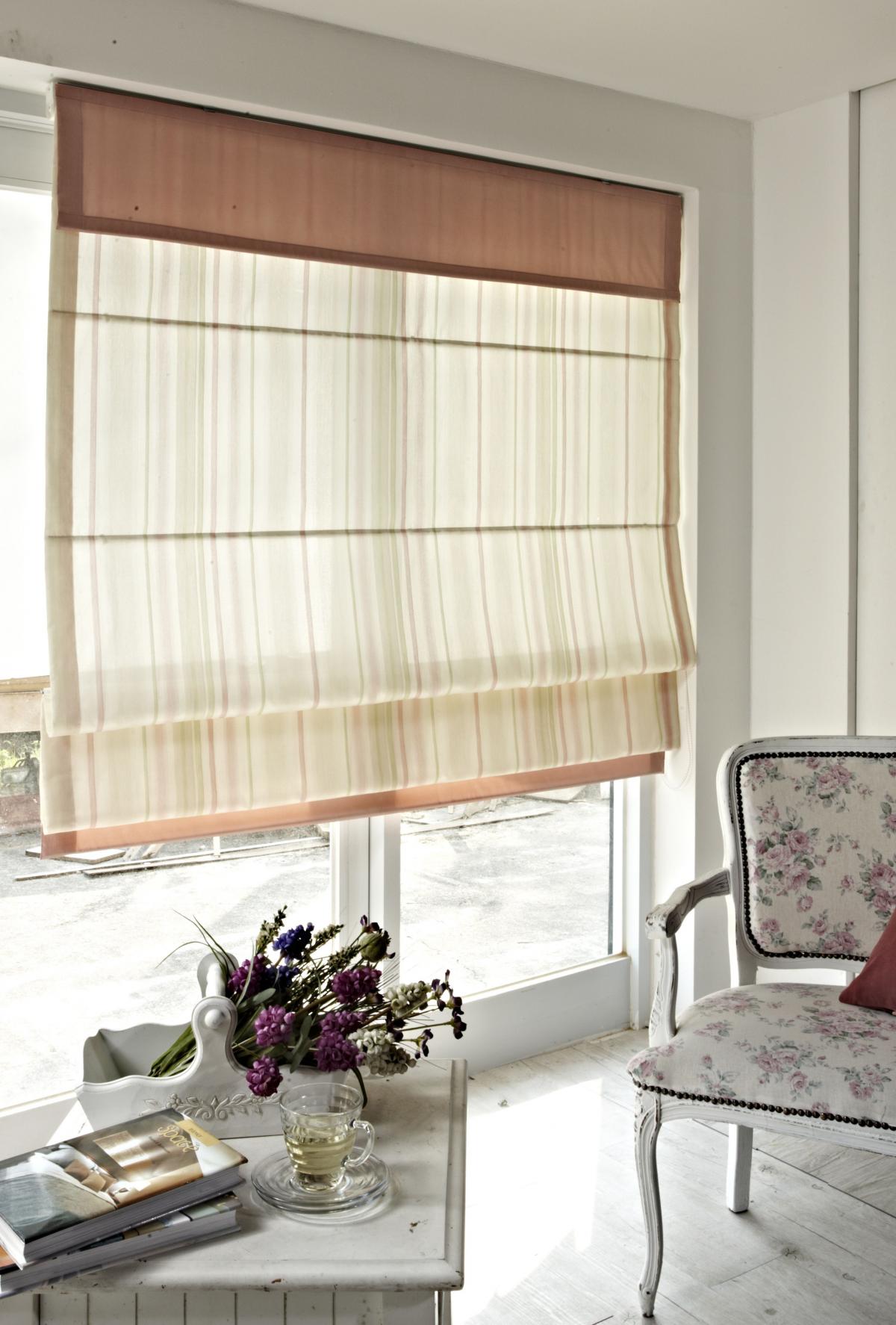
Roman blinds provide a compact fabric alternative that suspends from a curtain rod and gathers into neat horizontal rolls when raised. Unlike traditional hanging curtains that consume floor and wall space, Roman shades fit within the window frame. For installations lacking a curtain rod, models featuring hook-and-loop fasteners can be attached directly to the window frame.
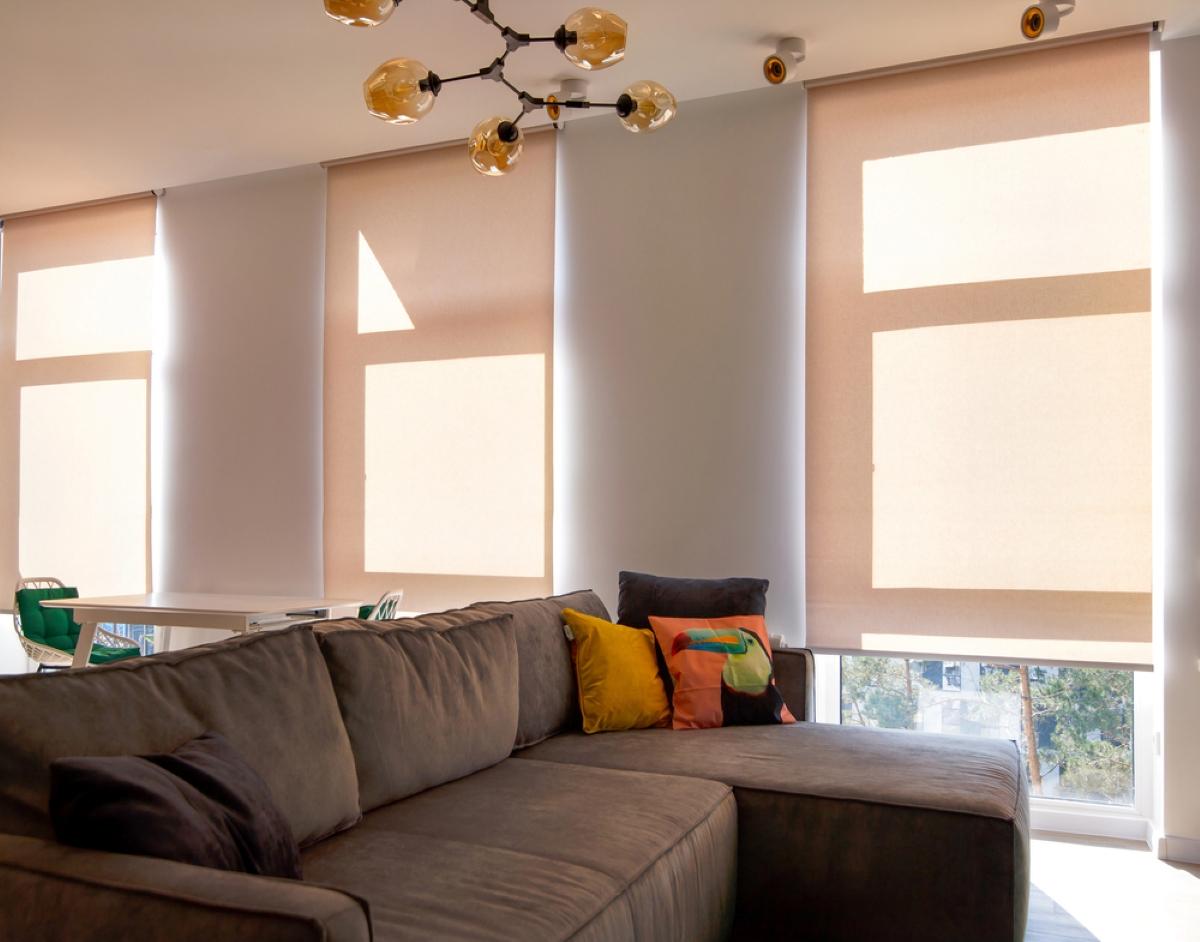
Solid roller blinds protect against sun exposure by winding a continuous sheet of fabric around a rotating cylinder mechanism. This compact fitting leaves the window sill fully accessible for storage or plants. The synthetic or treated fabrics resist solar fading and dust buildup, allowing light surface dirt to be wiped away by hand.
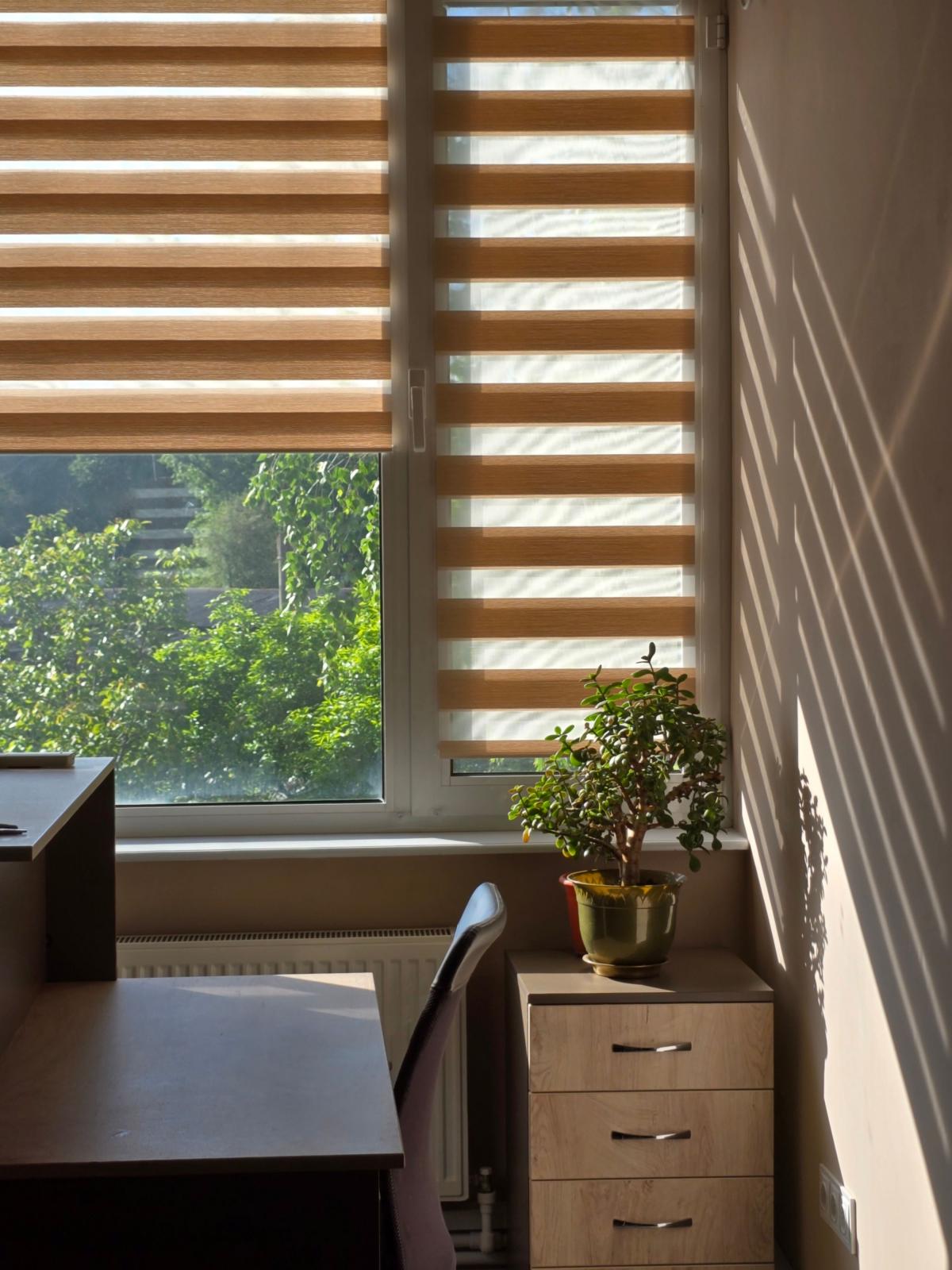
Adjustable roller blinds, also known as day-night blinds, refine this mechanism by alternating sheer transparent bands with solid opaque stripes across a double layer of fabric. By shifting the alignment of the stripes, occupants can adjust incoming light from soft diffused illumination to complete room darkness, making them suitable for bedrooms and living rooms.
Wooden and pleated shades
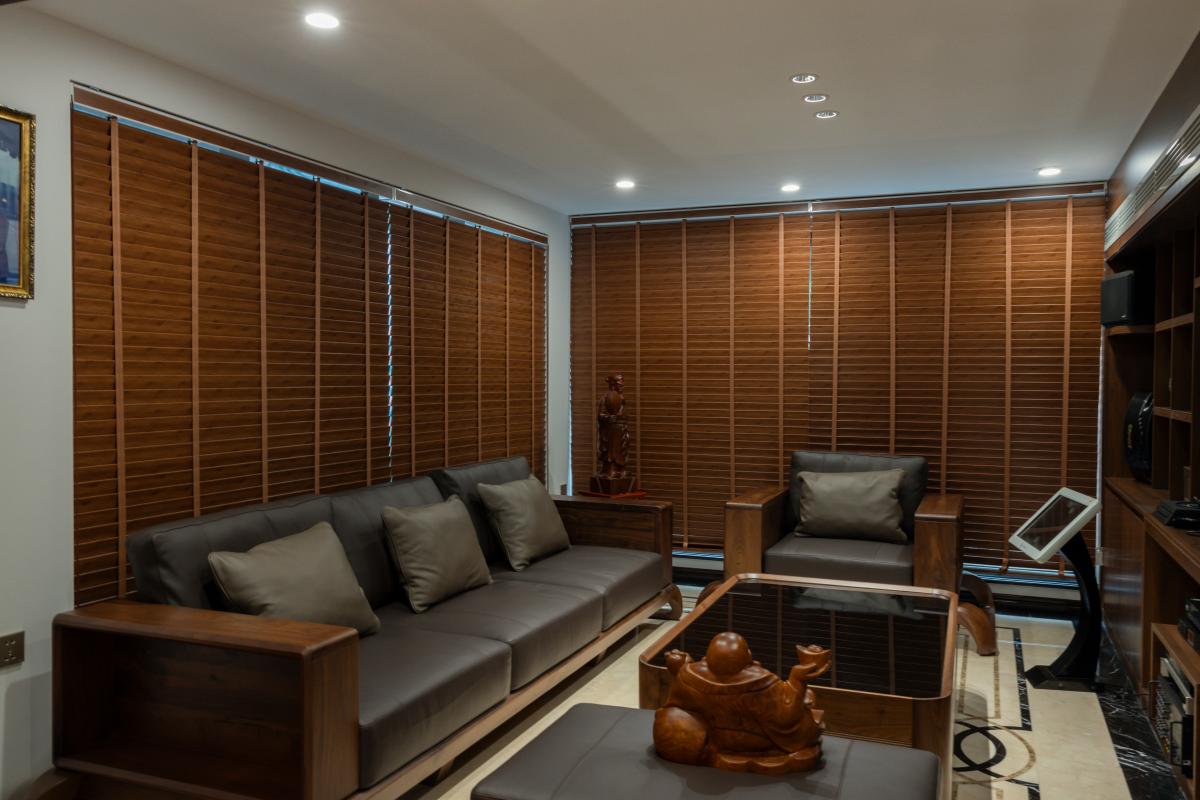
Wooden blinds offer an alternative for homeowners who want to avoid fabric curtains without giving their rooms the sterile feel of metal office blinds. Constructed from horizontal timber slats, these blinds provide effective sun protection and allow precise control over light angles, making them ideal for living rooms, dining areas, and home offices.
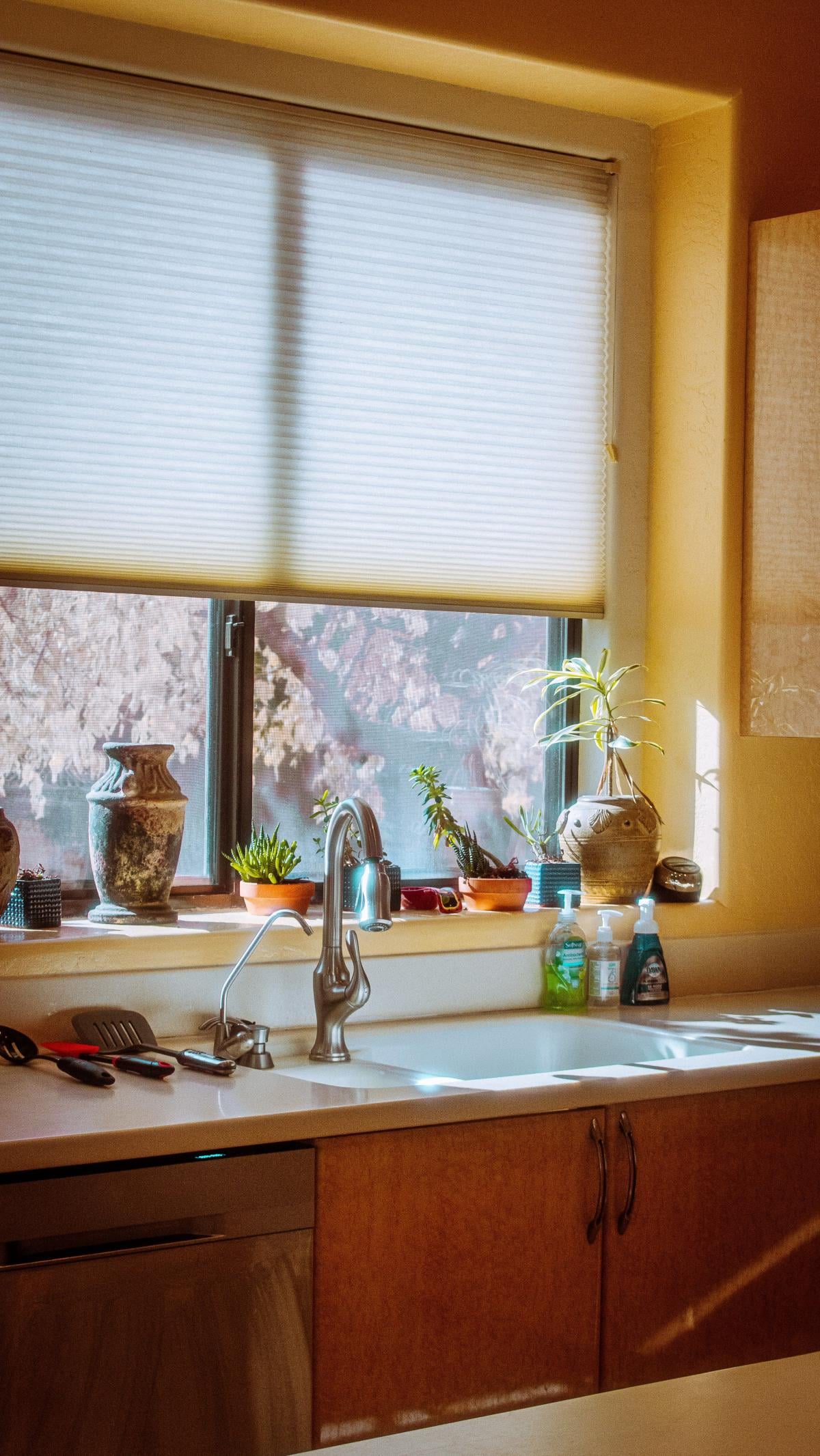
Pleated blinds represent another popular choice for modern window decoration. Constructed from a single continuous piece of pleated fabric, pleated shades collapse smoothly without the tilting, misaligning, or jamming often seen in traditional multi-slat blinds. Their clean appearance makes them suitable for kitchens, bedrooms, and children's rooms.


