
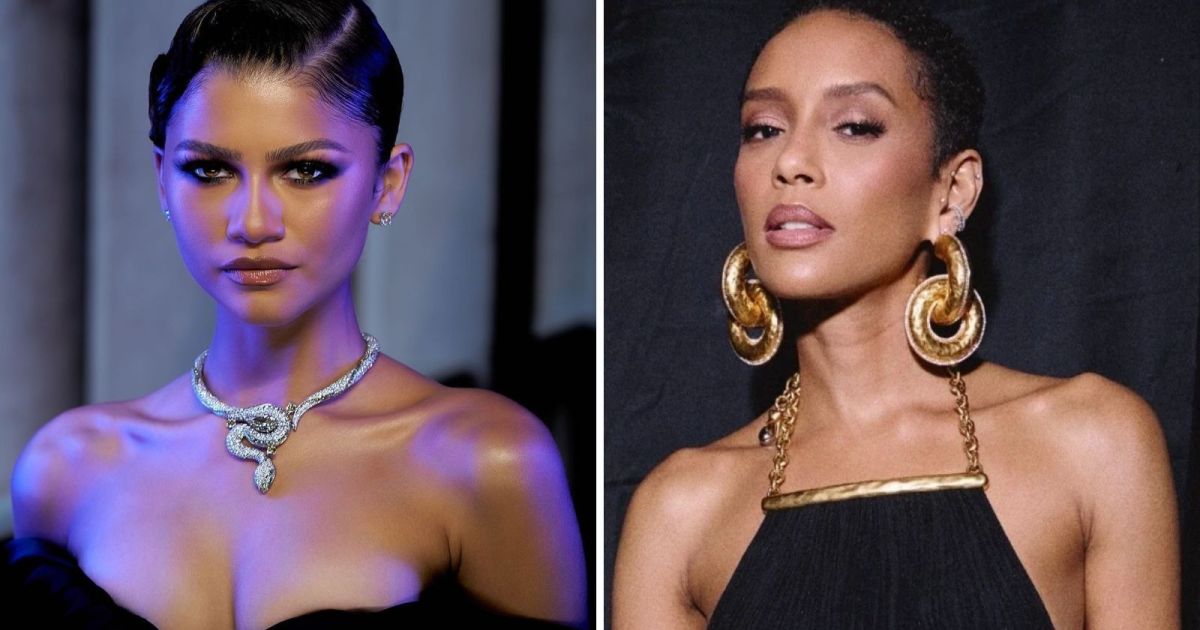
Zendaya, Rihanna and Brazilian actress Taís Araújo are redefining modern luxury fashion through personal authenticity, garment quality and precise tailoring rather than expensive designer logos.
Dr Maiara Kososki, a marketing professor and brand consultant, told CNN Brasil that true sophistication no longer depends on famous labels, prominent monograms, or clothing costing thousands of reals.
Rather than merely following trends, high-profile artists are using fashion as an expressive communication tool. Zendaya frequently favours conceptual and experimental looks, Rihanna embraces bold aesthetic freedom, and Araújo balances classic tailoring with contemporary designs.
Zendaya, celebrated for her acclaimed performances in Euphoria and Dune, has established herself as one of fashion's most inventive figures alongside longtime stylist Law Roach, as demonstrated at the 2025 Met Gala in New York.
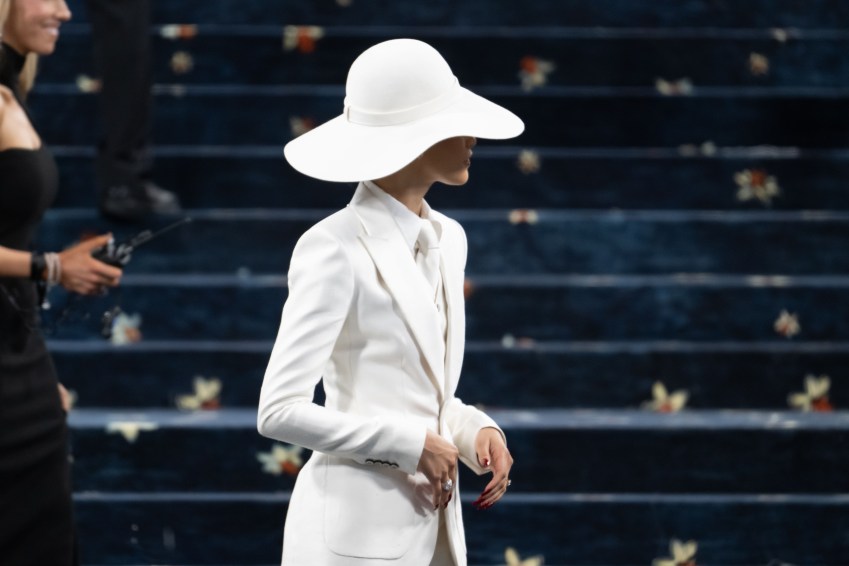
Rihanna, the billionaire founder of Fenty and nine-time Grammy Award winner, has repeatedly rewritten style conventions, including during the CFDA Fashion Awards at the American Museum of Natural History in New York.
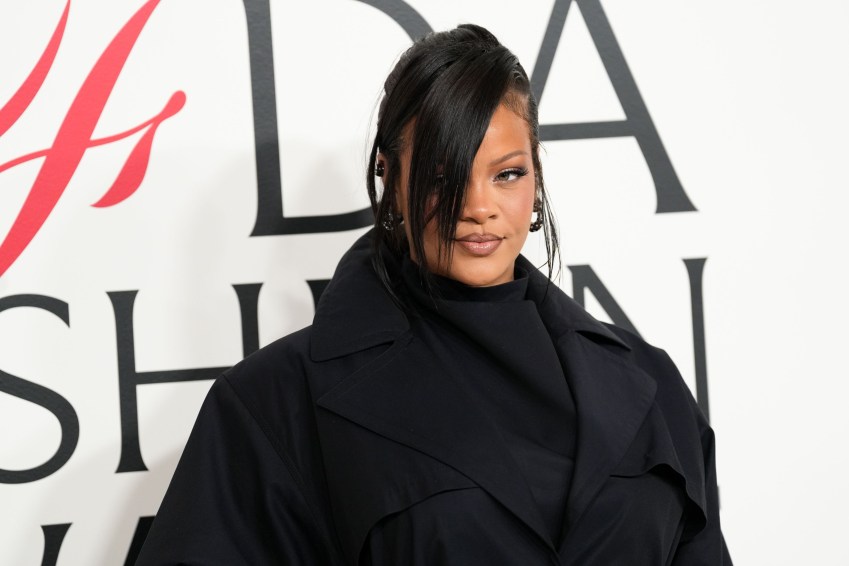
Kososki explained to CNN Brasil that while high society historically linked elegance to purchasing power, the modern perception of luxury has widened. A garment does not become sophisticated simply because it carries a steep price tag or a famous label, she said, pointing instead to an underlying aesthetic construction that unites quality, proportion, finishing, and alignment with the wearer's identity.
Araújo, celebrated for her groundbreaking starring roles in Brazilian telenovelas on TV Globo, has long used her public platform to champion Black representation and Brazilian fashion design, proving that personal identity anchors personal style.
The Mechanics of Expensive Dressing
In the luxury marketplace, consumers frequently equate high prices with sophistication, but Kososki emphasised that the two concepts are not identical. A designer piece represents a substantial financial investment, yet it can still fail to work in a specific outfit or flatter the wearer.
Garment fit plays the decisive role in whether an ensemble looks refined. Well-positioned shoulders, correct hem lengths, balanced proportions, and cuts suited to the individual body completely alter how an outfit is perceived. Fabric quality, internal structure, and careful finishing also shape the overall appearance and wearability of any garment.
Because of those mechanical details, simple wardrobe combinations can project remarkable refinement. A well-structured shirt, cleanly tailored trousers, and deliberately chosen accessories build an elevated aesthetic without relying on visible status symbols.
Kososki told CNN Brasil that clothing must work for the person wearing it. She noted that people often see an extremely costly garment that fails to flatter a silhouette or harmonise with someone's personality. Conversely, an accessible piece can convey immense sophistication when it features sound tailoring, remains in good condition, and is chosen with care, because price never replaces an aesthetic eye.
Celebrity Style and Red Carpet Storytelling
Celebrity influence remains powerful across the fashion landscape, but public appreciation now centres on visual identity rather than access to designer archives.
Zendaya exemplifies how fashion can transcend pure aesthetics to function as narrative storytelling. Her public appearances regularly engage with cinematic, historical, and artistic references, showing that true sophistication can emerge from creative experimentation.
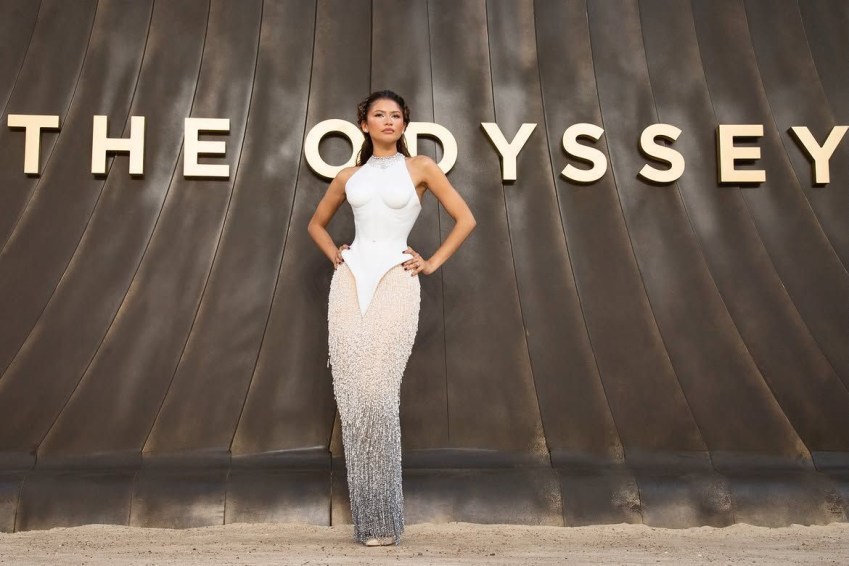
During the premiere of the film The Odyssey, Zendaya demonstrated how thematic styling can produce narrative depth while maintaining exceptional sartorial standards.
Rihanna has constructed a distinct fashion presence that challenges traditional conventions. By combining unexpected volumes, saturated colours, contrasting textures, and diverse references, she proves that elegance does not require minimalist restraint or quiet discretion.

During her third pregnancy, Rihanna made headlines by stepping out in an all-white futuristic look that highlighted her baby bump, reinforcing her reputation for boundary-pushing maternity wear.
Araújo provides a Brazilian benchmark for stylistic versatility. Her wardrobe transitions between sharp tailoring, dramatic statement pieces, and modern silhouettes, demonstrating how varied aesthetics can coexist within a consistent personal image.
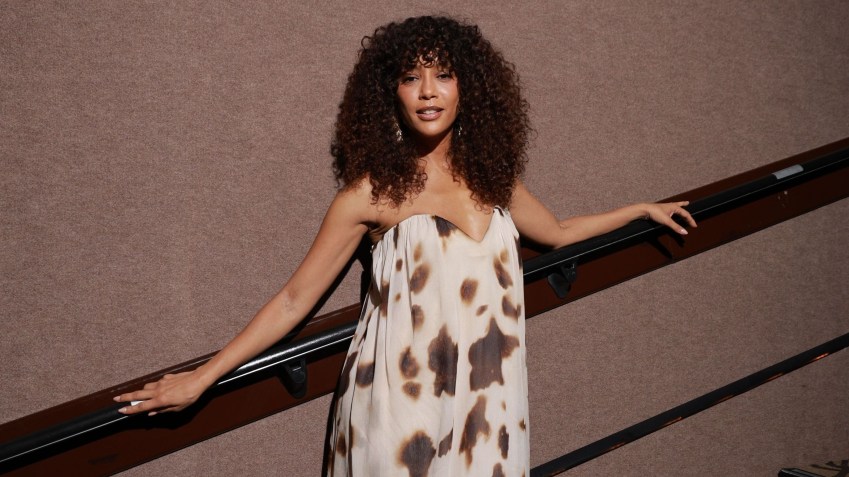
Kososki noted that observing these three women shows there is no standard formula for great style. What makes their public image compelling is consistency, she said, explaining that none of them needs to copy passing trends to earn recognition. Instead, each holds a distinctive visual signature and a personal way of interpreting fashion, which Kososki described as far more interesting than simply wearing whatever is popular.
The Rise of Quiet Luxury and Subtle Status
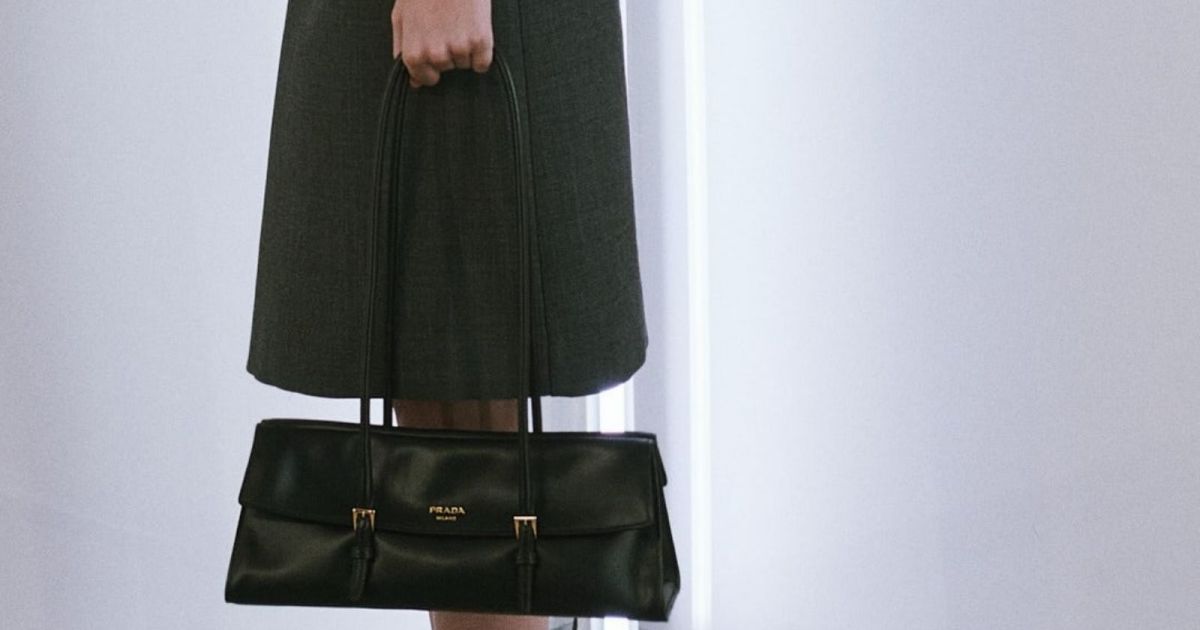
For decades, visible branding served as the primary currency of luxury fashion. Prominent monograms, recognisable designer handbags, and logo-heavy accessories from historic European fashion houses offered immediate proof of social standing.
That dynamic has evolved as discretion gains ground through the rise of quiet luxury. This aesthetic prioritises premium materials, precise cuts, refined finishing, and minimal brand exposure, reflecting a shift in how discerning consumers choose to signal exclusivity.
Kososki noted that this shift does not mean fashion has abandoned boldness or that striking pieces have lost relevance. Instead, status codes have expanded. Sophistication can now reside in an instantly recognisable accessory or in a subtle construction detail that goes unnoticed without close inspection.
Kososki observed that social recognition no longer depends on obvious logos. With appreciation growing for less conspicuous qualities such as textile craftsmanship and bespoke cuts, Kososki explained that luxury does not vanish when branding disappears because it often lives in details that do not need to be broadcast.
Developing Personal Style in Fast Trend Cycles
The dominance of social media has dramatically accelerated trend cycles, allowing aesthetics to achieve global popularity in days and vanish just as quickly.
In this rapid environment, cultivating personal style allows consumers to build a more conscious relationship with fashion. Kososki stressed that the aim is not to ignore trends, but to select items that genuinely suit an individual's personality, routine, and preferences.
A sophisticated wardrobe does not require an immense collection or a closet of plain basics. Kososki explained that having style means cultivating the discernment to make thoughtful choices rather than buying every trend or sticking solely to traditional garments.
When people understand which colours, silhouettes, and proportions work for their identity and lifestyle, Kososki said, they stop relying on outside validation and consume with purpose.
Garment care, multi-season versatility, and fabric durability also shape this dynamic, with long-term wearability forming an essential part of perceived luxury value.
Authenticity as the True Measure of Elegance
The evolving fashion landscape demonstrates that elegance cannot be reduced to a single rigid formula. Price, heritage, exclusivity, and subtlety all play a role, but none of them determines sophistication on its own.
Refinement can appear in precise tailoring, fabric quality, balanced composition, or the way someone incorporates aesthetic references. It can equally emerge from an expressive outfit that uses bold volumes and rich colours to build a distinct personal language.
Kososki told CNN Brasil that true sophistication occurs when someone does not look as though they are wearing a costume of someone they wish to be. Authentic elegance allows an individual to embrace references, wear quality garments, and engage with fashion without losing their core identity, Kososki concluded, noting that clothing must communicate who someone is rather than simply how much they can spend.