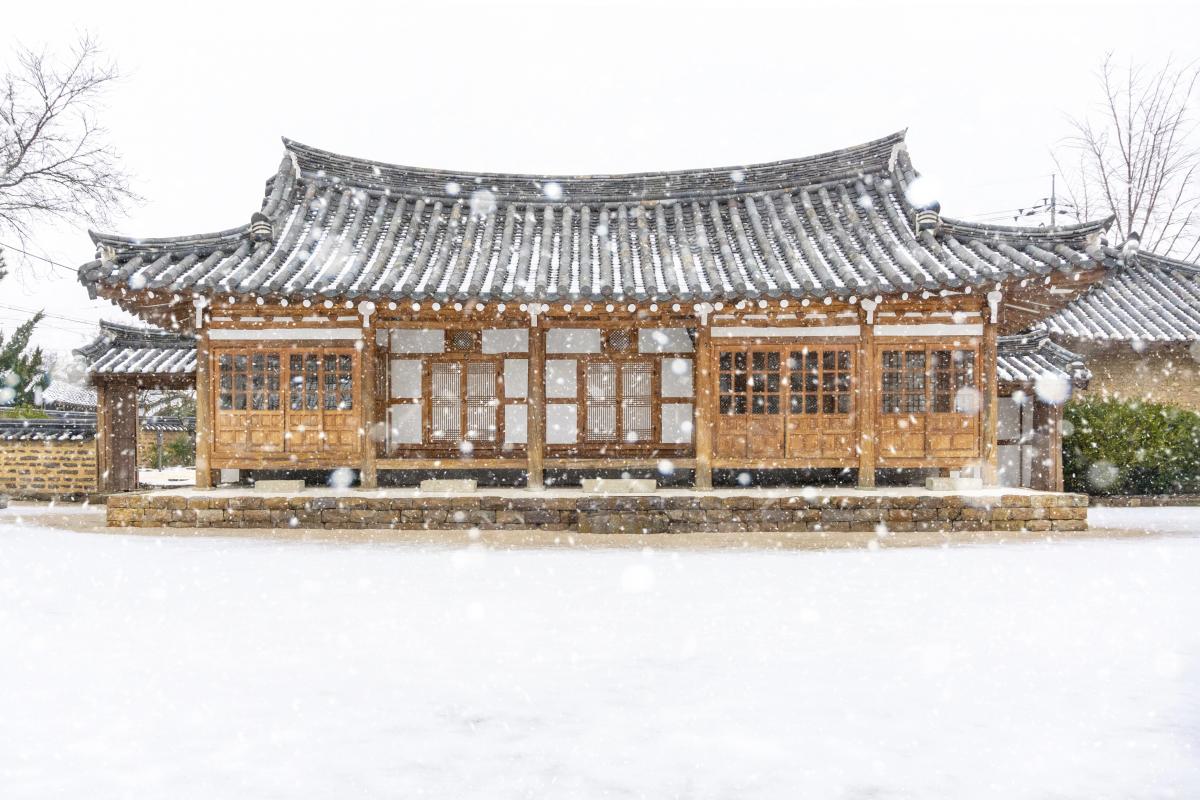
An ancient Korean heating technique known as ondol, first developed more than 2,000 years ago, is being credited with helping modern homeowners cut their heating bills without relying on traditional radiators, according to the Polish outlet Fakt.
The system, whose name translates literally as "warm stone," was created by people on the Korean Peninsula to keep homes warm long after the fire that heated them had gone out. Archaeological evidence of the technology dates back to the third to first centuries BC, meaning the underfloor heating method is now more than two millennia old.
How the ancient system worked
In traditional Korean homes, heat came from burning wood in a hearth that was sometimes also used for cooking. Hot smoke travelled through channels built under the floor, heating stone slabs before escaping outside through a chimney.
The key advantage was the stone's ability to store heat. Even once the fire had died down, the warmed floor kept releasing energy and heating the room.
The system originally covered only parts of a room, but over time the heating channels were extended under the entire floor. Ondol spread especially widely during the Joseon dynasty, one of Korea's major historical royal dynasties.
The warm floor also shaped how homes were furnished. People slept, rested and ate on it, using low furniture and foldable mattresses instead of tall tables and conventional beds. Some of these habits have survived into the present day.
In modern Korean homes, heated floors are still common, but the old smoke channels have been replaced with pipes carrying hot water beneath the flooring.
Can underfloor heating actually save money?
According to Fakt, because underfloor heating covers such a large area, it can work effectively at a lower water temperature than many conventional radiators need.
That is particularly useful with heat pumps, since the lower the temperature of the water in a heating system, the more efficiently the equipment generally runs. Underfloor heating is also compatible with condensing boilers.
However, installing underfloor heating on its own does not guarantee lower bills. Costs depend on how well the walls, roof and floor are insulated, how airtight the windows are, the type of heating equipment used, the temperature of the water in the system and the flooring material itself.
Fitting such a system into an already-built house can also require major floor renovation work, which is why it is most often installed during new construction or a major renovation.
It is possible to do away with radiators entirely if the underfloor heating is designed to cover all of a building's heat loss, including during severe cold.
The ancient Korean technology shows that heating a room through a large, warmed surface is far from a new idea. Over two thousand years, the materials and technology have changed, but the basic principle has stayed the same.
Test yourself
How old is the ondol heating system, according to archaeological evidence?
What did the original ondol system use to heat stone slabs under the floor?
Why is modern underfloor heating well suited to heat pumps?