


Madrid pizzeria Baldoria has secured a top ranking among European pizzerias in 2026, maintaining its status as Spain's leading Neapolitan pizza establishment.
The restaurant, located at José Ortega y Gasset 100 in Madrid's Salamanca neighborhood, is directed by founder and head chef Ciro Cristiano, a native of Naples who established the venue as a culinary tribute to his hometown.
Writing for Spanish newspaper La Razón, food writer Andrés Sánchez Magro reported that Baldoria earned international acclaim by treating pizza making with the discipline and gravity typically reserved for fine wine, bullfighting, or football.
European ranking and recognition
Sánchez Magro noted that Baldoria's high position among top European pizzerias in 2026 reflects a sustained commitment to traditional Neapolitan pizza standards rather than a temporary trend.
The establishment serves as an essential reference point for Neapolitan gastronomy in Spain. Located in the capital's upscale Salamanca district, known for high-end dining and luxury boutiques, the restaurant brings authentic southern Italian culinary techniques to Madrid.
Forty-eight hour dough process
According to the publication, the kitchen at Baldoria prepares its pizza dough using imported Italian flour combined with a biga pre-ferment.
A biga is a traditional Italian dry starter that ferments over time to enhance flavor complexity and create a light, porous structure in baked crusts. The dough at Baldoria undergoes forty-eight hours of total fermentation and resting before it is ready for baking.
The prepared dough is cooked in an authentic Neapolitan Acunto oven that reaches cooking temperatures of 420 degrees Celsius.
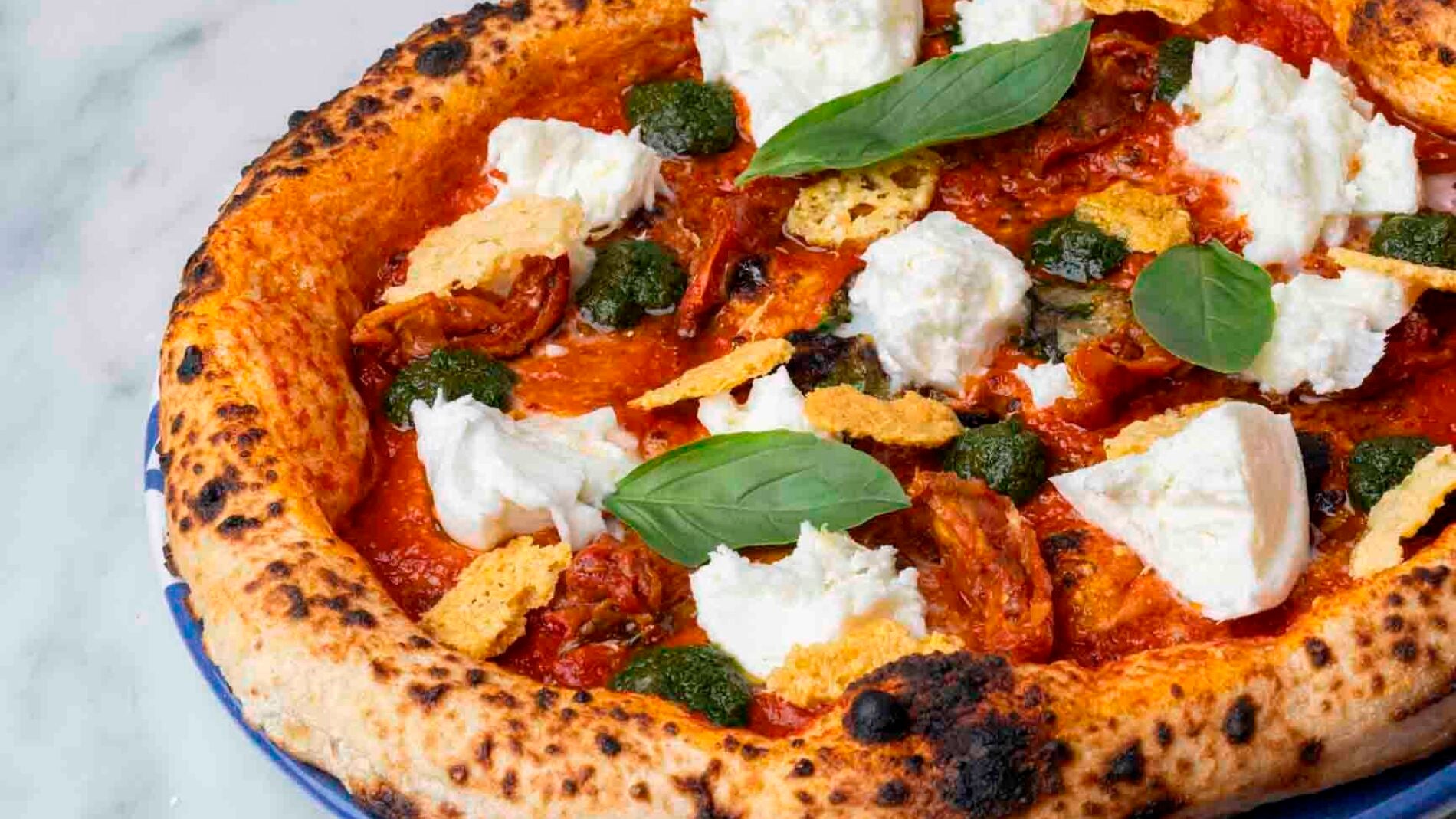
Handcrafted in Naples using heat-retentive volcanic stone, Acunto ovens cook pizzas rapidly at high heat. Sánchez Magro observed that this intense heat transforms the patient dough into a light, airy crust with puffed edges capable of holding toppings without becoming dense.
Artisan culinary philosophy
The report traced the history of Neapolitan pizza from its origin as humble street food created in Naples to satisfy local working-class families before becoming globally popular.
Sánchez Magro explained that while widespread commercialization has created low-quality versions of the dish, authentic Neapolitan pizza is a popular ceremony relying on flour, water, yeast, patience, and craft.
He noted that a quality pizza does not begin with tomato sauce or mozzarella cheese, but begins much earlier when the dough is allowed to rest. Baldoria aims to elevate traditional street food into high culinary art while preserving the playful experience of eating pizza by hand.


