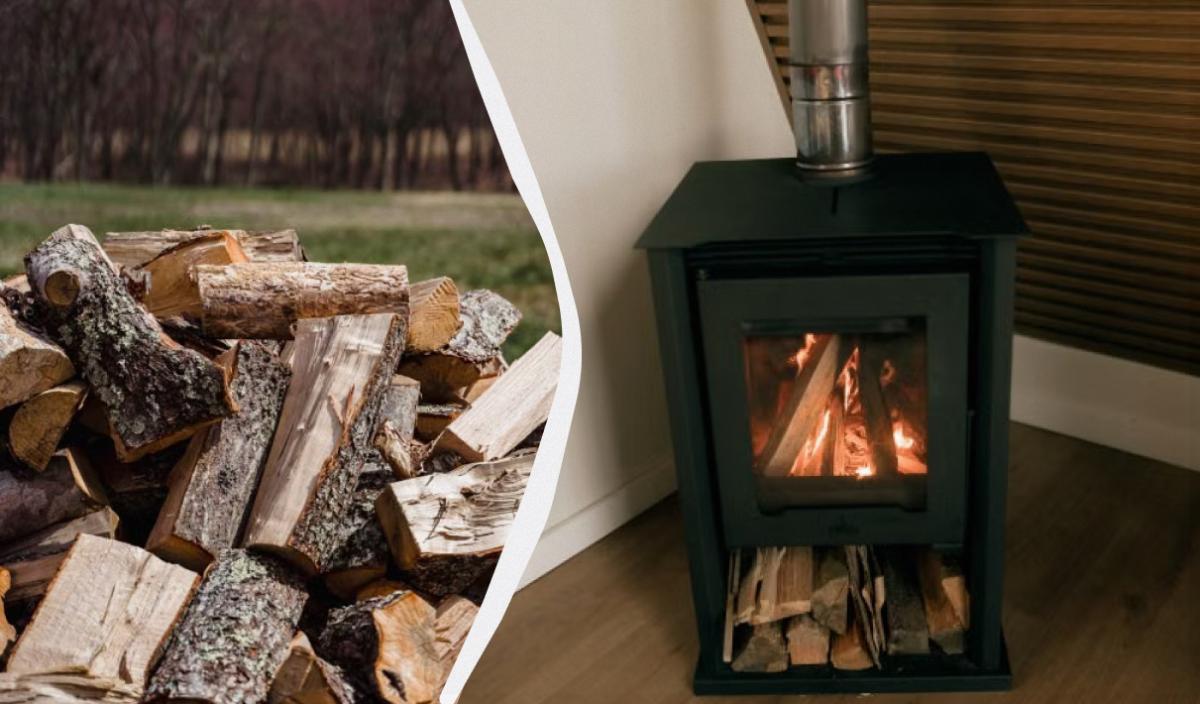
People without central heating who rely on a fireplace or wood stove should be careful about which logs they burn, according to the Polish outlet Zielony Ogrodek, which says that not all wood is suitable for home heating even though it can be bought or gathered for free in a forest.
The outlet said good firewood for a stove or fireplace should be dry, split into several pieces, and sized to fit the firebox. Wood showing signs of rot or mould should never be used.
Zielony Ogrodek warned that buyers should not simply take a seller's word for it when purchasing firewood, since logs marketed as suitable for fireplaces or stoves can turn out to be unusable. The outlet said the moisture content of good firewood should not exceed 20 percent.
Why damp wood causes problems
According to Zielony Ogrodek, damp logs burn poorly because they spend part of their energy drying out before they start giving off heat. That means less usable warmth, more smoke, and a greater buildup of deposits and soot inside stove and fireplace flues.
Best wood types for fireplaces
For fireplaces, the outlet said hardwoods are most commonly chosen, including hornbeam, beech, oak, ash and birch. Denser wood species generally burn more slowly and hold their heat for longer.
Zielony Ogrodek noted that the price of a bundle of firewood depends not only on the species of tree but also on how far the wood has been prepared. Whole, unsplit logs cost less, as does wood that still needs to be dried before use, while ready-to-burn, dried hardwood logs cost more.
What about softwood?
The outlet addressed a common warning found online that fireplaces and stoves should never be fuelled with wood from coniferous trees, saying this is not entirely accurate. Softwoods contain more resin and tend to burn faster, which can lead to a heavier buildup in the firebox and requires closer attention, but Zielony Ogrodek said this does not mean conifer wood cannot be used at all. It recommended following the guidance provided by the manufacturer of the specific stove or fireplace being used, since manufacturers typically specify which wood is best suited to their appliance.
How to store firewood properly
Zielony Ogrodek said even good-quality firewood can be ruined by poor storage. A wood store should be raised off the ground, shielded from rain and snow from above, and kept well ventilated.
The outlet advised against wrapping logs tightly in a tarpaulin, warning that in a storage area with high humidity this can allow fungus to develop on the wood. Instead, it said, firewood should be stacked in a way that allows air to circulate freely between the logs.