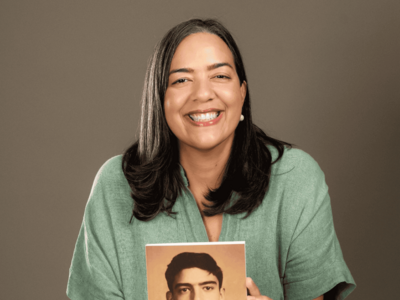
Dominican writer Ericarol Carlo will present her new book, "El incendiario. La historia de mi padre, la memoria de un país" (The Arsonist: My Father's Story, A Country's Memory), on Wednesday, November 25, 2026, at 6:30 p.m. at Cuesta Libros in Santiago de los Caballeros.
The book weaves the testimony of her father, Roberto Carlo Gómez, together with her own memories of growing up with the consequences of Rafael Leónidas Trujillo's dictatorship.
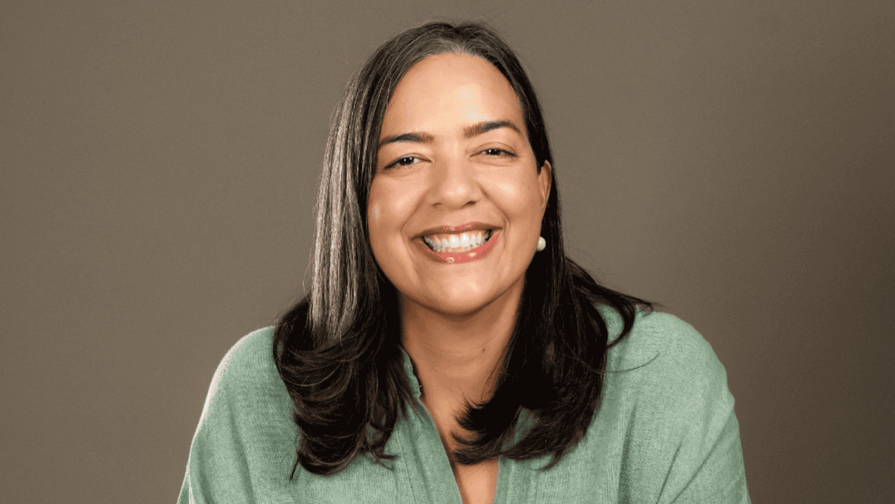
In 1959, at just 17 years old, Roberto Carlo Gómez joined La Nueva Trinitaria, a clandestine group of twelve young men who set out to confront the Trujillo regime. Known as Los Incendiarios, or The Arsonists, its members were hunted by the dictatorship's repressive agencies. Roberto Carlo was imprisoned and tortured at a detention centre known as La 40, experiences that left a deep mark on his life.
A daughter's recording
In 2015, his daughter decided to record him as he recounted those events. She had listened to the stories for years and wanted to preserve his testimony in the hope of one day making it known. Those recorded conversations became the starting point for a book in which the author tells what she heard, what she lived through, and what she came to understand about her father and her own family.
The book credits two newspaper articles, published independently by historian and writer José del Castillo Pichardo and by Reynaldo Espinal, as key antecedents that helped bring the story of Los Incendiarios to light. Carlo continued the path opened by both writers, expanding the account from an intimate, personal angle in which the country's history meets a family's memory.
The human cost of repression
Beyond the political events, "El incendiario" examines the human consequences of repression and reflects on the wounds that can remain in those who survived prison and torture, as well as in their children and descendants. Carlo said the writing process also led her to understand aspects of her family's history that she had long been unable to explain.
Carlo said she began writing the book to honour her father and fulfil his wish that his story be known, but that while writing she realised there was another story that also needed telling: the one about the consequences those experiences left on their family.
A story across generations
One of the book's significant moments is the participation of Luis Salvador Estrella, known as Luichy, the son of Salvador Estrella Sadhalá, one of the men who took part in the killing of Trujillo. In a conversation with the author, Estrella shares his perspective on what those years meant for the families of those who stood against the dictatorship. His testimony closes the book and offers another filial view of the events that shaped Dominican history.
This encounter between the experiences of two descendants shows that the consequences of the dictatorship did not disappear with the end of the regime. For many families, they lived on in memories, silences, absences and the relationships between generations.
The book is also a tribute to the young people who dared to confront the dictatorship, and an invitation to reflect on those who still live under authoritarian regimes and face persecution for expressing their ideas today.
Father's testimony to be released on YouTube
As part of the project, Carlo is sharing an audiovisual testimony of Roberto Carlo Gómez, recorded in 2015, in which he recounts his experiences during the dictatorship in his own words. The original, unedited recording, along with a series of selected excerpts, will let audiences hear the voice of one of the story's protagonists directly. It will be released on YouTube on the same day as the book launch.
Launch in Santiago de los Caballeros
The launch of "El incendiario. La historia de mi padre, la memoria de un país" will take place on Wednesday, November 25, 2026, at 6:30 p.m. at Cuesta Libros in Santiago de los Caballeros.
During the event, Carlo will talk with attendees about the origin of the book, what it was like to write about her father, and what it means to pass on to new generations a story that belongs both to her family and to the Dominican collective memory.