


Former Spanish television presenter Eva Nasarre turned 66 on Thursday, having transformed from an 1980s aerobics icon into a prominent activist for disability rights.
Nasarre, who uses a wheelchair due to severe rheumatoid arthritis, serves as a spokesperson for the Platform in Defence of the Dependency Law while living in the Madrid suburb of Tres Cantos.
Tres Cantos, a municipality situated north of the Spanish capital, is where Nasarre resides while continuing her advocacy work. Her platform represents individuals relying on Spain's landmark dependency legislation, which establishes public support for citizens who require assistance with daily living activities due to illness, age, or disability.
In recognition of her dedicated civil advocacy, Nasarre received the Ana Tutor Award in 2015. The annual municipal distinction in Madrid honours individuals and organizations demonstrating exceptional leadership in advancing women's rights, promoting gender equality, and combating social discrimination.
Television career and aerobic fitness fame
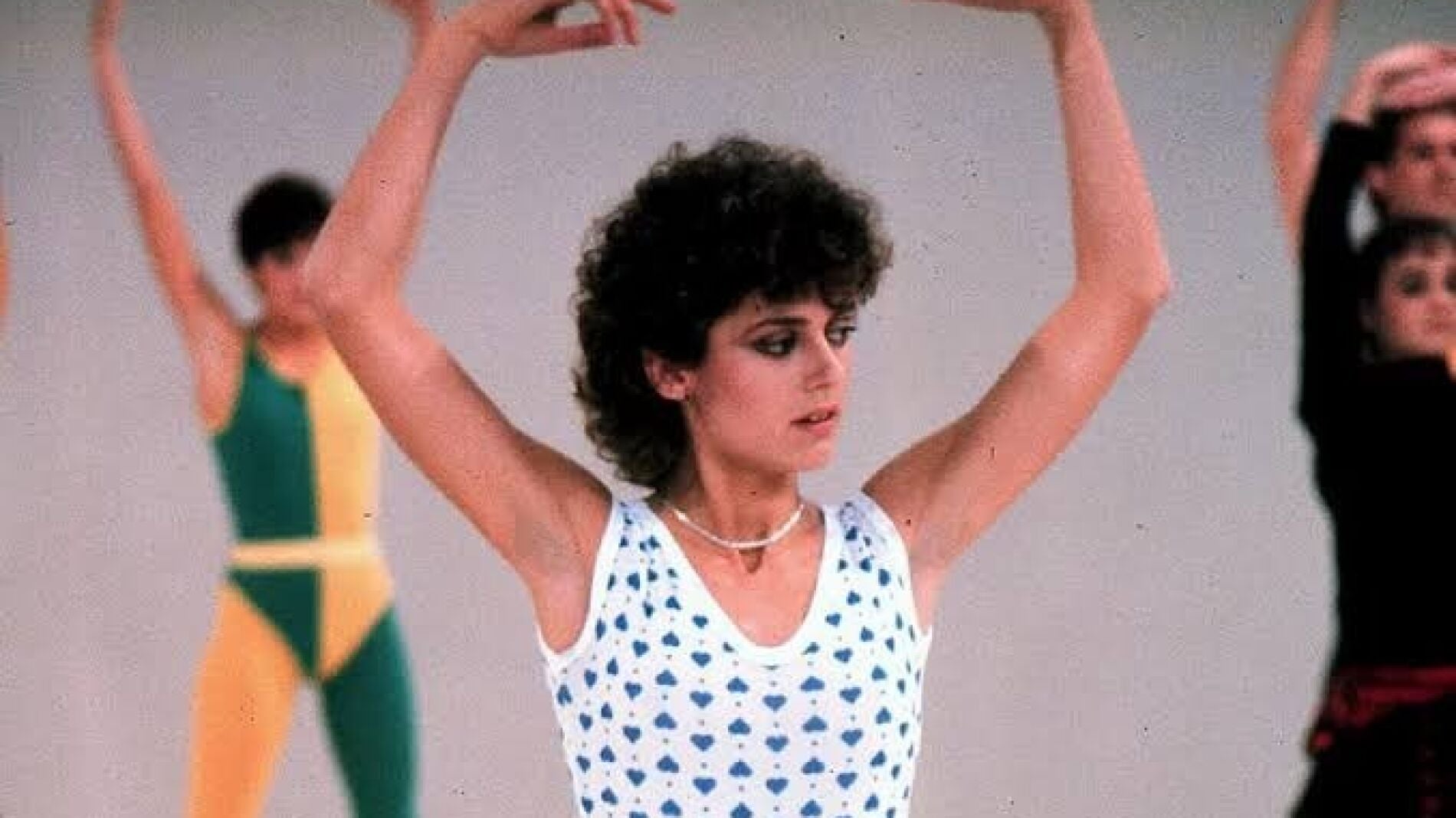
Nasarre first rose to national prominence on 3 October 1983 with the premiere of her television fitness show Puesta a Punto on Television Espanola. Born Eva Nasarre Vendrell in the Catalan city of Lleida on 20 August 1960, she was selected to lead the workout broadcast despite having no prior experience before the camera.
Working as an aerobics instructor, Nasarre guided viewers through daily physical routines alongside a troupe of background gymnasts. Her natural screen presence quickly won over audiences during a period of major modernization across Spain's public broadcasting network under its then director general, Jose Maria Calvino. Television Espanola, the state broadcaster established in 1956, was revamping its schedule to reflect changing social lifestyle trends.
Within a single year, Puesta a Punto became the second most watched self produced show on TVE's second channel, La 2, trailing only the popular intellectual debate programme La Clave. In 1985, network executives moved the fitness show to the main channel, TVE-1, integrating it into the morning magazine container Buenos Dias, which marked the official launch of regular morning television in Spain. Renamed En Marcha, the segment continued broadcasting until TVE removed it from the schedule in 1986.
During her television career, Nasarre became one of the most recognizable figures in Spanish pop culture, encouraging public physical exercise long before health awareness became mainstream. Her daily workout routines and signature fashion of leotards and leg warmers made her a defining symbol of 1980s Spanish culture. Her widespread popularity led to frequent magazine cover features, extensive news reports, and commercial advertising campaigns.
Diagnosis of severe rheumatoid arthritis
Nasarre's public life took a dramatic turn in 1999 when doctors diagnosed her with severe rheumatoid arthritis. The condition is a chronic, degenerative autoimmune disorder in which the immune system mistakenly attacks the body's joint tissues, causing systemic inflammation, severe chronic pain, joint stiffness, and progressive loss of physical mobility.
The progression of the illness resulted in a formally recognized physical and motor disability, forcing Nasarre to rely on a wheelchair for daily mobility. Rather than withdrawing entirely from public life, she redirected her remaining energy toward campaigning for the rights of disabled citizens and those requiring long term care services.
Personal life and family challenges
Throughout her life, Nasarre has maintained a strict boundary surrounding her private affairs. She was previously married to Chema Alvarez, but the union ended after a period marked by persistent domestic conflicts and bitter mutual accusations. According to reports from the time, the emotional strain of the divorce contributed to a deterioration in her physical health. The marriage produced one child, her son Joan Marc, who has since had children of his own, making Nasarre a grandmother.
Social media commentary and public defense
Although she lives away from public media attention, Nasarre continues to use her social media account on X to voice her opinions on issues of social justice and public perception. In recent posts, she commented on public attitudes toward international sports competitions, criticizing observers who diminish the achievements of athletes who secure Olympic diplomas.
Nasarre stated that finishing among the top eight competitors in the world represents a major privilege rather than a failure, highlighting the years of intensive training, personal sacrifice, and physical injuries required to reach that level. She remarked that criticizing elite athletes from the comfort of a sofa was effortless, noting that she only offers public commentary on subjects she understands firsthand.
Addressing her followers on social media, Nasarre disclosed that she has been subjected to frequent insults and online harassment on the platform. She explained that her health remains her paramount priority and that she operates with limited physical strength. Asking the public to understand her physical constraints, she asserted that she will not remain silent when standing up for causes she considers just and necessary.


