A family living on the outskirts of Toulouse, France, discovered a painting in their attic that had sat untouched for at least a century, and experts later suggested it could have been painted by the Italian master Michelangelo Merisi da Caravaggio. The work was eventually valued at between 100 million and 150 million euros, though its authorship remains disputed, according to Antena 3 CNN.
The find was made in April 2014. The homeowners had called in an auction specialist to assess old belongings stored in the house, among clothing, tableware and family heirlooms. The expert spotted a canvas propped against a wall, covered in dust and cobwebs.
The family had not regarded it as a valuable piece of art. It was only after specialists examined the canvas that its potential historical and financial importance became clear.
A painting burglars overlooked
Auction expert Marc Labarbe said that burglars had broken into the house some years earlier and made off with various items, including bottles of perfume, but had not noticed the painting. The canvas, overlooked among old objects for years, would later become the focus of intense attention from art historians and collectors.
Why the painting is linked to Caravaggio
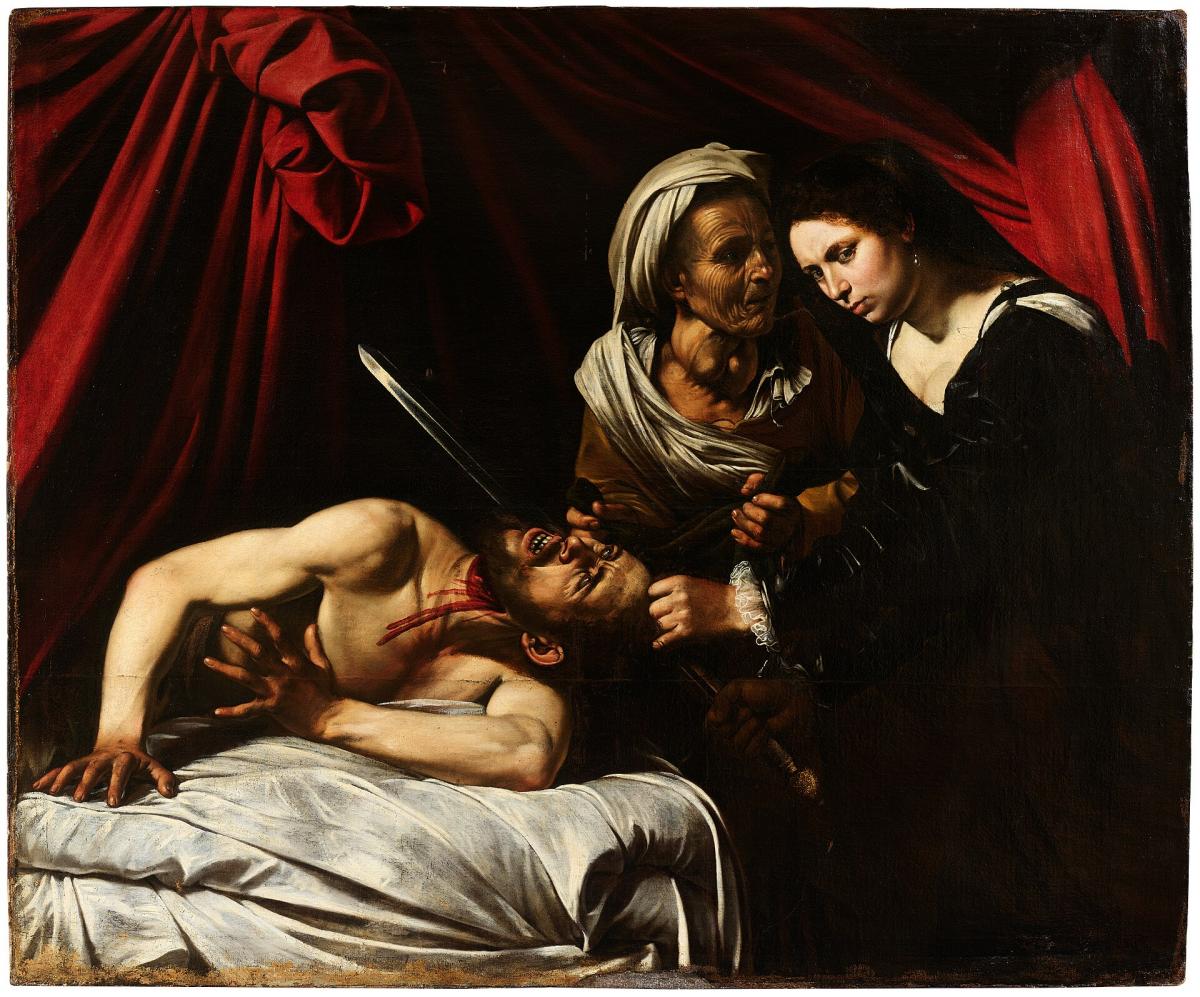
The work is titled "Judith and Holofernes" and depicts the biblical scene in which Judith beheads the Assyrian general Holofernes.
French painting specialist Eric Turquin suggested the canvas could be a second version of Caravaggio's treatment of the subject, created around 1607. The Italian painter had already depicted the same scene around 1600 in another work, now held at the Palazzo Barberini in Rome. In the painting found near Toulouse, the composition differs, showing Judith directly in the act of beheading the general.
Turquin pointed to the handling of the image, the use of light and the technique as features he considered characteristic of Caravaggio's style. He also suggested the find could be the same lost painting referred to in historical documents.
Not all researchers agreed with that conclusion. Some believe the artist could instead have been the Flemish painter Louis Finson, known for copies and works inspired by Caravaggio. Others acknowledge the painting's high artistic quality without accepting that Caravaggio's authorship has been proven.
The canvas was examined using X-rays and other technical methods. The analysis clarified details of how the work was made but did not settle the question of authorship.
Valued at up to €150 million, but sold in secret
In 2019 the painting was exhibited in several cities, including London, Paris and New York. It was due to go under the hammer in Toulouse on 27 June, with an estimated value of between 100 million and 150 million euros.
A few days before the auction, however, the owners received a private offer and accepted it. The buyer was a foreign collector who, according to the organisers, had ties to a major museum.
The deal was concluded confidentially. Neither the buyer's name nor the price paid was disclosed, meaning the 150 million euro estimate is not a confirmed sale price.
According to people involved in the deal, the new owner reportedly agreed to display the painting in a major museum so the public could see it, although the institution was not named.
Why France did not keep the painting
In 2016, French authorities granted the painting the status of "national treasure," a move that temporarily barred its export and gave the state time to consider buying it for the national collection.
Specialists from the Louvre examined the work, but France ultimately decided not to purchase it, in part because of doubts over its true authorship.
The export restriction expired in December 2018. A few months later, the foreign collector acquired the painting, ahead of the public auction that had been planned.
Despite the unresolved question of authorship, the discovery became one of the most talked-about stories on the international art market: a canvas that spent decades gathering dust in an attic, later valued at more than 100 million euros.
What happens next
The buyer reportedly agreed to display the painting in a major museum, though the institution has not been named.
Test yourself
Where was the painting discovered?
What is the title of the painting?
What happened days before the planned Toulouse auction?
Have your say
Do you think the painting should be attributed to Caravaggio?
Where it happened
Toulouse, France