
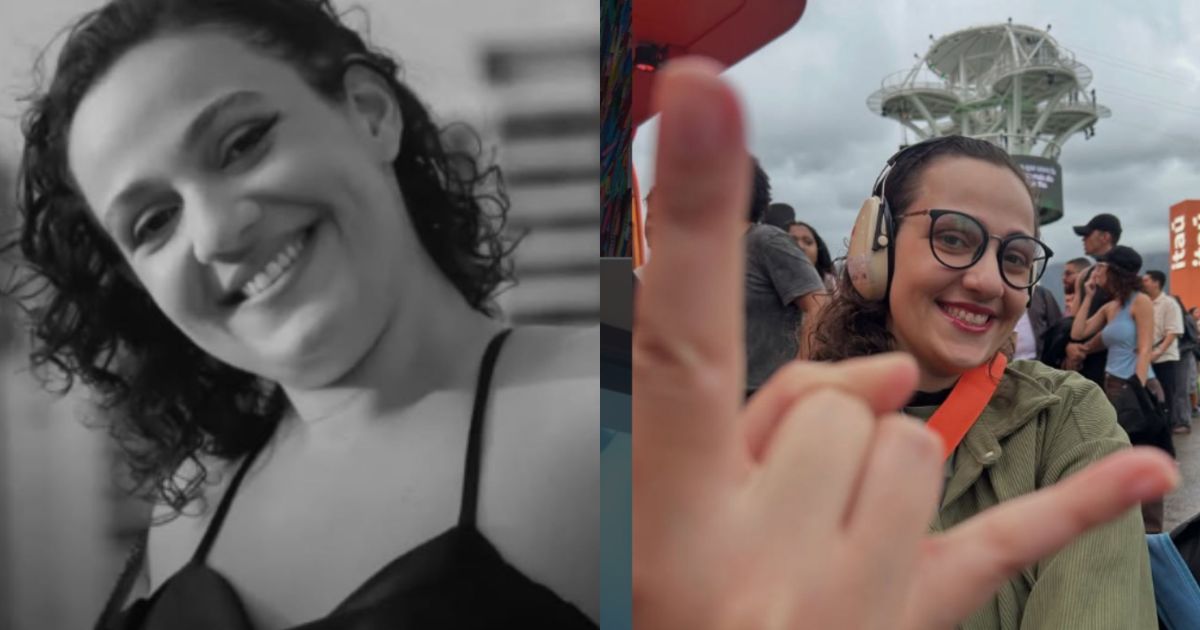
Brazilian social media influencer Fernanda Fialho, known for sharing content about autism, died on Friday at the age of 29.
Her death was confirmed on Para que Tabu, the Instagram account she ran to discuss disability rights and neurodiversity. Her cause of death was not disclosed.
A post published on the page stated that her love, her voice, and her story would remain present among everyone. Following the announcement, fellow digital creators in the autism community and close friends posted tributes remembering her life and online presence.
Family statement and tributes
A statement shared on the profile's Instagram stories announced that the farewell ceremony would be an intimate and private moment reserved entirely for family members.
The message acknowledged how deeply Fialho was loved and noted that many supporters wished to pay their final respects, describing the sentiment as a reflection of the wonderful person she was. However, the statement added that the family needed privacy and welcoming care to navigate their grief in peace, asking followers to honour that wish with love.
Autism advocacy and diagnostic support
According to an introductory post on her social media profile, Fialho was diagnosed with level 2 support autism. She dedicated her channel to educating the public about neurodiversity, atypical motherhood, support networks, psychological reframing, and the anti-asylum movement.
In clinical medical definitions, level 2 autism indicates that an individual requires substantial support for everyday communication, social interaction, and adapting to changes in routine. Fialho used her platform to speak openly about these challenges, helping followers understand the spectrum beyond common stereotypes.
Atypical motherhood and health reform
Fialho is survived by her daughter, Ana Laura, who has also received a diagnosis of level 2 support autism.
Much of Fialho's digital work addressed atypical motherhood, a term referring to parents who raise children with disabilities, neurodivergence, or complex care needs. Through her posts on reframing and support networks, she encouraged families to seek mutual assistance and embrace practical accommodations rather than stigma.
Her advocacy also highlighted Brazil's anti-asylum movement, a psychiatric reform effort established in the late 1970s that campaigns against institutional confinement in favor of community mental health services and human rights.