

Generation X consumers spent more on beauty worldwide than any other age group in 2024, despite struggling to find time for personal care.
Born between 1965 and 1980, the generation comprises the parents of some millennials and a large portion of Generation Z. While members of the cohort possess substantial purchasing power, they frequently take on demanding caregiving roles that cause them to neglect their own wellbeing.
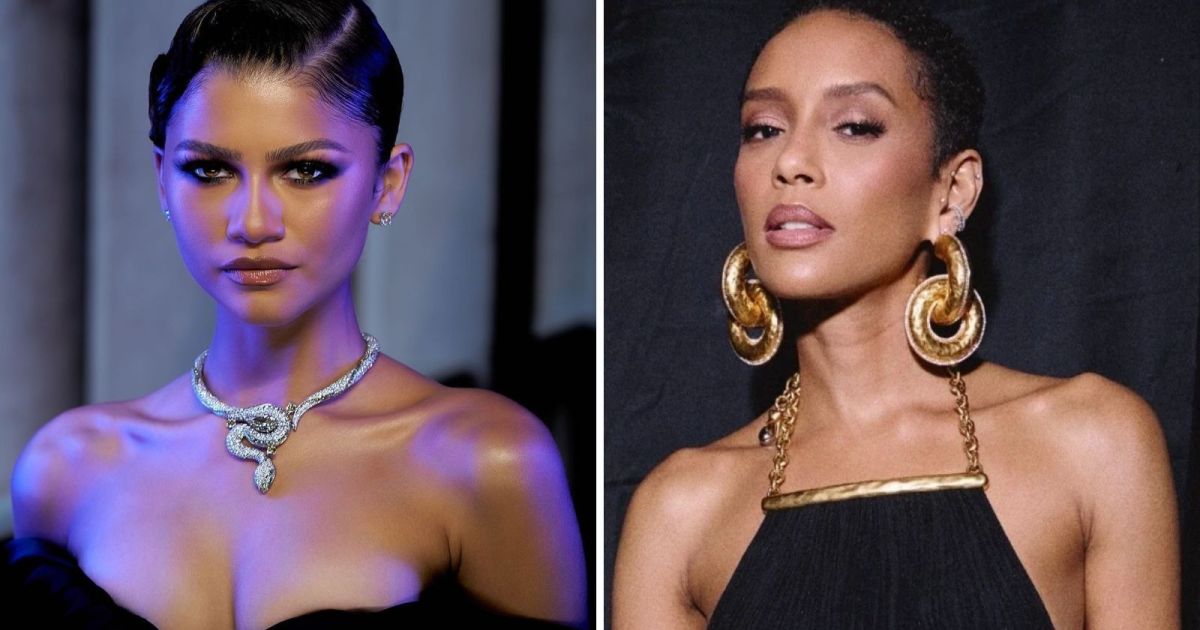
Cultural figures such as actress Uma Thurman embody the demographic, which has often remained overlooked by mainstream commercial narratives despite its immense financial footprint.
The scale of their market dominance was detailed in the Beauty Futures report, conducted by consumer intelligence firm NIQ alongside World Data Lab and trend software company SPATE. The study revealed that Generation X led global beauty expenditure in 2024, with spending across the category projected to expand by 150 billion dollars over the coming decade.
The demographic outpaces the general population in 80 percent of the beauty categories analyzed in the research, demonstrating an interest that extends far beyond a single lifecycle need. The data also challenges the common perception that digital beauty discussions belong solely to younger audiences.
Views of makeup content related to Generation X on TikTok increased by 53 percent over the past year, while the hashtag #over40makeup accumulated 6.9 million views in 2024. Industry figures show that advancing age has not disconnected these consumers from emerging trends or social media discovery platforms.
Industry bias and marketing blind spots
For years, the beauty sector has concentrated its marketing resources on younger consumers, driven in large part by digital transformation. Generation Z currently dominates social media conversations, drives viral trends, and headlines major advertising campaigns, while older seniors have recently gained visibility in longevity and healthy aging campaigns.
Between these two groups, Generation X has frequently been relegated to the background, even though its financial capacity tells a very different story. Industry specialists argue that this commercial invisibility reflects persistent habits across marketing departments.
Adrià Martínez, the director general of Spanish beauty industry association Beauty Cluster, explained that historical inertia in mass consumption and cosmetics marketing has tended to polarize sales efforts at two extremes. He noted that brands focus heavily on younger cohorts like Generation Z and millennials as trend engines, while directing remaining attention toward advanced senior consumers.
Martínez stated that an implicit ageist bias has often been applied to Generation X. He said companies have routinely tied these consumers to narratives of age correction or pushed them aside in favor of youthful faces, overlooking the fact that they are in a period of personal, social, and economic maturity with an exceptionally high demand for specialized cosmetics.
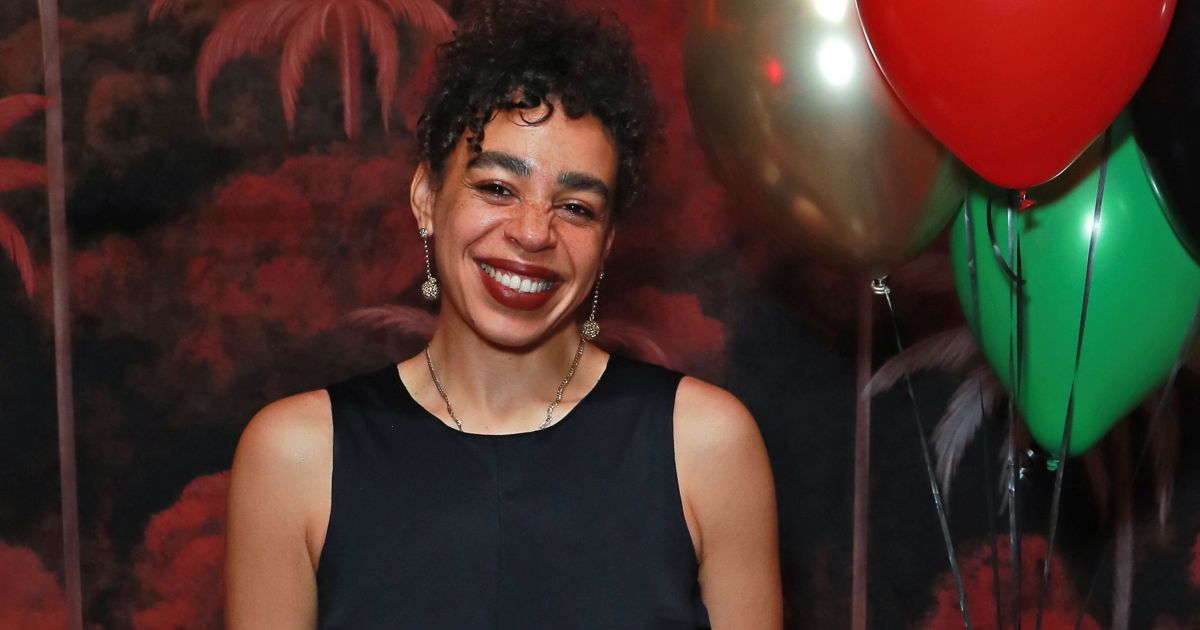
Iconic pop culture figures have highlighted the cultural impact of this generation, including actress Winona Ryder as she marked her 55th birthday, yet commercial campaigns have often failed to engage the cohort as modern adults.

Targeted skincare and ingredient demands
The specific priorities of Generation X consumers are broader and more demanding than those of younger groups. Martínez pointed out that their key concerns center on hormonal wellbeing and skin changes, particularly during perimenopause and menopause, which require tailored dermatological care.
He noted that consumers in this age group insist on product efficacy and personalization. They actively look for potent active ingredients backed by science, such as retinoids, peptides, and advanced antioxidants, to treat skin shifts rather than relying on generic formulations.
At the same time, these shoppers seek intelligent simplification. Martínez stated that Generation X wants streamlined, reliable routines that deliver clear results without cluttering dressing tables with unnecessary steps or complicated regimens.
From an economic standpoint, Martínez emphasized that Generation X represents the demographic segment with the greatest capacity and volume of actual expenditure in beauty and personal care. He explained that their solid financial stability translates into a significantly higher average transaction value per purchase.
He added that while these shoppers remain exceptionally loyal to trusted brands, they hold high standards regarding clinically proven effectiveness, dermocosmetics, and high value treatments.
Emotional wellbeing and workplace identity
The broader significance of self care for mature consumers was examined in a study by Stanpa, the Spanish cosmetic, toiletry, and perfumery association, titled Culture of Wellbeing: Essentiality of Perfumery and Cosmetics. The report explored the emotional, social, and professional roles that personal grooming plays across all life stages.
Stanpa found that 76 percent of Spaniards consider cosmetics and perfumery to be an essential presence throughout every phase of life. In addition, seven out of ten respondents stated that feeling good about their appearance has a direct, positive effect on their self esteem, confidence, and emotional state.
Personal care also plays a critical role outside the home. The study revealed that 74 percent of people believe cosmetic and personal care products have a positive impact on their professional work environment, while 68 percent view personal image as vital for projecting their identity.
The findings indicate that personal care does not diminish with age, but takes on fresh meaning as people evolve. For Generation X adults who are balancing established careers, family obligations, and personal identity, grooming functions as an essential vehicle for wellbeing and self expression.
Caregiving burdens and the time crunch
Despite their market weight and high purchasing power, women in Generation X have been cutting back on the frequency of their beauty routines for years. Industry leaders point out that this decline stems from a severe shortage of personal time rather than a lack of interest.
Teresa Imaz, the director of revenue growth management and business development at cosmetics giant L'Oréal, explained that these women still care deeply about maintaining their appearance but simply have less time in their daily lives. She highlighted that Generation X women account for 22 percent of total market weight in beauty, compared to representing 18 percent of the general population.
Data gathered by L'Oréal illustrates the domestic pressures facing this demographic. An internal survey by the group found that 48 percent of respondents have underage children at home, while 22 percent have an adult dependent under their care. Furthermore, 48 percent of the women surveyed stated that they dedicate all of their available free time to their families.
These intense demands leave consumers worried about skin changes but unable to carve out space for daily routines. Andrea Bell, the vice president of Creative Intelligence at global trend forecasting agency WGSN, discussed this cumulative burden on the Lives of Tomorrow podcast.
Bell described Generation X as being caught in an intense squeeze of concurrent responsibilities, managing peak professional demands while simultaneously caring for growing children and aging parents. Analysis cited by WGSN revealed that members of the generation spend an average of 27 additional hours each week on caregiving tasks.
Empowerment over nostalgia
The severe time deficit has forced beauty analysts to reconsider how products are formulated and sold. Bell concluded that brands cannot merely market attractive or effective items; they must design solutions that integrate seamlessly into the frantic daily lives of their customers.
WGSN researchers emphasized an important operational contrast between generations, noting that while Generation Z drives overall transaction volume, Generation X delivers true commercial value to the sector.
Martínez echoed that sentiment, stating that cosmetic companies must fundamentally update how they represent and speak to the generation. He stressed that these consumers do not want brands to remind them of the ravages of passing time, but instead want messages rooted in empowerment, energy, preventive care, and active acceptance of maturity.
He added that Generation X expects beauty routines that accompany their active, accomplished lives rather than imposing burdens or restrictions upon them. Analysts on the WGSN podcast concurred, urging cosmetic brands to address Generation X consumers as they live today, rather than relying on outdated stereotypes from twenty or thirty years ago.