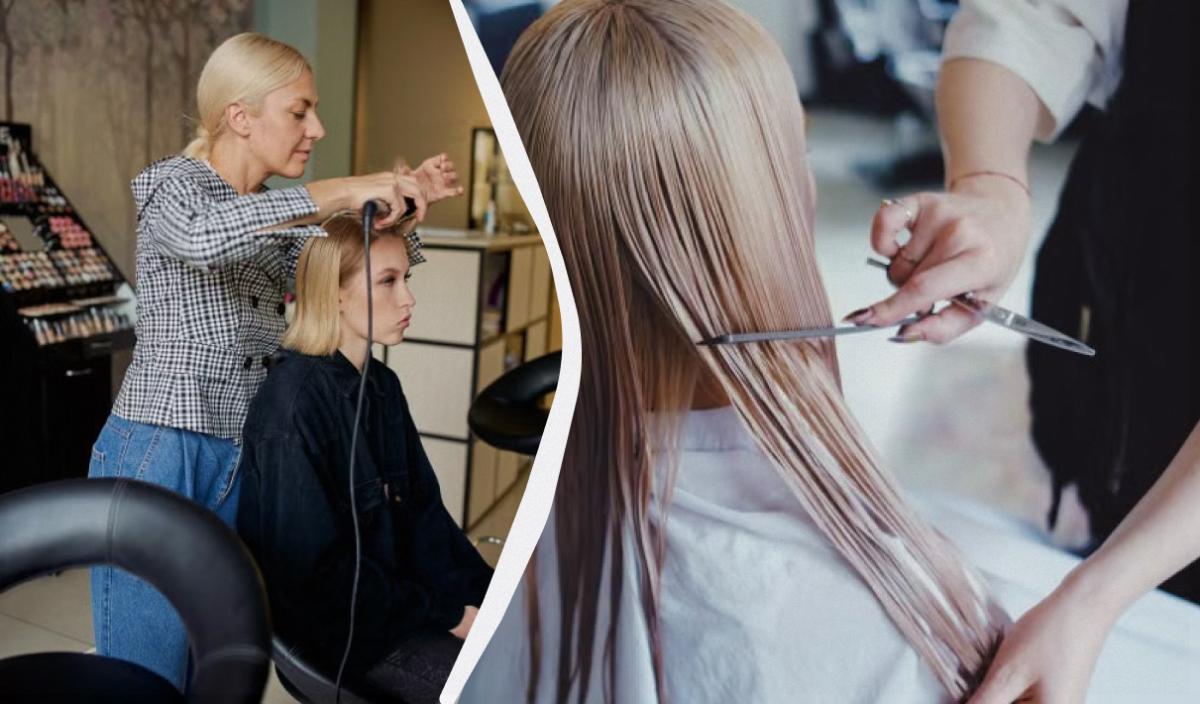
A hairdresser with 20 years of experience has revealed how much stylists in Ukraine actually earn, offering a figure she says will surprise many women thinking of switching careers. Iryna Savkova, who works with both men's and women's haircuts, said the sum depends heavily on where a stylist works and what services they offer.
Savkova was asked whether the hairdressing profession is still in demand and whether it is worth training for the trade in 2026. She said the advantages of the job include being able to set your own schedule, build up qualifications over time and gradually raise your prices as your reputation grows.
But she said there are real downsides too. Hairdressing is physically demanding, with most of the working day spent on your feet, hands constantly busy and regular exposure to hair dye. The job also involves a lot of direct contact with clients, who can arrive with very different expectations and demands.
Unstable income for independent stylists
Savkova said another drawback is unpredictable earnings, particularly for hairdressers who work on their own rather than as part of a salon team. Anyone renting their own workspace has to keep paying that rent even during quiet periods when few clients come through the door.
On the question of monthly pay, Savkova explained that a hairdresser's income depends on the city they work in, their level of experience and qualification, and how many regular clients they have built up. Specialisation also plays a major role, she said, noting that a hairdresser who only cuts hair tends to earn less than one who also offers colouring and styling.
Earnings also hinge on whether a stylist works for a percentage of salon takings, rents a chair, or runs their own private studio, according to Savkova. She said it is hard to give one figure that applies to every hairdresser, but put typical pay at around 40,000 hryvnias a month. Beyond that baseline, she said everything comes down to pricing, the standard of the salon, or whether the work is done from home. As an example, she said a single bridal hairstyle might cost around 100 dollars, while cutting the hair of pensioners at home operates on an entirely different scale of pricing.
Is it worth training as a hairdresser in 2026?
Asked directly whether it is worth starting out in the profession next year, Savkova said the question is a difficult one to answer. She said that if someone's main goal is simply to make money, it is unlikely to work out unless they genuinely enjoy the craft, since the job demands years of learning combined with natural talent and vision on top of technical skill.
She warned that the modest early income can quickly put off newcomers who do not see themselves staying in the trade long-term. Savkova added that people are currently trying to cut spending on anything considered non-essential, with many switching to shorter haircuts that need less upkeep, or giving up regular salon visits altogether so they are not tied to booking another appointment, since many people's lives right now feel unsettled and unpredictable.
Weighing up the costs before switching careers
Before leaving a current job to train as a hairdresser, Savkova advised weighing up not just potential earnings but also the upfront costs involved. She said newcomers need to pay for training courses, buy professional tools and materials, and find somewhere to work.
She also cautioned against expecting a steady stream of clients and strong income straight after finishing a course. In the early stages, she said, new hairdressers need to build experience, put together a portfolio, find their first clients and invest money in promoting themselves.