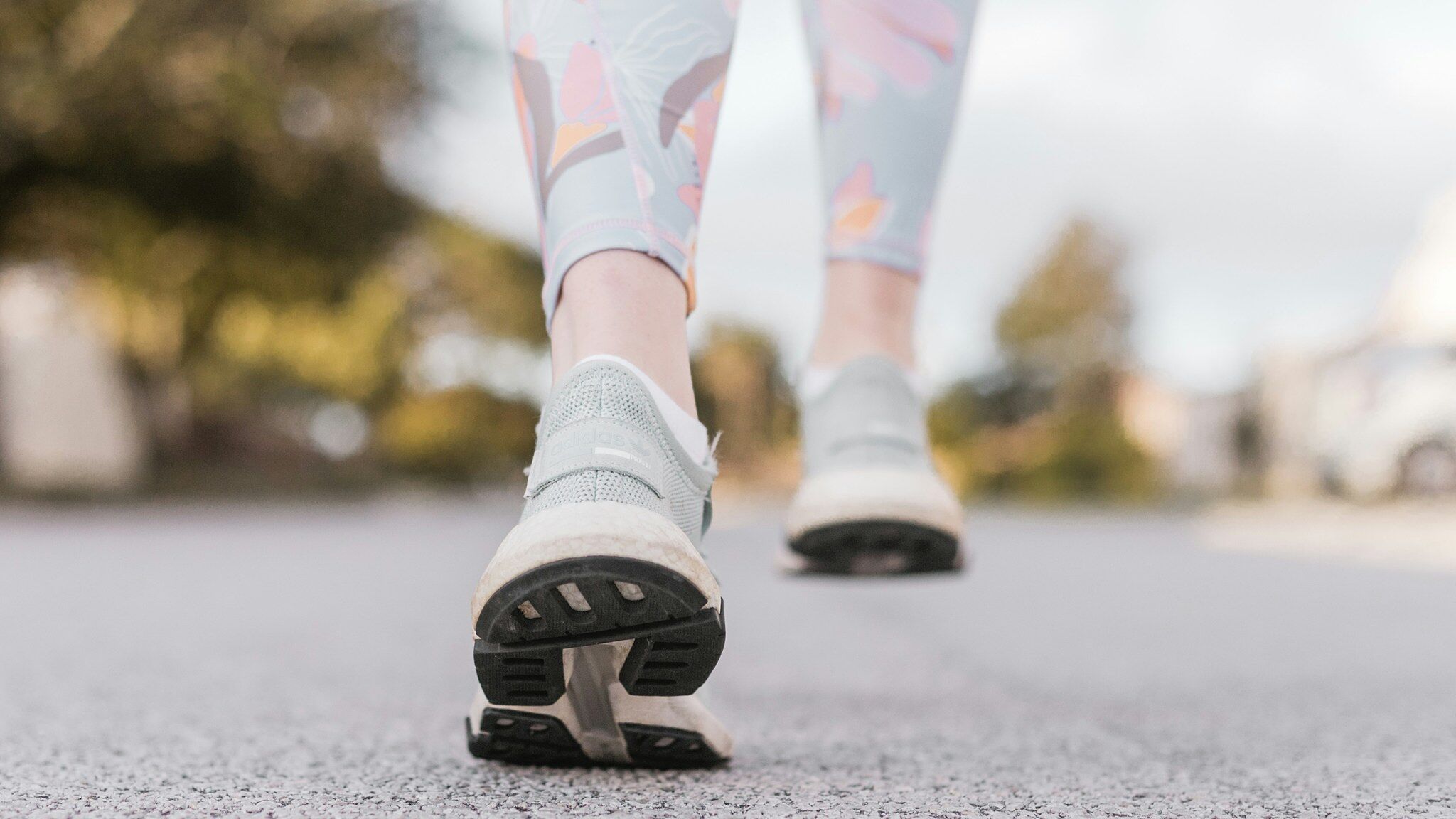
Ángela Isla, founder and trainer at BYAI, says a 25-minute session of incline treadmill walking can match or even exceed the calorie burn of 10 minutes of more intense cardio, such as running or climbing stairs. The claim offers a lower-impact way to get a demanding cardiovascular workout without having to run.
Isla said that walking on an incline allows for a more progressive effort that is easy to regulate and generally more sustainable over long sessions. The only change needed is raising the treadmill's incline so the legs work harder and the heart rate climbs, even at a speed that still feels comfortable.
The ability to adjust the difficulty is especially useful for people who are starting to exercise after the age of 50 or returning to training after time away. Unlike an intense session that can force an early stop, a moderate incline walk is easier to sustain, though the slope still needs to match a person's capacity.
Which muscles work during incline walking
Walking uphill is a different effort from walking on flat ground. The incline increases the work done by the glutes, hamstrings and calves with every step, while the heart also responds to the greater demand.
Jane Kircaldie, a physiotherapist at Hartford HealthCare Rehabilitation Network, said incline walking also significantly increases calorie expenditure by adding extra work for the muscles.
Another advantage is that intensity can be raised without increasing speed, which is useful for people who prefer walking to running, or who are unable to run. Isla cautioned that tired legs do not necessarily mean a session has been a strength workout. She noted that preserving muscle mass, particularly during menopause, also requires resistance training and a proper progression of loads.
Does 25 minutes of incline walking equal 10 minutes of intense cardio?
The comparison is tempting, Isla said, but stressed it is a possibility rather than a universal rule that applies to everyone. She explained that climbing stairs can produce high energy expenditure per minute, especially at high intensities, but that a longer incline walking session can match or exceed that total expenditure.
Isla said the outcome depends on the incline, the speed, the time spent and each person's individual characteristics. The advantage, she said, is that a few extra minutes may be needed, but the intensity will feel more manageable. She added that losing fat does not depend only on the number of calories burned.
How to walk on an incline to get all the benefits
For beginners, Isla recommends walking two or three days a week for 15 to 25 minutes, with an incline of roughly 3% to 5%, at a speed that still allows for holding a conversation. She said it is not advisable to start directly at the maximum incline, and that progress should be gradual.
Kircaldie advised reducing the incline if it is too steep to maintain pace, or if it feels uncomfortable. Trainer Rachael Nicole suggests raising the incline gradually, keeping the torso upright, and lowering the effort toward the end of the session. Kaleigh Ray, a trainer specialising in treadmill training, also recommends alternating steady walks, intervals and hill sections to avoid boredom.
Why incline walking is a good option after 50
The best routine, according to Isla, is not necessarily the one that tires a person out the most, but the one that can be repeated without turning every gym day into an ordeal. She said that if she had to choose a single machine for a woman over 50 starting from zero, she would probably choose the incline treadmill because of how easily it allows the effort to be regulated and progressed.
As fitness improves, Isla said, walks can be lengthened or sections with a steeper incline can be introduced. She also recommended combining cardiovascular exercise with at least two strength sessions a week, with the goal of improving long-term endurance and avoiding muscle loss, rather than becoming fixated on calories.
Test yourself
According to trainer Ángela Isla, what can a 25-minute incline walking session match or exceed?
What incline range does Isla recommend for beginners?
What does Isla say is also needed to maintain muscle mass during menopause?
Have your say
Which would you rather do for cardio?