

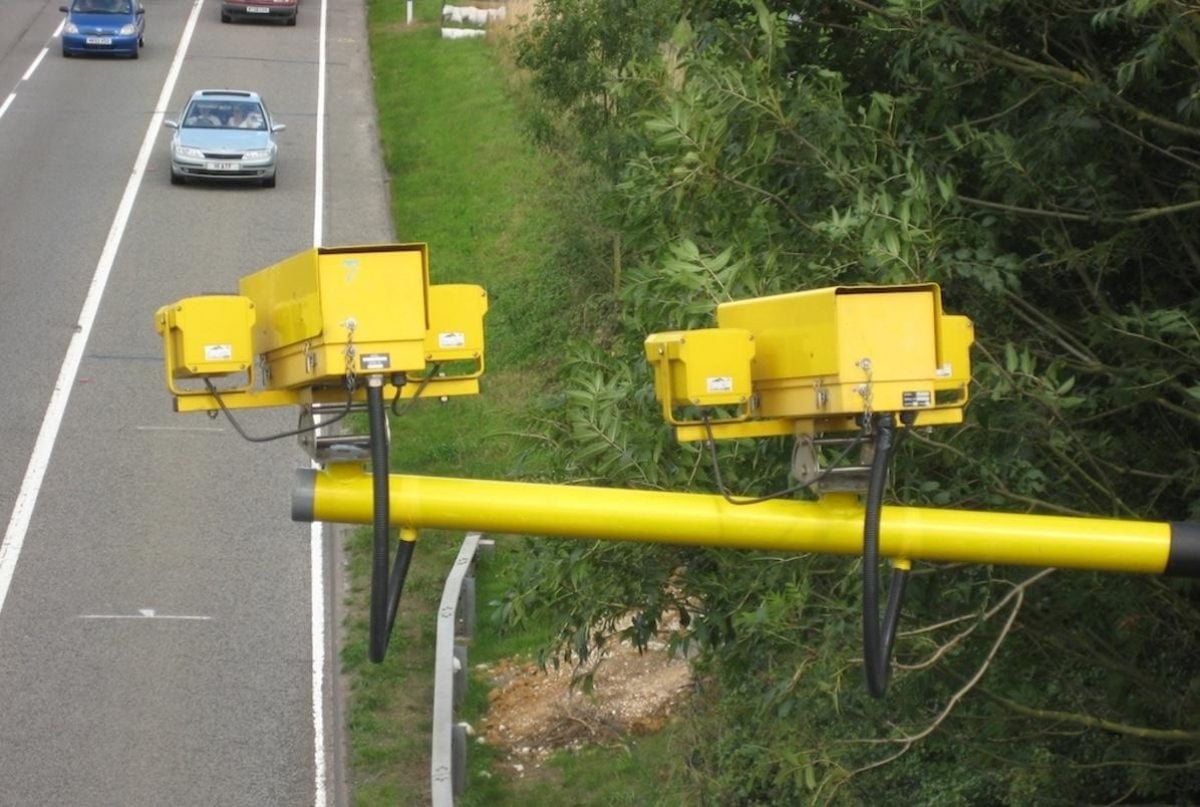
Drivers in Italy have legal grounds to challenge and cancel speeding fines if automated speed cameras are placed too close to speed limit signs.
Under Italian traffic regulations, remote speed control cameras located on suburban roads must be positioned at least 1 km away from the sign that establishes a lower speed limit, according to news outlet Libertatea.
The minimum distance rule is intended to provide motorists with adequate space to slow down safely. For example, if a road sign reduces the speed limit from 90 km/h to 70 km/h, the speed camera cannot be placed within 1,000 metres of that sign.
In Italy, automated speed enforcement devices are widely used by traffic police and local municipal authorities to monitor traffic compliance on highways and regional routes. Drivers who receive automated penalties can appeal them through regional judicial channels if enforcement equipment fails to comply with statutory placement standards.
The Supreme Court of Cassation, headquartered at the Palace of Justice in Rome, acts as Italy's highest court of appeal. It issues rulings that unify legal interpretation across the country, ensuring that lower magistrates apply national traffic regulations consistently.
How the court ruled on sign placement
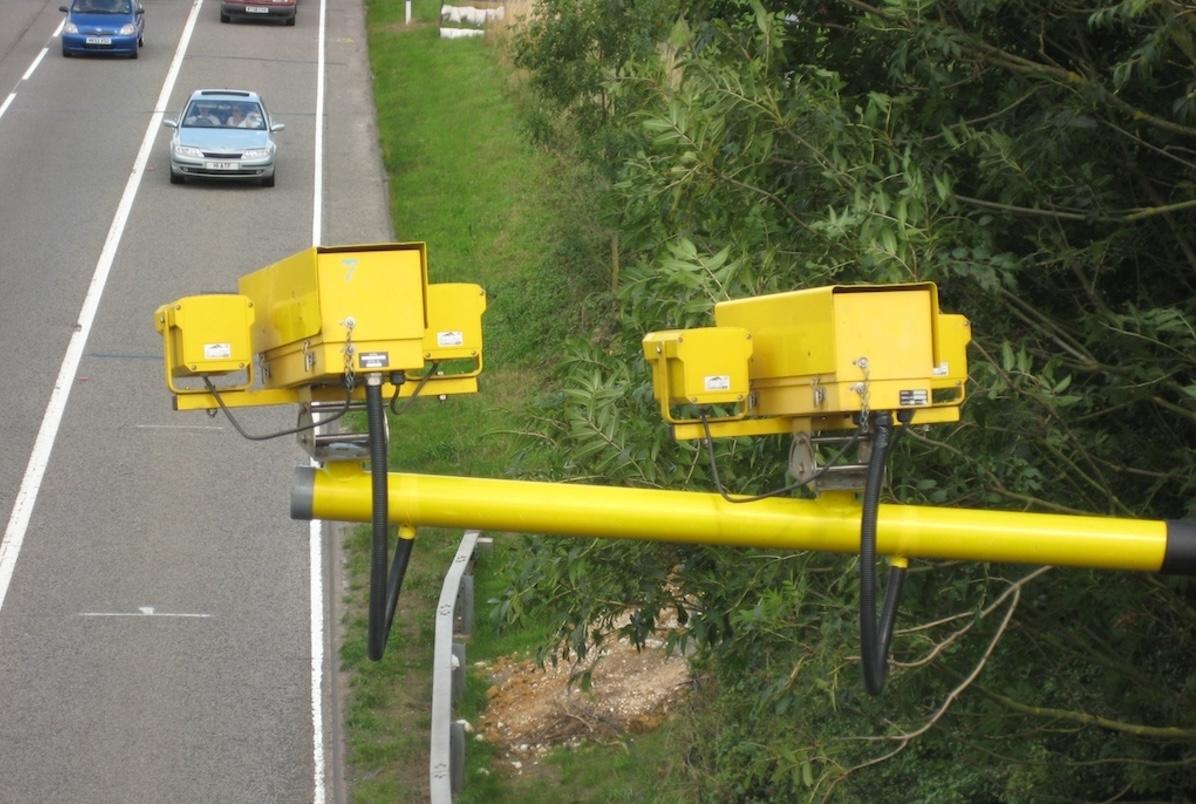
Italy's Court of Cassation provided critical clarification on the speed sign distance rule in decision No. 31665.
The court ruled that if an intersection occurs between the speed limit sign and the monitoring camera, the required 1 km distance must be measured from the sign repeated after the final junction, rather than the initial sign preceding the intersection.
Where no junction exists on the road section, a repeated speed sign does not restart the 1 km measurement distance.
Under this precedent, if a speed camera is installed only 500 metres from a governing speed limit sign, the resulting ticket can be successfully challenged in court.
What drivers must check before appealing
The Court of Cassation also reaffirmed that public authorities must provide drivers with clear advance warning of active speed monitoring. Temporary mobile digital display panels are among the authorized warning systems used on Italian roads.
Speeding fines are not automatically annulled following the ruling. Motorists must inspect the exact circumstances of the infraction to establish whether grounds for an appeal exist.
Drivers contesting a fine must verify five specific factors: which speed limit sign governed the road stretch, the legal category of the road, whether any intersections were present between the sign and the camera, the exact distance from the sign to the radar, and whether advance warning signs were clearly visible.
Distance rules between adjacent speed cameras
Italian traffic laws classify public thoroughfares into distinct categories, including motorways, main suburban roads, and secondary suburban roads, each governed by specific infrastructure and speed management rules.
The national regulations set strict minimum separation distances between consecutive speed enforcement cameras operating along the same traffic corridor.
On motorways, adjacent speed cameras must be positioned at least 4 km apart. On primary suburban roads, speed cameras require a minimum gap of 3 km, while on secondary suburban roads and comparable routes, devices must be separated by at least 1 km.


