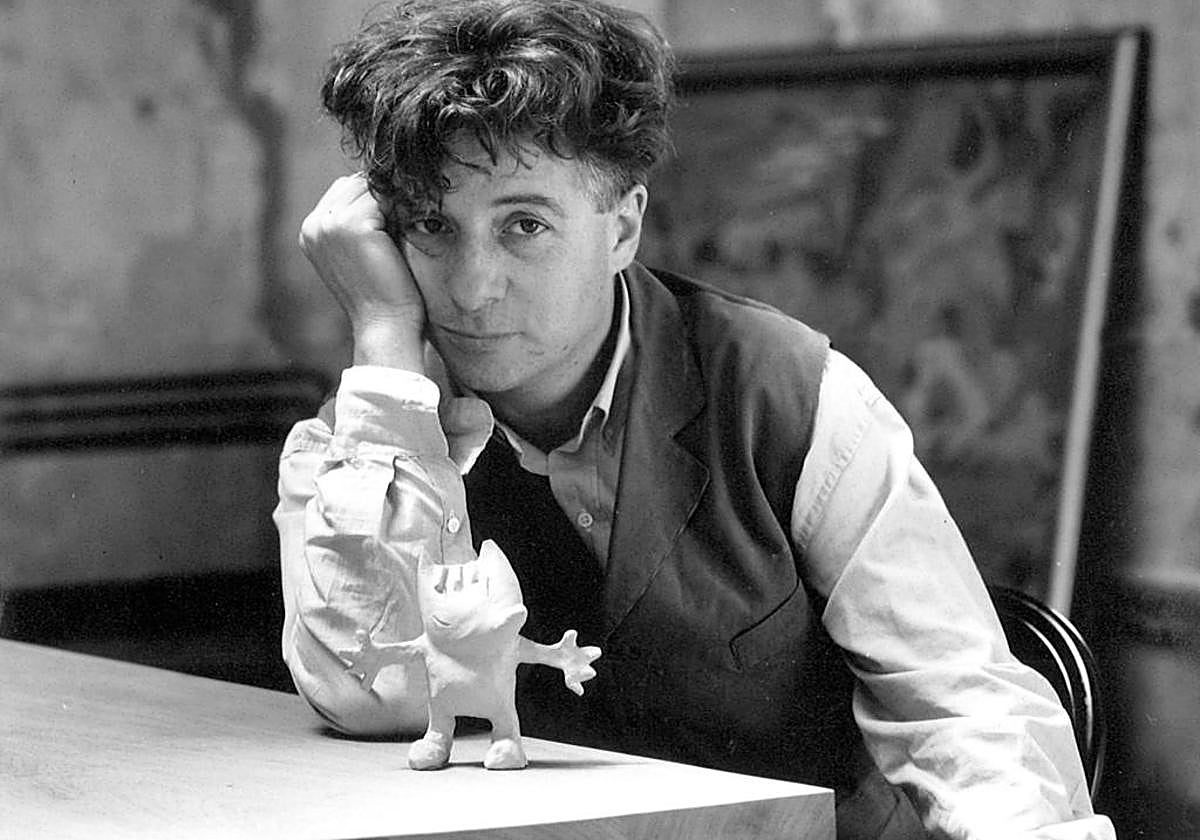
Javier Mariscal, the Valencian designer best known worldwide for creating Cobi, the mascot of the 1992 Barcelona Olympic Games, is the subject of a new exhibition in Madrid that reveals one of his most unexpected talents: traditional ceramics reimagined with his own drawings, colors and characters.
The show, titled "Las cerámicas de Mariscal," has just opened at La Mínima Gallery. It brings together botijos that look like sculptures, vases decorated with Mediterranean scenes, and vessels made using artisan techniques that go back centuries. In total, the exhibition presents three collections created in collaboration with Spanish artisans, pairing old craft methods with a thoroughly contemporary look.
The tour invites visitors to discover another side of the artist, and also to look differently at the everyday objects that have for generations formed part of ordinary homes.

From Cobi to a lifelong love of ceramics
Born in Valencia in 1950, Mariscal grew up surrounded by Mediterranean culture, an influence that became one of the biggest sources of inspiration behind his work. His relaxed characters, playful humor and bold colors form part of a recognizable visual language that has made him one of the most important names in Spanish design.
Throughout his career, Mariscal's work has also included furniture and architecture projects, alongside illustration and animated film, reflecting his belief that almost any object can become an opportunity for artistic expression.
Cobi, the geometrically stylized sheepdog Mariscal designed for the 1992 Games, broke away from the more realistic animal mascots used at earlier Olympics. Critics at the time likened its fragmented, cubist style to the visual language pioneered by Pablo Picasso, and it went on to become one of the most recognized mascots in Olympic history. The Barcelona Games themselves are widely credited with transforming the host city's international profile.
His film work includes Chico & Rita, an animated feature he co-directed in 2010 that was nominated for a Goya Award and shortlisted for an Academy Award for best animated feature.
Yet Mariscal's career began long before Cobi made him famous internationally. He founded Estudio Mariscal in 1989 and, a decade later, received Spain's National Design Award, the country's top official distinction for design, given to recognize outstanding careers in fields such as industrial, graphic and product design. Since then, his work has spanned disciplines as varied as illustration, interior design and animated cinema.
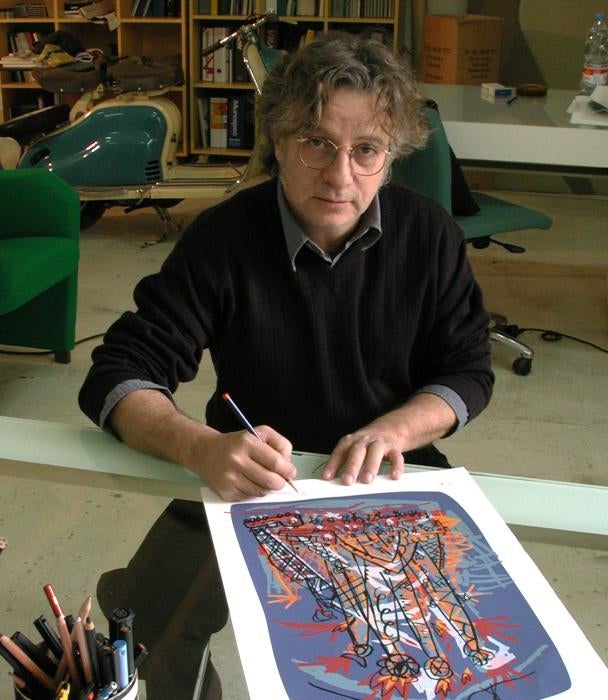
One connection has stayed constant since his early years: his fascination with ceramics, a tradition closely tied to his native Valencia region. Towns such as Manises, near Valencia, have been centers of Spanish pottery making since medieval times, when local potters produced lusterware influenced by ceramic techniques brought to the region during the centuries of Islamic rule in Spain.
That connection is the starting point for Mariscal's new exhibition, which pairs those old techniques with his own contemporary designs, including the cobalt-blue glazing that appears across several of the pieces on show.
Ceramics meant to be used, not just admired
Although his pieces are now displayed inside a gallery, Mariscal insists that ceramics should remain part of everyday life. During the presentation of the exhibition, the designer said he was especially moved by the idea that his pieces end up inside people's homes and actually get used, rather than remaining purely objects of contemplation.
Botijos, the porous clay jugs traditionally used across Spain to keep drinking water cool through evaporation, are among the everyday objects reinterpreted in the show, alongside vases and other vessels drawn from that same domestic tradition.
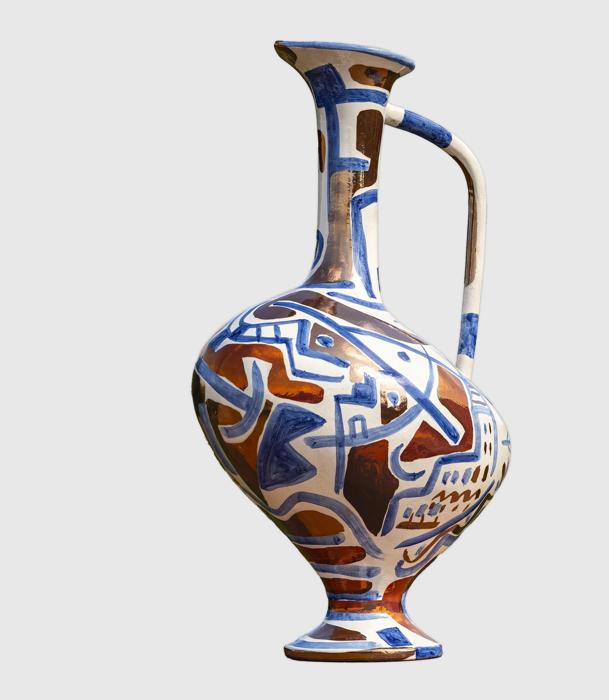
One of the pieces on display, Jarrón Granada, made in 2025, is a glazed ceramic vase finished in cobalt blue, continuing the Mediterranean color palette that runs through the exhibition.
The show also includes drawings and paintings made in oil, watercolor, wax crayon and India ink. These works depict vessels, characters and scenes that carry the same creative universe seen in Mariscal's ceramics onto paper.
Where and when to see the exhibition
"Las cerámicas de Mariscal" can be visited until January 8, 2027, at La Mínima Gallery, located at number 1 Calle Fernández de los Ríos, in Madrid. The gallery is open Tuesday to Saturday, from 11:00 to 15:00 and from 17:00 to 20:00.
The exhibition offers a chance to see how one of Spain's most recognized designers has found in traditional craftsmanship a new form of expression, and to look again at the botijos and vases that have long been part of ordinary homes, discovering the art hidden inside them.
What happens next
The exhibition runs until January 8, 2027, at La Mínima Gallery in Madrid.
Test yourself
What is Javier Mariscal best known for creating?
Where is the exhibition "Las cerámicas de Mariscal" being held?
Until what date can the exhibition be visited?
Have your say
Should traditional ceramics like vases and jugs be used in daily life or kept as art pieces?
Where it happened
Madrid, Spain