
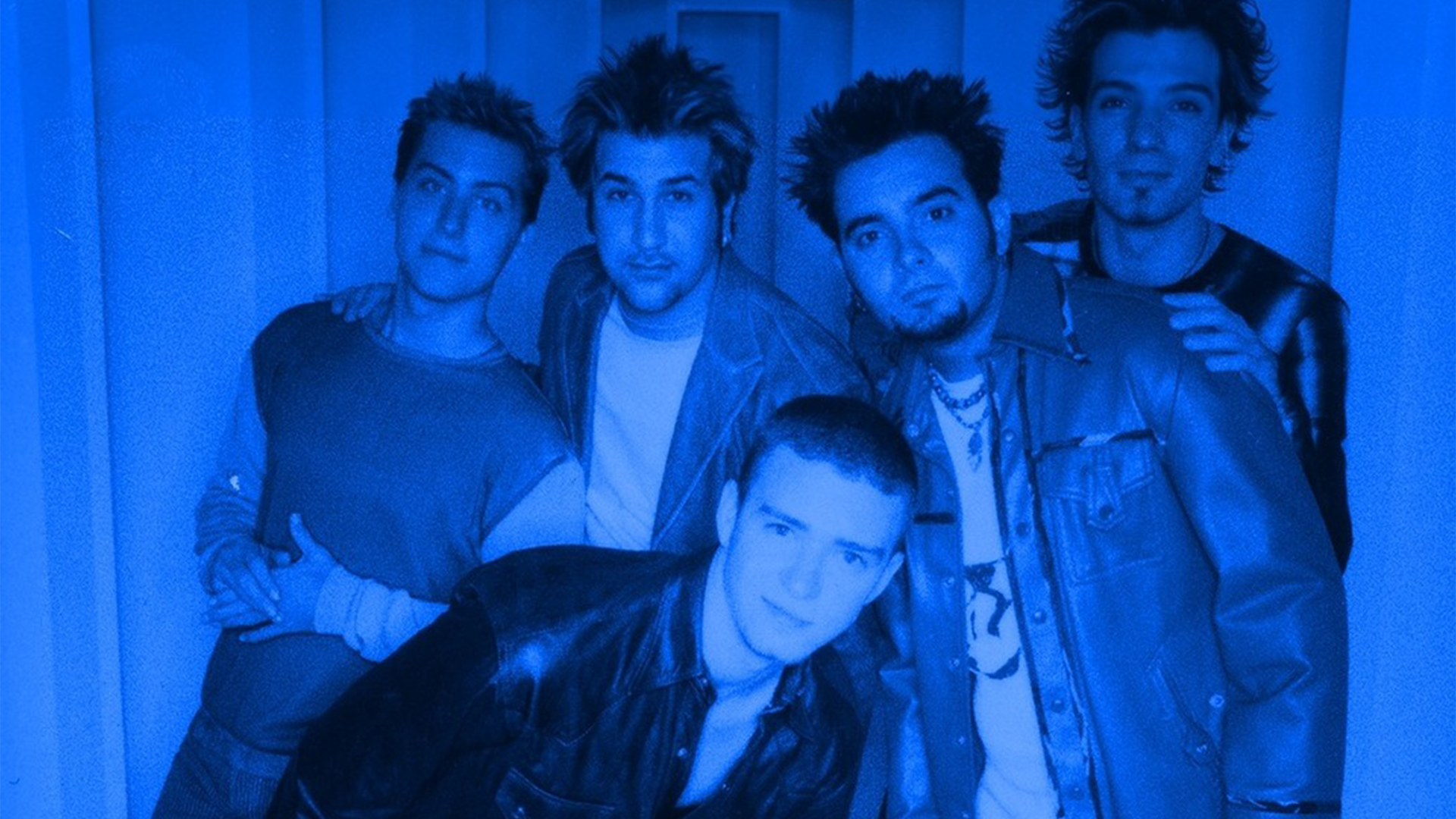
Joey Fatone has publicly expressed regret over recording two songs from *NSYNC's debut album, describing the early tracks as horrible during a fan panel at 90s Con in Connecticut.
Speaking to a packed audience of supporters, the pop singer singled out the 1997 dance tracks Riddle and I Need Love, openly admitting that he wished both recordings had never been released to the public.
The candid and humorous reflection on the band's formative years drew laughter from the convention crowd, while reopening debate among pop music fans about how the iconic group originally constructed its musical identity.
Label pressure and European dance pop
Fatone explained at the convention gathering and in subsequent comments to People magazine that record label executives were determined to mold *NSYNC into the prevailing European musical trends of the late 1990s. At the time, dance music and Europop were dominating radio airwaves and nightclub charts across Europe, prompting executives to steer the emerging group toward high-tempo electronic productions.
However, Fatone noted that the quintet's core artistic strengths did not align with electronic club beats. Alongside Fatone, the group featured Justin Timberlake, JC Chasez, Lance Bass, and Chris Kirkpatrick, whose collective vocal abilities were rooted in American rhythm and blues alongside rich soul harmonies.
Formed in Orlando, Florida, in 1995, *NSYNC initially developed their act across Europe before launching their career in North America. Their self-titled debut studio album was released in Germany in 1997, where the label used the European market as an early testing ground before issuing a revised tracklist to American listeners the following year.
Vocal critiques and rare tour performances
Looking back at the finished studio tracks from those 1997 sessions, Fatone confessed that both compositions felt completely foreign to the original spirit of the band. He added that the production on the two songs sounded dated even during the era in which they were first released.
Fatone also took playful aim at bandmate JC Chasez during the panel discussion. With the self-deprecating humor familiar to longtime fans, he joked ironically about Chasez's vocal performance on I Need Love, remarking that the vocalist did not sound entirely good on that particular recording.
Despite their presence on early album pressings, Fatone celebrated the fact that the group rarely performed either track during their live concert tours. He explained that omitting the songs from their stage shows spared concertgoers from a repertoire that the band members themselves felt never truly represented them.
Artistic control and American breakthrough
Fatone explained that the group's early European tenure functioned as an essential testing laboratory where the singers could experiment and determine their musical direction. Rather than derailing the group, the early artistic misstep served as an indispensable learning experience that accelerated their professional maturity.
The definitive turning point arrived when *NSYNC transitioned to the United States market and took full control over their musical output and creative decisions. The shift culminated in landmark releases such as the 2000 album No Strings Attached, which established their signature vocal-driven sound and propelled them to the summit of international pop music.
That commercial breakthrough placed *NSYNC at the forefront of the late-1990s and early-2000s boyband boom alongside peer groups such as Backstreet Boys and Westlife. Nearly three decades after first rising to global fame, Fatone said the band members can now view their earliest recordings with affectionate perspective, self-criticism, and the knowledge that early stumbles paved the way for an enduring musical legacy.