


José Manuel López, son of Joma founder Fructuoso López, is part of the leadership team steering the Spanish sportswear company as it competes in more than 120 countries against giants such as Nike, Adidas and Puma, while remaining under full family ownership.
Joma is based in Portillo de Toledo, with 100% of its capital held by the López family. The company currently has a presence at the Olympic Games, the Davis Cup, the Futsal World Cup and other major international competitions.
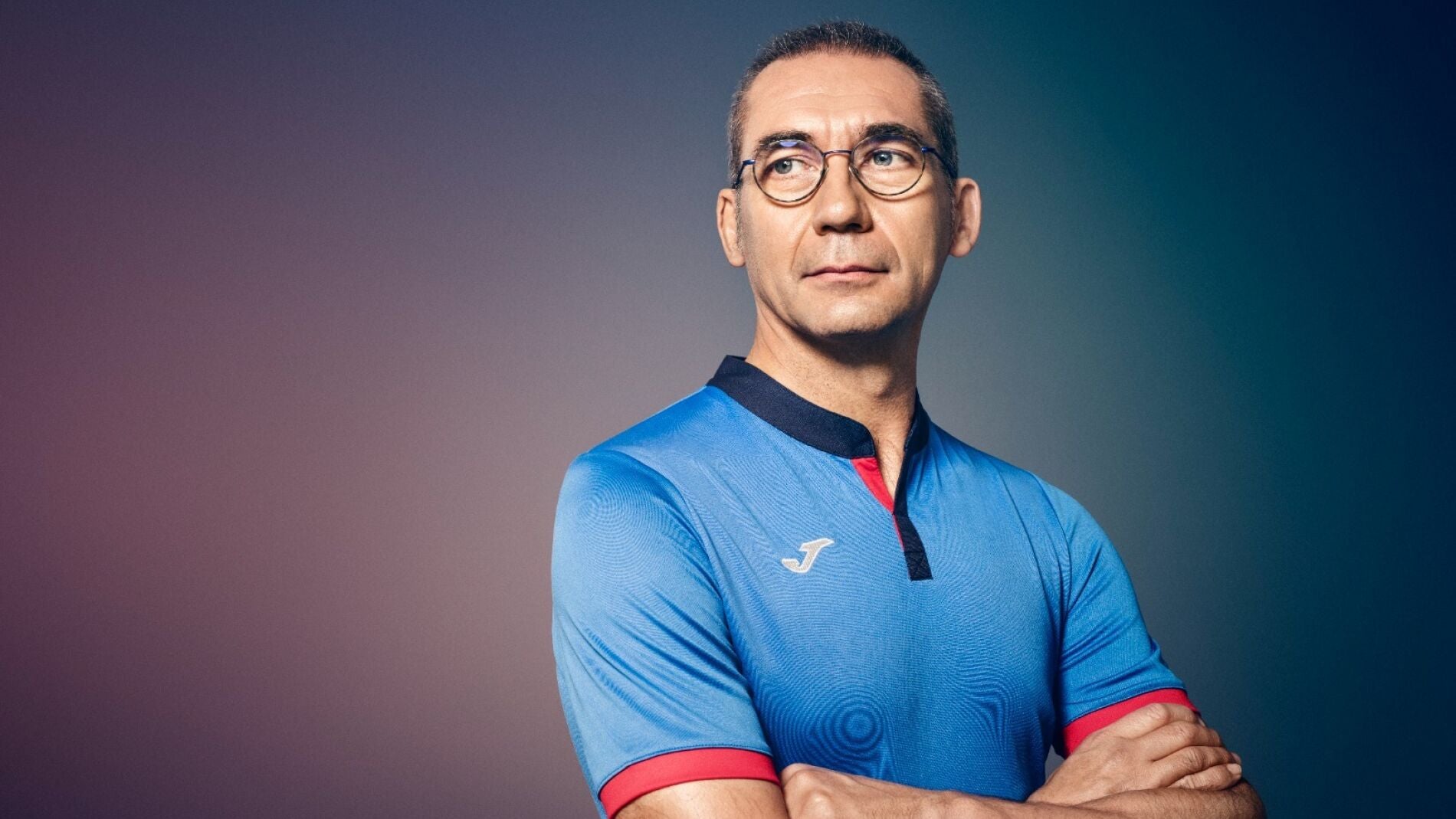
López said the biggest challenge for the second generation has been understanding that professionalizing and modernizing the company did not mean abandoning what made it strong. He said Joma had grown enormously since its early days but that certain principles remained unchanged: working hard, reinvesting, staying close to the product, listening to the market and never losing common sense.
He said his father taught the family mainly by example, and that the second generation had to adapt that philosophy to a much larger, more international and more complex company, one that now requires planning, technology, data analysis and highly trained professionals while still keeping pragmatism at its core.
Five siblings sharing leadership
Five siblings share senior management responsibilities at Joma. López said each has defined areas of responsibility and acts from that professional role rather than from family ties, and that decisions have to respond to what the company needs rather than to family conversations.
He said the family brings stability, commitment and long-term vision, but that management itself has to be professional. According to López, the siblings do not always agree, but they are aligned in wanting the same thing for the company rather than thinking about quarterly results to satisfy an outside investor. He said they think instead about what kind of company they want Joma to be in ten, twenty or thirty years, which allows for extensive debate followed by fast execution once a decision is made.
Competing with Nike, Adidas and Puma
Asked how Joma maintains financial independence while gaining market share in more than 120 countries against much larger rivals, López said there was no extraordinary secret, but rather a combination of hard work, reinvestment, financial caution and knowledge of the business.
He said Joma never tried to copy Nike or Adidas, since attempting to compete on the same terms as companies with far greater financial scale would be a mistake. Instead, he said, Joma's advantage lies in its own way of competing: speed, flexibility, closeness to the market, product, service and the ability to spot opportunities that larger companies may reach less nimbly.
He pointed to internationalization built up over decades as another key factor, along with a culture of reinvesting much of what the company earns back into the business. Not having to answer to outside funds or shareholders, he said, gives Joma the freedom to make investments whose returns may not be immediate but that matter for its future.
From colored boots to new categories
Joma became known in the 1990s for pioneering colored football boots and today supplies kit to the Spanish Olympic Committee and national teams around the world. Asked where the brand goes next, López said the future lies both in expanding into disciplines such as padel and running and in the sector's digital transformation, since the two are now difficult to separate.
He said football remains a fundamental category for Joma but that the company stopped being solely a football brand long ago, and that running, padel, tennis and other disciplines still have significant room to grow. He said sponsorships provide visibility, but that athletes keep wearing a shoe or garment only if it performs, which is why investment in product development, materials, design and innovation will remain a priority.
He also pointed to e-commerce, data and direct relationships with consumers worldwide as major opportunities, saying Joma's future depends on combining decades of industrial and sporting knowledge with technology to become a faster, more international and more consumer-focused company.
Staying rooted in Toledo
Although Joma has commercial subsidiaries around the world, its main logistics and industrial center remains in Portillo de Toledo, the family's hometown. López said Portillo is not simply where Joma's headquarters sits but part of the brand's identity, and that the family has never accepted the idea that becoming a global company means leaving the place where it was born.
He said there is also a commitment to the local community and the people who have contributed to the company's growth over the years, adding that maintaining strong roots in Toledo is compatible with having international structure, teams in different countries and global reach.
As an example, López cited Joma's arrival as Official Partner of European Athletics, which gives it a presence at major continental competitions, from European championships to international marathons in Rome, Florence, Porto and South Africa, as well as leading half marathons such as those in Madrid and Paris. He said the company is also growing in football, futsal, running, padel, tennis, handball and other disciplines, and is present at events including the Futsal World Cup, the football World Cup and the Davis Cup, where Joma sponsors the Italian team, champion of the last two editions, and the Spanish team.
15% of athletes at Paris 2024
At the Paris 2024 Olympic Games, Joma dressed approximately 15% of the athletes taking part, with a presence through 12 Olympic committees, more than twenty national federations and numerous individually sponsored athletes.
López said the brand's growth in recent years amounts to a genuine achievement within an industry as complex and competitive as sportswear, but that Joma continues to look ahead, seeing not a ceiling but a path built on innovation, product quality and presence at major international competitions.


