

Spanish singer and composer Juan Pardo is living a serene life focused on painting after stepping away from his music career 16 years ago.
The veteran artist, born in Palma de Mallorca on November 11, 1942, retired from the music industry to pursue his lifelong passion for fine art. Speaking in an interview with news outlet La Nueva Crónica, Pardo explained that leaving music to dedicate himself fully to painting had been his dream, adding that he spent nearly ten years studying with other painters and experimenting with techniques before making the transition.
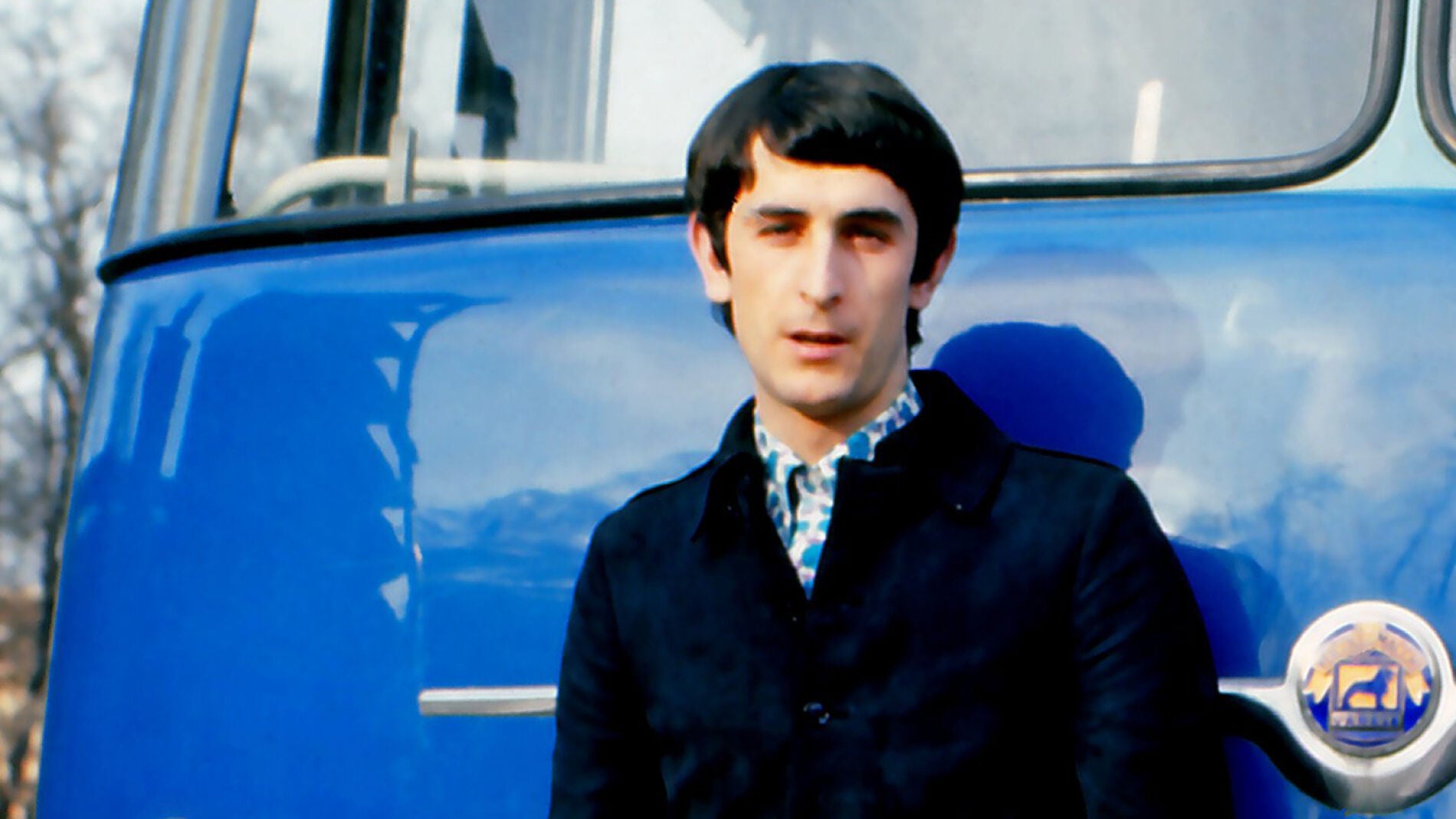
Pardo, whose full name is Juan Ignacio Pardo Suárez, is widely regarded as one of the most influential figures in Spanish popular music history. Although born in the Balearic Islands, he considers himself Galician at heart after spending formative years of his life in northwestern Spain.
Today, the former musician maintains a disciplined daily routine in his art studio. He noted that he paints every day, sometimes for short periods, but makes a point of working on his canvases daily. His artistic focus led to a public exhibition in the city of León in 2018, where he presented a collection of work highlighting the deep connection between human caregivers and working animals.
Daily Life and Health
His daughter Lys Pardo said her father lives a peaceful, family-focused routine alongside his daughters. She shared that he remains physically active, riding his bicycle for miles, and noted that while his active music career was filled with constant travel and stress, retirement has allowed him to embrace complete relaxation.
Pardo faced a health setback in 2017 when he underwent a coronary angioplasty procedure to insert a stent. At the time, his daughter assured news site El Confidencial that the operation was successful and that her father was recovering well.
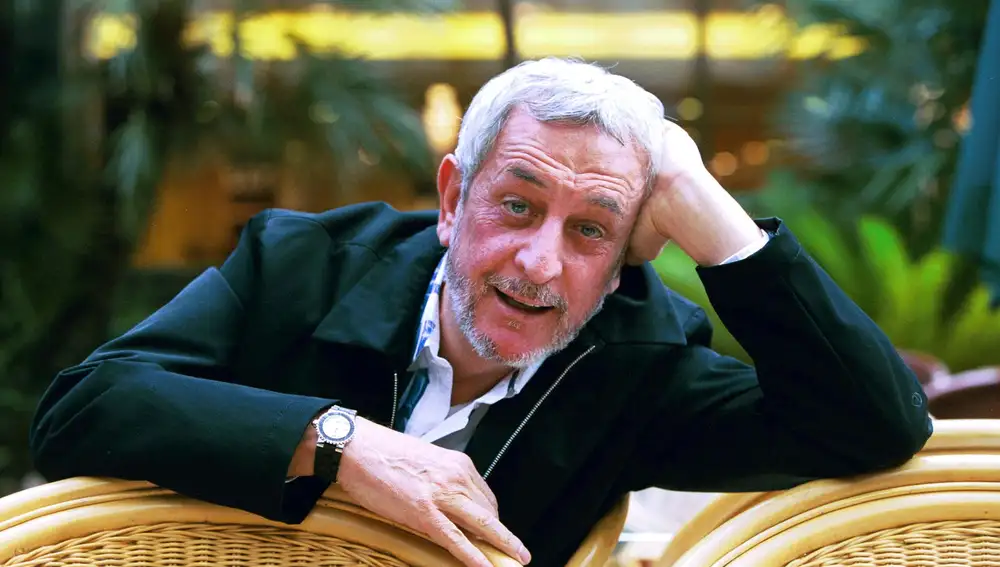
A Career at the Top of Spanish Pop
Before his retirement, Pardo enjoyed decades of success both as a solo artist and as a member of seminal Spanish pop groups during the 1960s. After leaving the prominent rock band Los Brincos, he formed the pop and folk-rock duo Juan y Junior with singer Antonio Morales, known professionally as Junior.
Active between 1967 and 1969, Juan y Junior became a landmark cultural phenomenon in Spain despite releasing only six singles. The pair produced enduring hits such as La Caza, Anduriña, and A dos niñas, a track dedicated to performers Rocío Dúrcal and Marisol. Their abrupt breakup in 1969 shocked Spanish music fans and prompted both artists to launch separate solo careers.
As a solo performer, Pardo scored major chart hits with tracks including María Magdalena, No me hables, Autorretrato, Caballo de batalla, and Samba Lady. His work as a songwriter also shaped the careers of numerous Spanish music stars, writing hit songs for Marisol, including Mamy Panchita, Aquel verano, and Mi rancho, in the 1970s.
Pardo also promoted and wrote material for prominent artists such as Camilo Sesto, Rocío Jurado, Los Pecos, Massiel, Luz Casal, Xil Ríos, Andrés do Barro, Chiquetete, Manolo Galván, and Juan Camacho. He accumulated one of the largest catalog rights of any Spanish songwriter. In 2003, coinciding with the release of his final studio album Lúa Chea, record company EMI announced that Pardo generated more copyright royalties for Spanish authors society SGAE than any other composer.
Personal Life and High-Profile Romances
Throughout his career, Pardo maintained a private personal life. He was married to Cuban-born Emy de la Cal from 1970 until 1983, and the couple had two daughters, Teba, born in 1971, and Lys, born in 1975.
Pardo has stated that his greatest personal love was Marieta, real name María del Carmen, with whom he shared a passionate romance during his youth. However, Spanish media frequently focused on his high-profile relationship with singer Rocío Dúrcal prior to her marriage to Junior.
Years later, Dúrcal jokingly remarked in an interview with television presenter María Teresa Campos that she had initially dated Pardo to capture Junior's attention. The couple separated in 1969, after which Dúrcal began dating Junior, whom she later married.