


Spanish comedy series La Casa Nostra has launched on streaming platform Movistar Plus after making its original debut on the Catalan service 3Cat.
The first season of the show surpassed one million views on 3Cat in less than a month before expanding to Movistar Plus, a major subscription television provider in Spain. Created and directed by Dani de la Orden and Oriol Pérez, the series revives the classic multi-camera studio sitcom format.
The writing team reunites De la Orden with screenwriter Eduard Sola, who previously collaborated on the film comedy Casa en llamas. Sola has recently written projects such as Querer and La virgen roja. Scriptwriters Dani Amor and Oriol Pérez, both veterans with extensive experience in television comedy, complete the writing team.
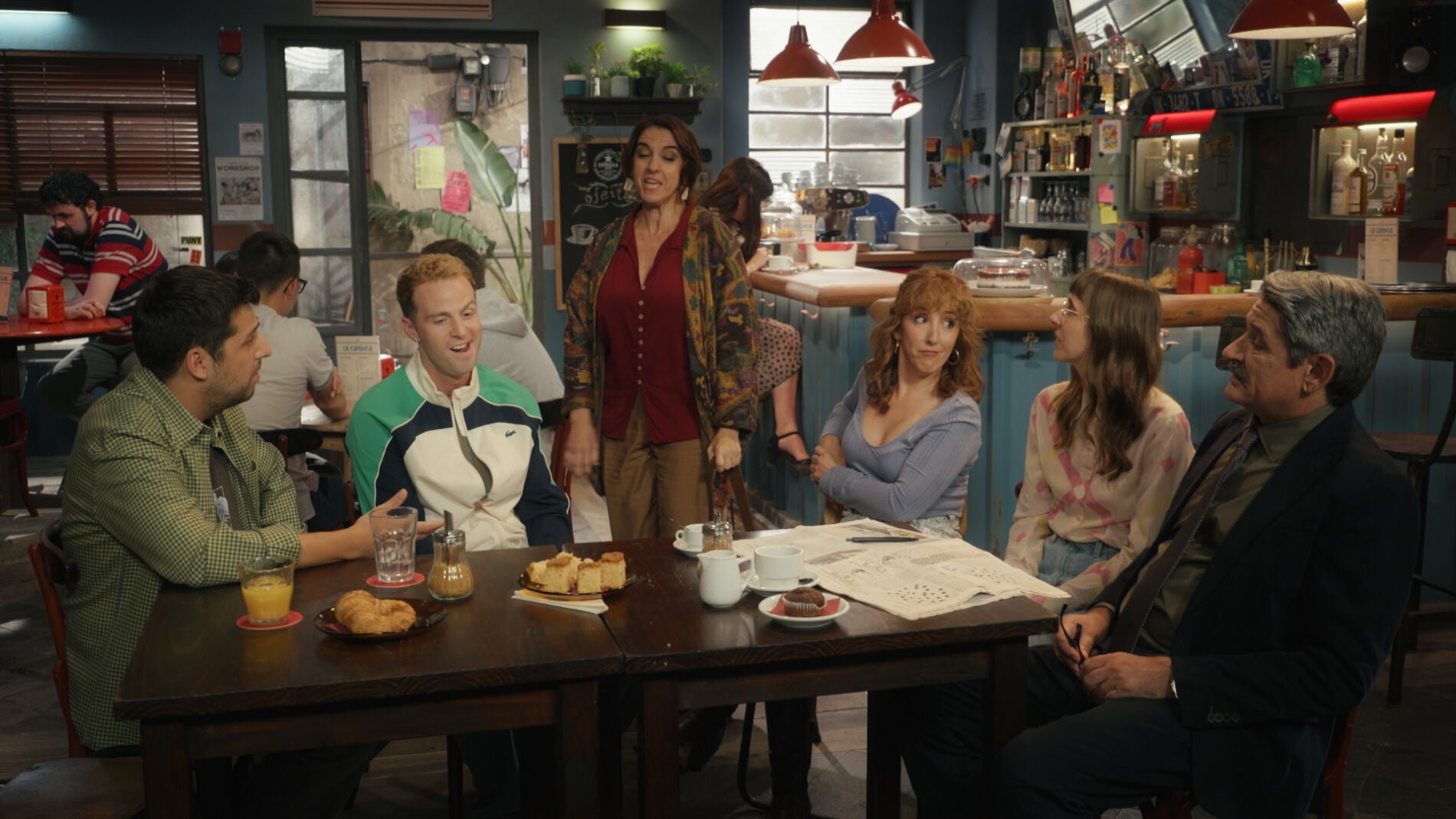
Set in Barcelona, the narrative centers on Miqui, played by Marc Rius, an idealist sharing an apartment with his best friend Èric, portrayed by Adrian Grösser. Miqui's life collapses when his long-term girlfriend rejects his marriage proposal and begins a relationship with television journalist Laura Rosel, who plays herself in the show.
Plot and Character Dynamics
Following the romantic breakup, Miqui's living situation grows chaotic as family members move into the apartment. His mother Pilar, played by Llum Barrera, arrives as a chaotic and free-spirited presence. She is soon followed by Miqui's father Josep, played by Albert Ribalta, a conservative lawyer from whom Pilar has been separated for years and whom Miqui cannot stand.
The living arrangements expand further across the apartment landing. Neighbor Berta, played by Paula Malia, is portrayed as a brilliant young woman who struggles with social interactions, setting up an inevitable romantic interest for Miqui. Meanwhile, Candela, played by Betsy Túrnez, operates the neighborhood venue, Bar Candela, located on the ground floor of the building.
According to the review by critic Adrián Cámara, Túrnez delivers by far the most compelling performance in the ensemble as Candela. Experienced actors Barrera and Ribalta also earned praise for bringing comedic authority to their roles, standing out above the lead trio.
Sitcom Format and Production Details
La Casa Nostra features 14 episodes, with most running approximately 30 minutes. The season relies on self-contained episodic storylines structured around traditional sitcom mechanics, including misunderstandings, character entrances and exits, and intersecting romances.
The production includes guest appearances from several prominent television and comedy figures, including Sílvia Abril, Ignasi Taltavull, Adriana Torrebejano, and Toni Cruanyes. These cameo roles support the individual episodic plots across the season.
The show openly displays its influences. The review noted clear similarities between the opening plot twist and Ross Geller's storyline in Friends, while comparing Berta's character to tropes in The Big Bang Theory and referencing the classic Spanish sitcom Siete vidas.
The Decline of the Classic Sitcom
The release comes as traditional sitcoms have largely vanished from major streaming slates. For over half a century after emerging in the 1950s, the multi-camera format relied on two or three fixed sets, five or six core characters, episodic storylines, and live studio audiences. The format provided networks with an affordable production model that built strong viewer loyalty through accessible, comfortable humor.
The growth of global streaming platforms shifted industry standards toward cinema-style productions featuring dragons, interdimensional travel, and two-hour episodes with large budgets. While platforms actively compete for catalog rights to classic shows like Cheers, Seinfeld, and Friends, executives have generally treated new sitcom development as obsolete. Cámara questioned whether audiences genuinely lost interest or if platforms simply stopped offering the simpler format.
Regional public broadcasters have utilized sitcoms to fill that gap. Operating with far smaller budgets than global streaming companies, regional networks found the sitcom to be a cost-effective way to compete for viewers.
Regional Television and Critical Reception
In Catalonia, regional broadcaster TV3 built a strong tradition in sitcom production, creating popular series such as Plats bruts, one of its most emblematic original shows, and Jet Lag. Cámara noted that the creative team behind La Casa Nostra likely grew up watching these regional broadcasts before developing their own series.
In his assessment for Gossipify, Cámara described La Casa Nostra as a sympathetic effort with genuinely funny moments. However, he noted that the series ultimately falls short of the classic comedies it references, leaving viewers with the feeling of having seen similar material handled better in the past.
Cámara advised viewers to watch the series in its original Catalan audio with subtitles, noting that dubbed versions sterilize the show's comedic tone. He concluded that despite an uneven result, the series deserves a chance from sitcom enthusiasts due to the noble intentions of its creators.