

Celebrity stylist Law Roach has revealed that he charged clients just $700 a day when he began his styling career, reflecting on his financial journey alongside a wide array of Hollywood figures who have shared candid details about their past paychecks.
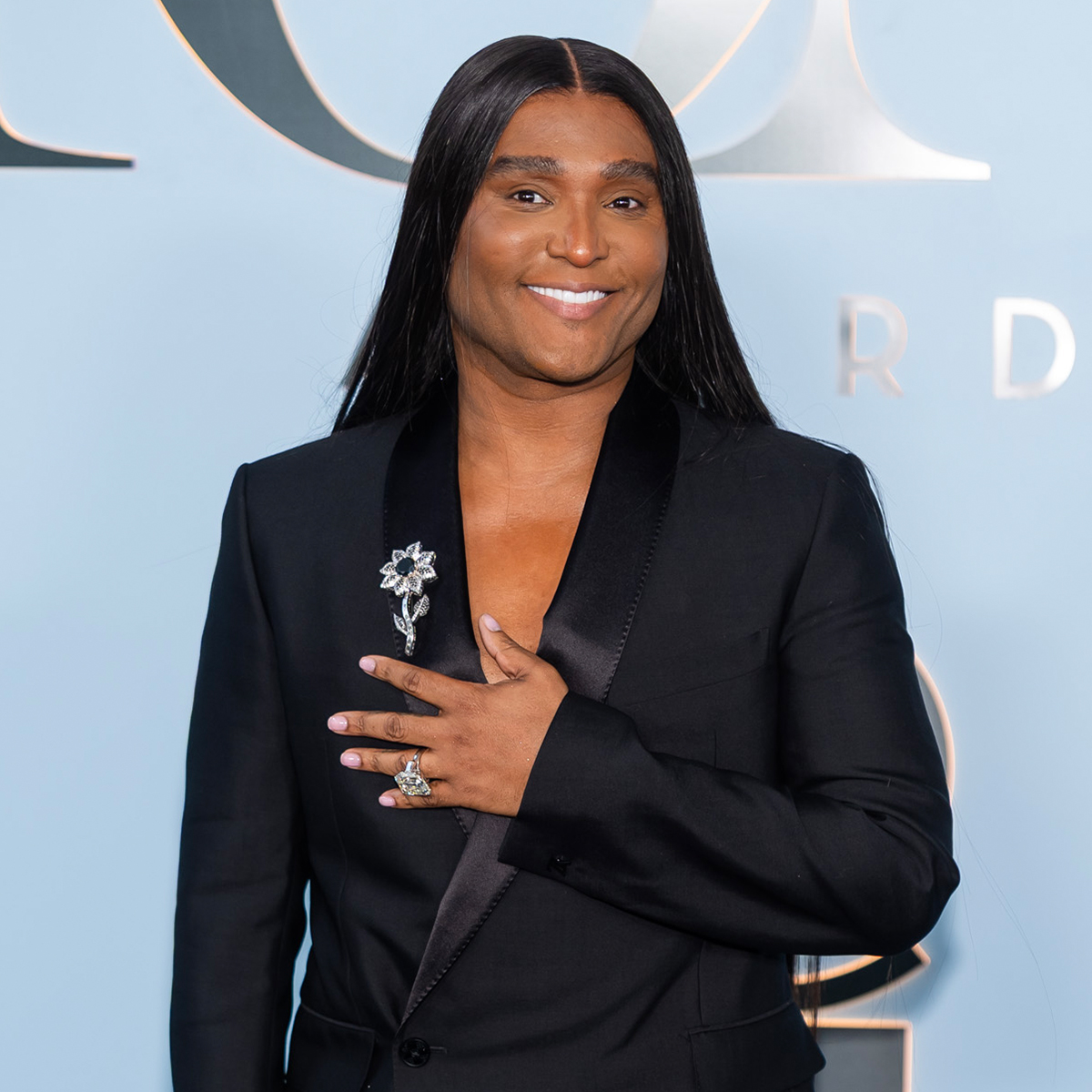
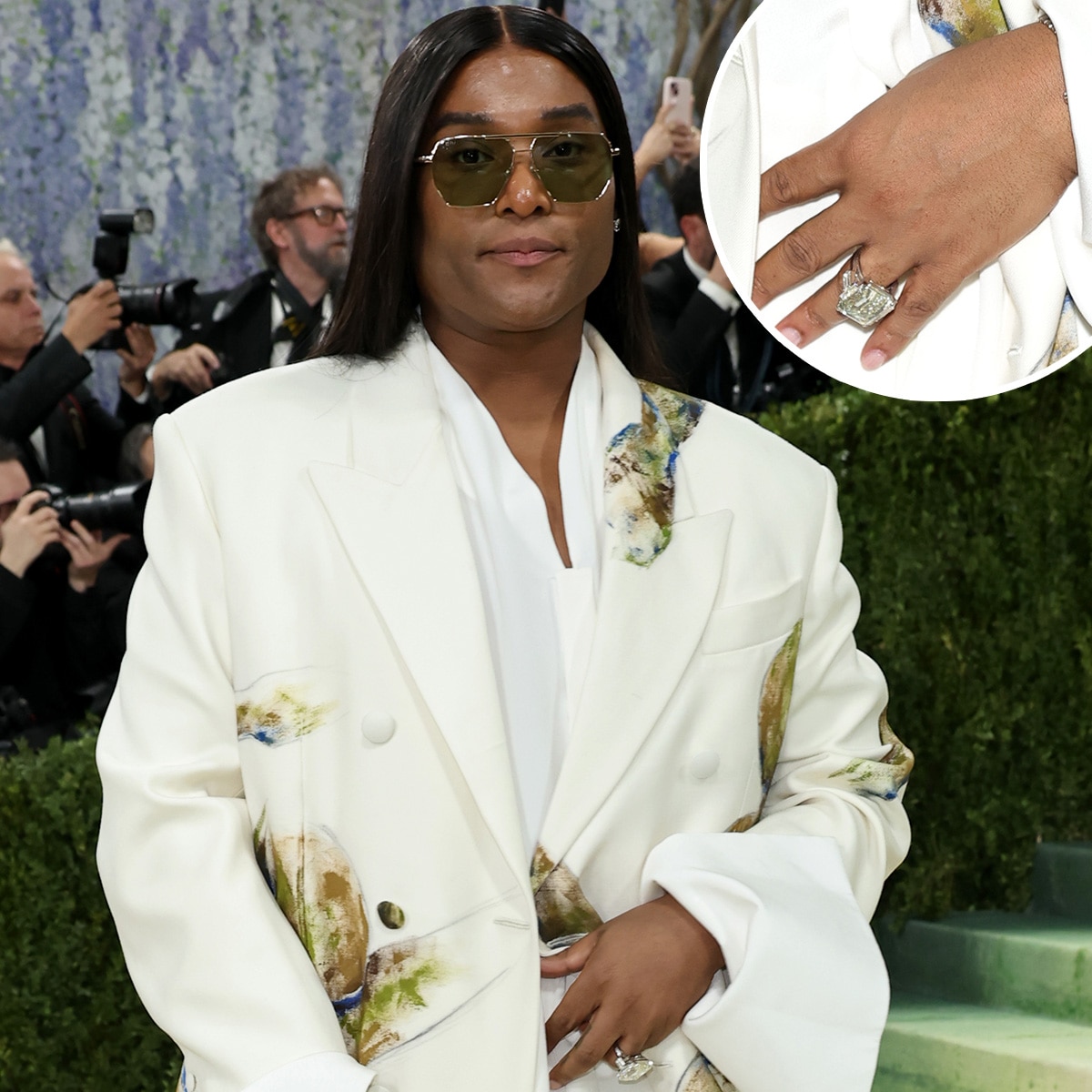
Roach, 48, detailed his pay progression in an interview with GQ published Aug. 27, explaining how he gradually raised his rates from $700 to $1,500, then $3,000, and $6,000 as he built his reputation. The self-described image architect now styles high-profile clients including Zendaya, Ariana Grande, and Céline Dion, though he noted his fees vary depending on the client and project.
Reflecting on his rates, Roach quipped that while he adjusts prices based on the job, he is not Linda Evangelista and would never say he does not get out of bed for less than $10,000 a day. His career path began around 2010 after building a vintage store in Chicago, following a post-college job at a mental health facility where he earned $22,000 a year, or roughly $600 every two weeks. When he left that position, his family reacted with shock that he quit a job with reliable benefits.
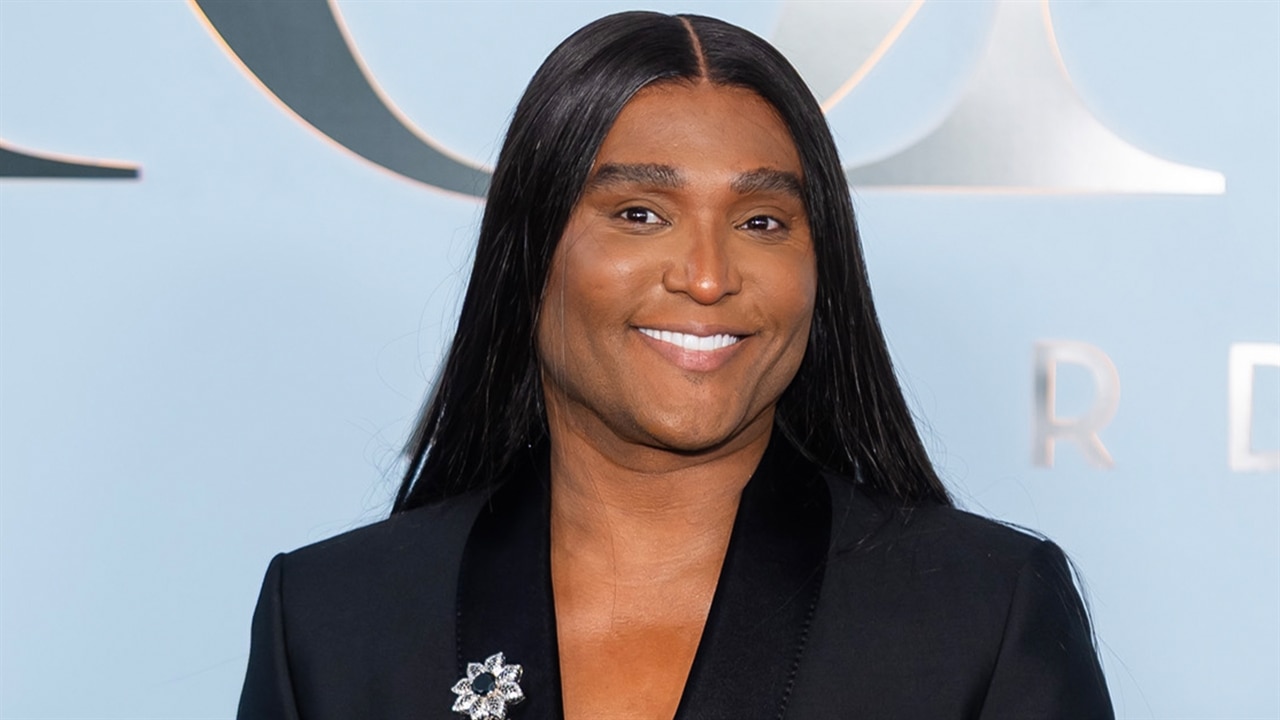
Today, the Project Runway and RuPaul's Drag Race judge feels comfortable enough to shop without immediately checking his bank account. Beyond collecting Hermès bags, Roach purchased the home adjacent to his existing house to prevent close neighbors, creating a compound. He described bidding at art and luxury auctions as his main vice and addiction, admitting he gets competitive, wakes up at 2 a.m. in Los Angeles to bid on European auctions, and later discovers major charges in his email inbox.
Breakout movie roles and minimal starting pay
Roach is far from the only entertainment figure to recall humble financial beginnings. Jackass star Steve-O told Playboy in June 2026 that he was paid less than $1,500 after taxes for the entire first season of the MTV series in 2000. Prior to the show airing, the daredevil was homeless, broke, and unemployed after being kicked out by his sister.

Actor Jon Heder confirmed in 2010 that he received an initial payment of just $1,000 to star in the 2004 comedy Napoleon Dynamite. After the independent film became a sleeper hit, Heder renegotiated his contract with producers for a share of the backend profits.

Australian actress Rebel Wilson detailed in her 2024 memoir Rebel Rising that she was paid $3,500 for her role in the 2011 comedy Bridesmaids, a sum she had to hand over directly to the Screen Actors Guild union to join. Despite making virtually nothing on the film, Wilson described the experience as everything. She later saw her fee rise from the Screen Actors Guild minimum scale of $65,000 for Pitch Perfect in 2012 to $10 million for Pitch Perfect 3 in 2017. Wilson earned $20 million total across Pitch Perfect 3, Isn't It Romantic, and The Hustle, though taxes, legal obligations, and management fees reduced her net payout by nearly half.

Scream queen Jamie Lee Curtis recalled receiving $2,000 a week, totaling $8,000, for her film debut in 1978's Halloween, telling Rotten Tomatoes in 2018 that nobody got paid anything. Co-star Nick Castle, who shared the role of killer Michael Myers, earned $25 a day while attending film school at the University of Southern California with director John Carpenter. Actor Anthony Moran unmasked as Myers for a brief scene, while film editor Tommy Lee Wallace also logged screentime in the horror classic.
Hollywood pay gaps and industry disparities
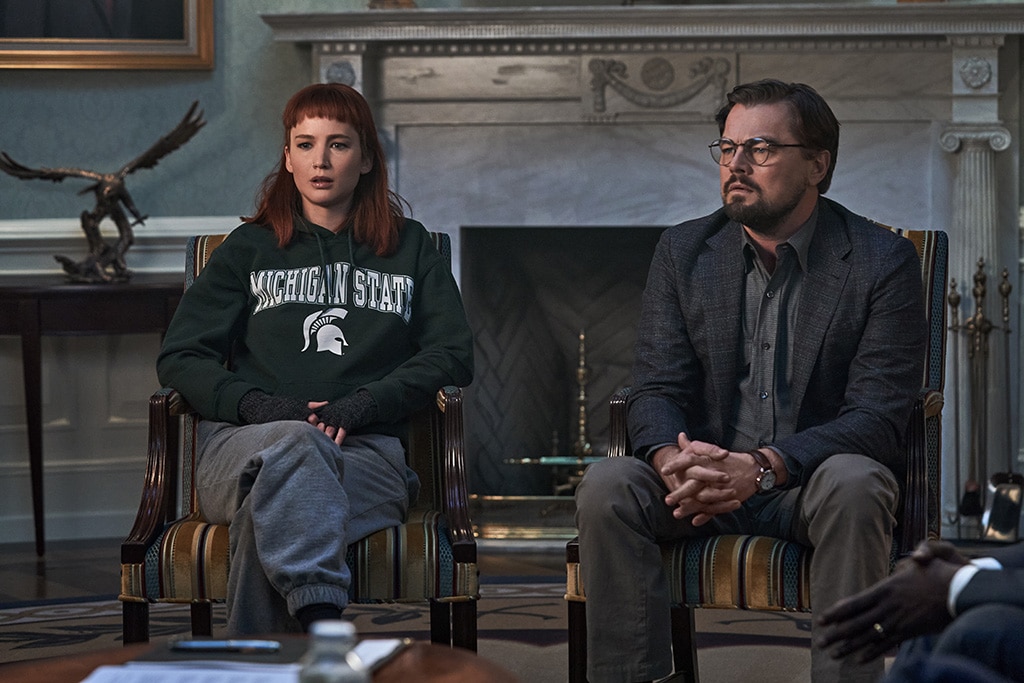
Pay disparities between top stars have also prompted widespread discussion. Oscar winner Jennifer Lawrence earned $25 million for Adam McKay's disaster comedy Don't Look Up, while co-star Leonardo DiCaprio received $30 million. Lawrence told Vanity Fair for its December 2020/January 2021 issue that DiCaprio brings in greater box office revenue, though she noted the discomfort women across industries face when questioning unequal compensation.
Lawrence previously highlighted equal pay issues after the 2014 Sony email hack exposed compensation differences between her and male co-stars on 2013's American Hustle. Speaking to U.K. Channel 4 News in 2017, Lawrence clarified that her anger was not about money, but about systemic unfairness and inequality in Hollywood compensation.
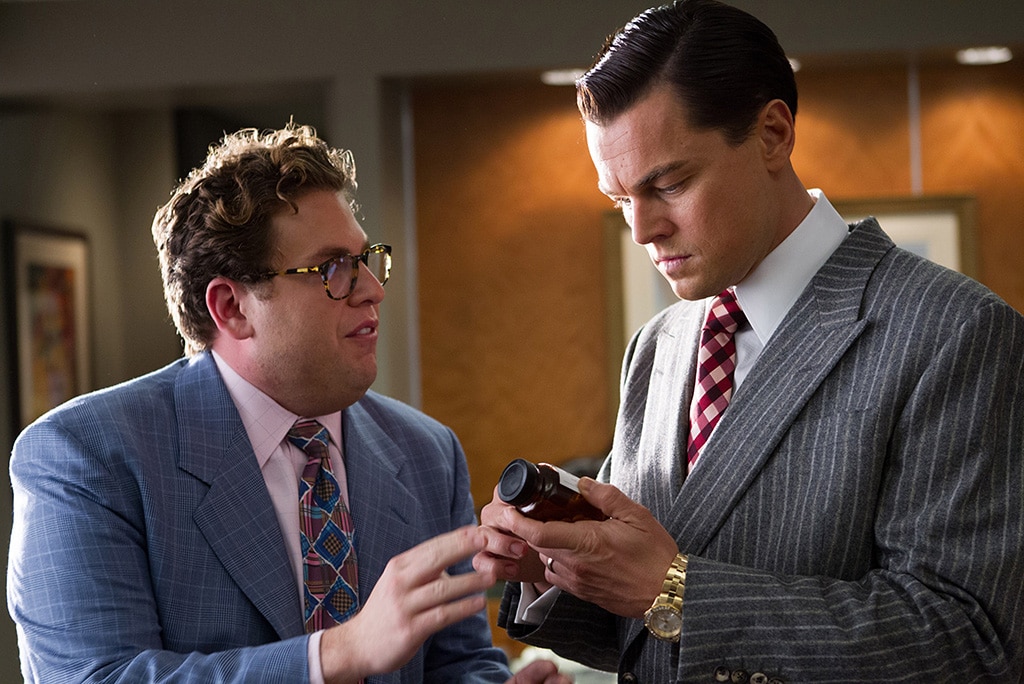
Actor Jonah Hill accepted the SAG minimum of $60,000 before taxes and commissions to star in Martin Scorsese's 2013 film The Wolf of Wall Street, while co-star DiCaprio earned $10 million. Hill recalled on The Howard Stern Show in 2014 that he rushed to sign the contract to work with Scorsese, earning his second Best Supporting Actor Oscar nomination for his turn as a substance-abusing stockbroker after starring in projects like 22 Jump Street.
Taraji P. Henson received $150,000 for her Oscar-nominated performance in 2008's The Curious Case of Benjamin Button after producers rejected her initial $500,000 request. Co-stars Brad Pitt and Cate Blanchett commanded $20 million quotes. Henson explained on the Ladies First With Laura Brown podcast in 2021 that after Uncle Sam took 50 percent in taxes and 30 percent went to team management fees before taxes, her net earnings were roughly $40,000.
Grey's Anatomy star Ellen Pompeo negotiated a late 2017 deal paying $575,000 per episode alongside a seven-figure signing bonus and backend equity points worth $6 million to $7 million. Speaking on the Call Her Daddy podcast in March 2025, Pompeo reflected on earning less than co-star Patrick Dempsey for years, expressing frustration that executives failed to value her equally despite being the series' namesake.
Blockbuster wages and streaming residual debates
Major film franchises have also produced surprising compensation structures. Cate Blanchett revealed on Watch What Happens Live in August 2024 that she received virtually no salary for playing Galadriel in The Lord of the Rings trilogy, which grossed $2.9 billion worldwide, joking that she was compensated in free sandwiches and prop elf ears. Co-star Orlando Bloom, who played Legolas, told Howard Stern in 2023 that he received $175,000 for all three films.
Welsh actor Christian Bale received the absolute minimum legal pay to star as Patrick Bateman in 2000's American Psycho because director Mary Harron was his sole advocate. Bale told GQ in 2022 that makeup artists in the production trailer openly laughed at how little he was paid compared to the crew.
Emilia Clarke denied rumors that the Game of Thrones cast earned $300,000 per episode, telling Variety in 2026 that while earnings were lower than rumored, her salary playing Daenerys Targaryen across eight seasons enabled her to pay off her parents' mortgage.
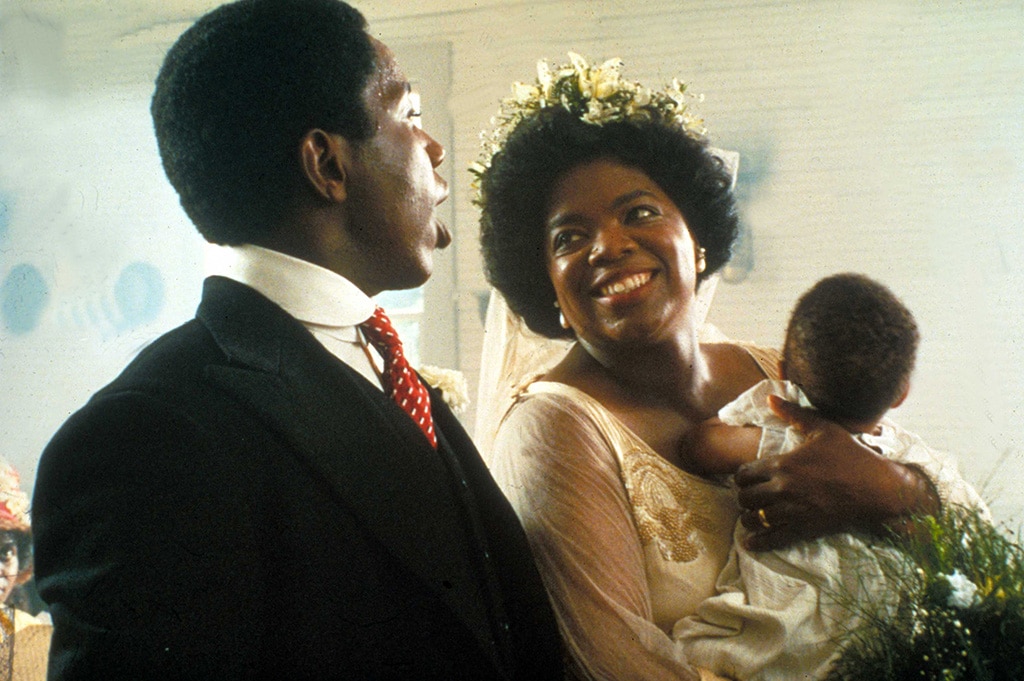
Adrien Brody earned $250,000 for his Oscar-winning role as a Hungarian architect in post-WWII America in The Brutalist, quipping to Variety that he needed a major studio project next to fund the ongoing renovation of his upstate New York barn-turned-castle. Billionaire media mogul Oprah Winfrey earned $35,000 for her film debut in 1985's The Color Purple, calling it the best money she ever earned in a 2023 interview with Essence.
Jennifer Lopez became the first Latina actress to earn $1 million for a film when she starred in the 1997 biopic Selena. She later produced and starred in 2019's Hustlers for free, telling GQ that she chose projects out of passion rather than immediate financial payout.
Television salaries and contract terms
Television stars have also detailed varying compensation rates across traditional networks and streaming platforms. Pete Davidson revealed to New York magazine ahead of Saturday Night Live's 50th anniversary special that he earned roughly $3,000 per episode when joining the NBC show at age 20 in 2014. Adjusting for inflation, early 1975 SNL cast members John Belushi, Jane Curtin, Gilda Radner, Dan Aykroyd, and Chevy Chase earned $750 an episode, equivalent to about $3,300 in 2014 and $4,428 in 2025. Co-star Kenan Thompson, now in his record 22nd season, recalled receiving $800 for his first commercial at age 12.
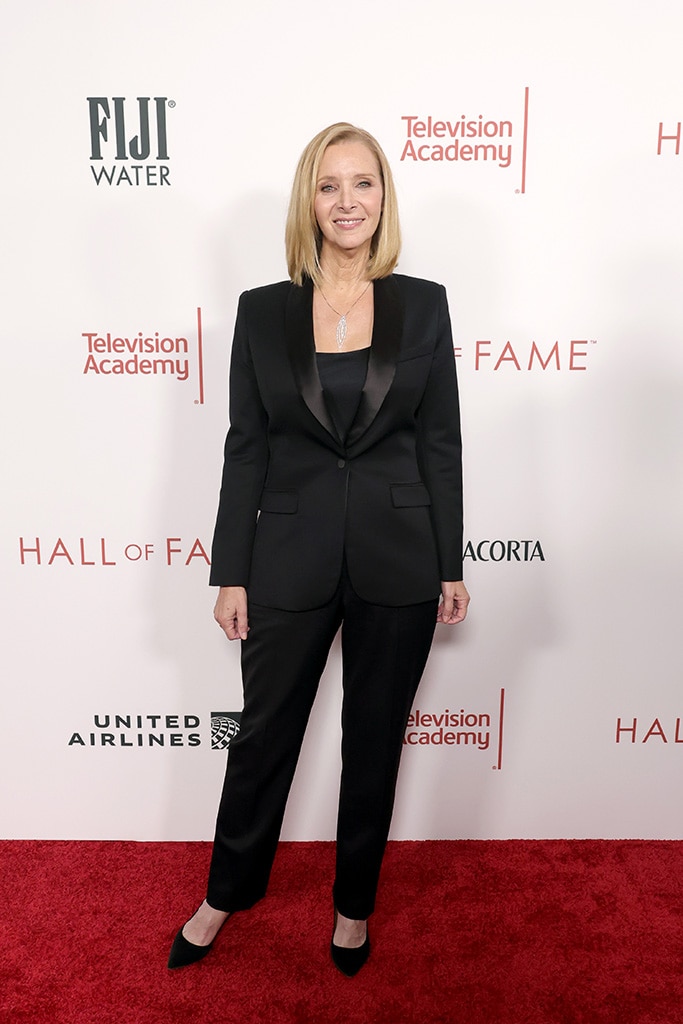
Friends actress Lisa Kudrow confirmed cast residuals of $20 million annually from reruns, praising co-stars Jennifer Aniston, Courteney Cox, David Schwimmer, Matt LeBlanc, and the late Matthew Perry during an April 2026 interview with The Times. Conversely, Lauren Graham noted on Jimmy Kimmel Live in March 2025 that actors receive no residuals for streaming hits like Gilmore Girls on Netflix.
Actress Tommy Dorfman disclosed her earnings during the 2023 SAG-AFTRA strike, writing on Threads that she made $29,953.24 before taxes and 20 percent representation fees for eight episodes of Netflix's 13 Reasons Why season one. Dorfman noted the show garnered 476 million view hours in its first 28 days while cast members lacked residual growth.
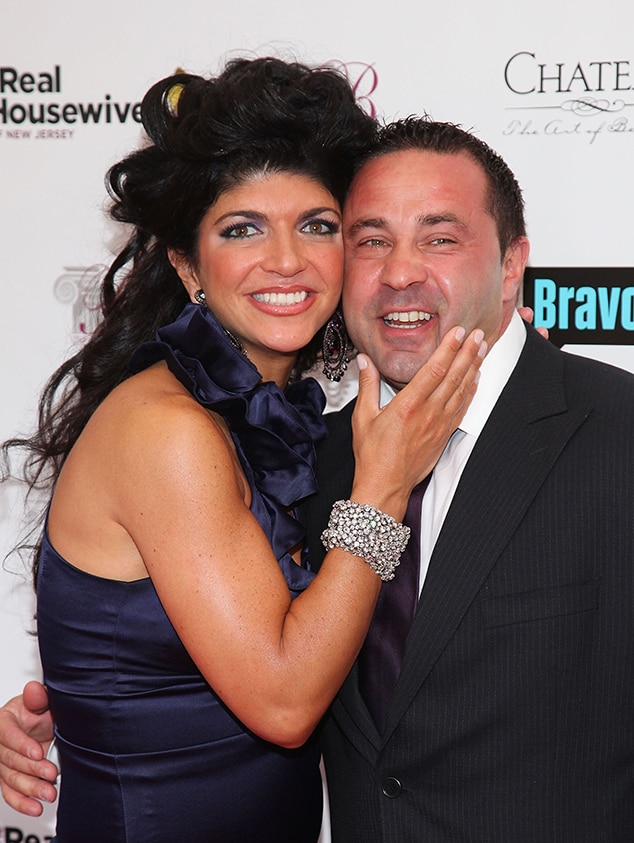
Parenthood actor and Armchair Expert host Dax Shepard acknowledged knowing he was among the lowest-paid actors during the show's six-season NBC run, deliberately avoiding salary inquiries to maintain positive set relationships. Former Real Housewives of New Jersey star Joe Giudice stated on his daughter Gia Giudice's Casual Chaos podcast in August 2025 that he and ex-wife Teresa Giudice earned $25,000 for season one, while hosting a party for the show cost him $150,000.
George Clooney took symbolic $1 payments for writing, directing, and acting in 2005's Good Night, and Good Luck alongside co-writer Grant Heslov. Clooney later adapted the Edward R. Murrow drama for a 2025 Broadway production that grossed a preview record $3.3 million during previews. Meanwhile, Beninese actor Djimon Hounsou told CNN in January 2025 that despite two Oscar nominations for films including Amistad and Blood Diamond, he continues to face financial struggles in Hollywood after two decades in the film industry.
On Dancing With the Stars, pro dancer Jenna Johnson, who won season 33 with Joey Graziadei, explained that winners receive a trophy and final-week bonuses rather than a million-dollar grand prize. Dancers reportedly earn $1,200 to $1,600 per episode up to $100,000 per season, while celebrity contestants start at $125,000 with additional bonuses reaching $50,000 for finalists.