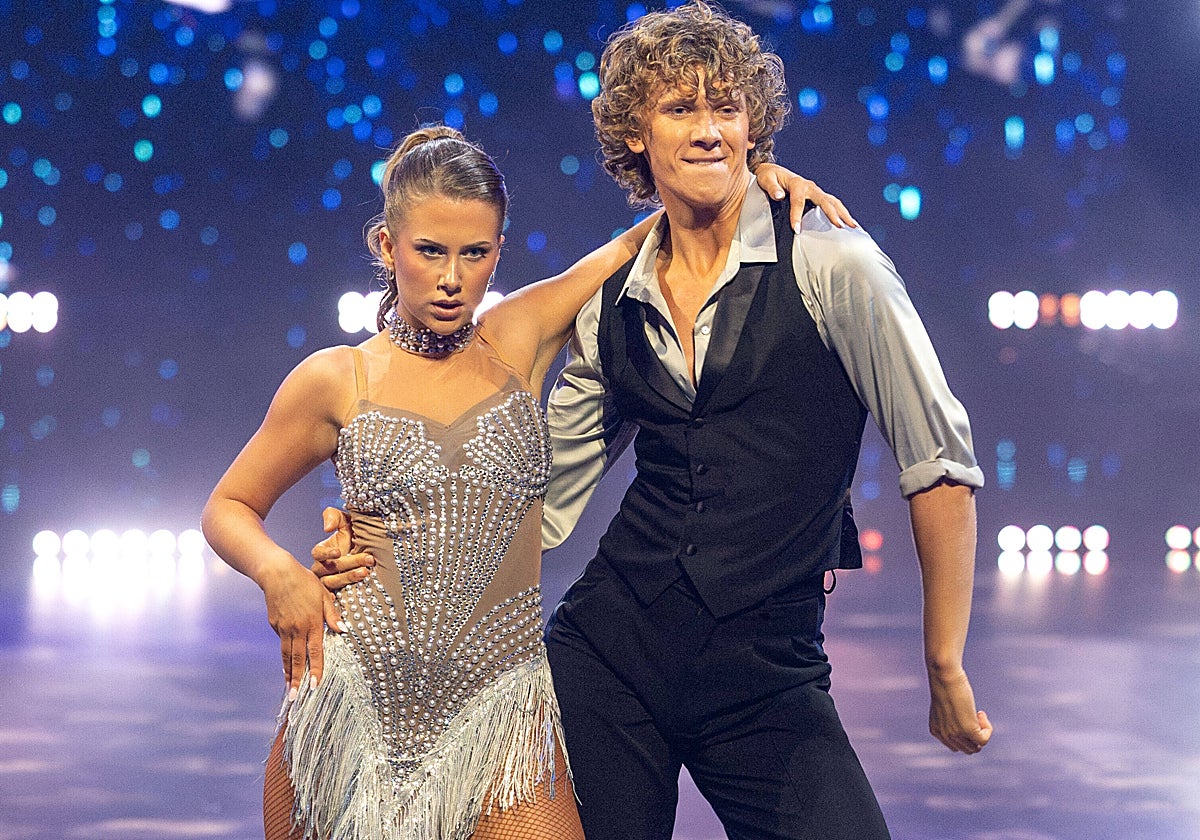


Barcelona hairdresser Mariona Ferran has warned that washing hair with shampoo after every workout can harm the scalp and is often completely unnecessary.
Ferran, who directs the Alegra salon in Barcelona, explained that people who exercise regularly should consider rinsing their hair with plain water instead of applying cleansers each time they leave the gym.
Speaking to reporter Lauren Izquierdo about the dilemma faced by fitness enthusiasts, Ferran explained that she exercises frequently herself and encounters the exact same challenge. She noted that she has curly hair and dislikes wearing it unwashed, but pointed out that while athletes often crave the physical sensation of shower water falling over them, that desire does not mean shampoo is required.
The underlying reason rests on the biological difference between perspiration and dirt. Perspiration produced during a workout consists primarily of water and dissolved mineral salts, including sodium and potassium, secreted by eccrine sweat glands to cool the body. Unlike sebum, the protective lipid film produced by sebaceous glands at the roots, sweat does not contain heavy oils and rinses away easily with clean water.
What Sweat Does to the Scalp
Ferran emphasized that sweating during exercise does not mean the hair is dirty. Although dried perspiration leaves behind salt crystals that can cause itching, dryness, or stiffness around the hairline, it does not require strong detergents to dislodge. She stated that gym goers must learn to distinguish between the desire to feel refreshed and the genuine need to remove grease or environmental buildup.
Commercial shampoos rely on chemical surfactants that bind to oil molecules so running water can carry them away. When used on a daily basis, these detergents can strip away the acid mantle of the scalp, a delicate protective barrier of natural lipids that keeps moisture locked in and defends against harmful microbes. Stripping this layer repeatedly can cause chronic flaking, irritation, or trigger reactive oil production where the scalp compensates by producing excess sebum.
Ferran explained that the scalp relies on this protective barrier to maintain biological balance. She warned against adopting rigid washing schedules, stating that rather than searching for a universal formula, the essential priority is to observe how the scalp responds and establish a routine that is comfortable and respectful of the skin.
Why Water Rinsing Works
According to Ferran, wetting the hair under the shower is sufficient to wash away sweat without applying shampoo every single time. She said that a thorough water rinse removes mineral salts and delivers an immediate sensation of freshness, though she stressed that the habit does not replace the need for a quality shampoo when the hair genuinely becomes oily.
Constant shampooing also creates logistical problems for people with long, dyed, or heat-styled hair. Washing requires subsequent detangling, conditioning, and drying with hot tools such as blow dryers or flat irons. Daily thermal styling depletes the hair shaft of structural moisture and protein, accelerating breakage and split ends while requiring substantial time and effort.

Hair drying habits also influence scalp comfort after exercise. Fellow hairdresser Oriol Barbera noted that when hair takes a long time to dry, it tends to remain stuck flat against the scalp. Allowing wet strands to cling to the skin creates a warm, damp environment that can trap humidity and leave the roots limp.
Hair Types and Drying Time
Different hair textures require distinct care routines after physical activity. Curly and wavy hair types, including Ferran's own hair, are naturally drier because sebum cannot easily travel down spiral strands. Washing curly hair with shampoo too often strips away the limited natural moisture available, leading to dullness, loss of curl definition, and persistent frizz.
Ferran explained that the ideal post workout choice depends on the specific workout completed. She advised that someone finishing a session of yoga or pilates can comfortably skip shampoo, as low impact movements generate minimal perspiration. In contrast, high intensity interval training or heavy cardiovascular exercise generates copious sweat that may need more thorough management.
She added that individuals with naturally oily scalps or those who use strong styling products, such as hairsprays, styling creams, or waxes, will still require a gentle shampoo. Water alone cannot dissolve synthetic resins and heavy polymers, making targeted cleansing necessary to prevent clogged follicles and scalp congestion.
Finding the Right Washing Schedule
Ferran acknowledged that the question of how often to wash hair remains a major subject of debate among hair specialists, but she advised against following general formulas. She suggested that people focus instead on understanding their own bodies, pointing out that scalp condition, perspiration levels, workout intensity, and individual hair textures all shape the best personal routine.
Ferran warned that gym goers should never confuse the desire for a fresh sensation with an obligation to wash their hair. She stressed that maintaining healthy hair involves more than following viral social media tricks or celebrity routines seen on TikTok, reminding people that attentive care and balance are what truly protect the scalp.