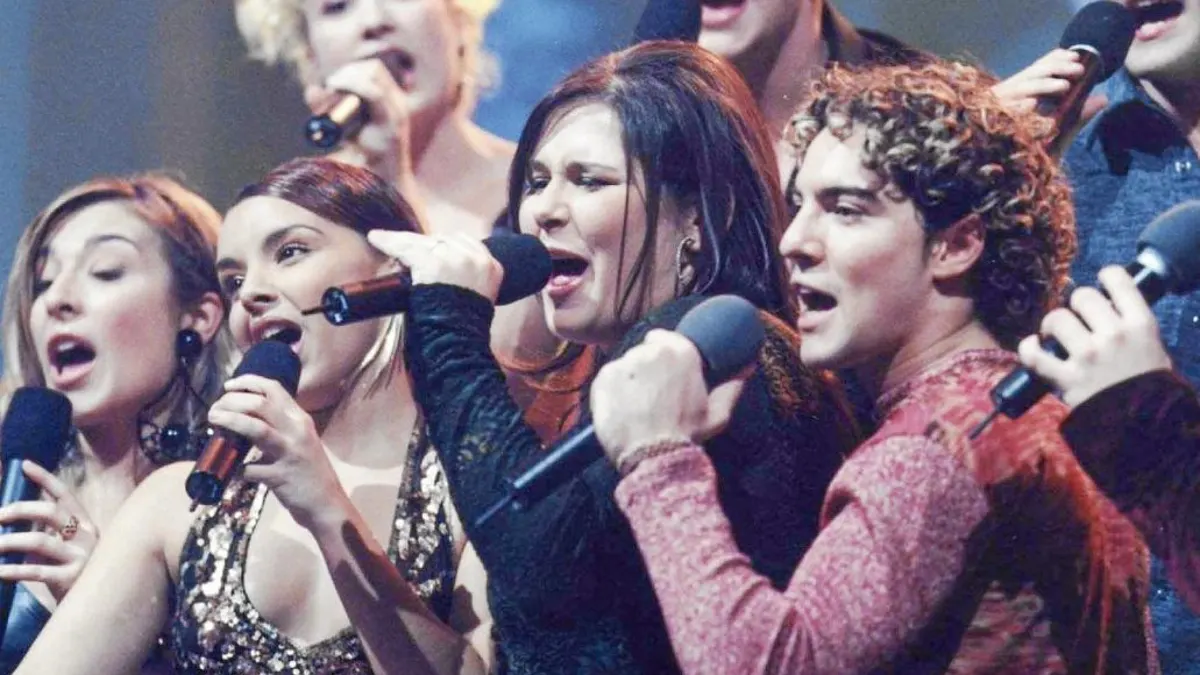
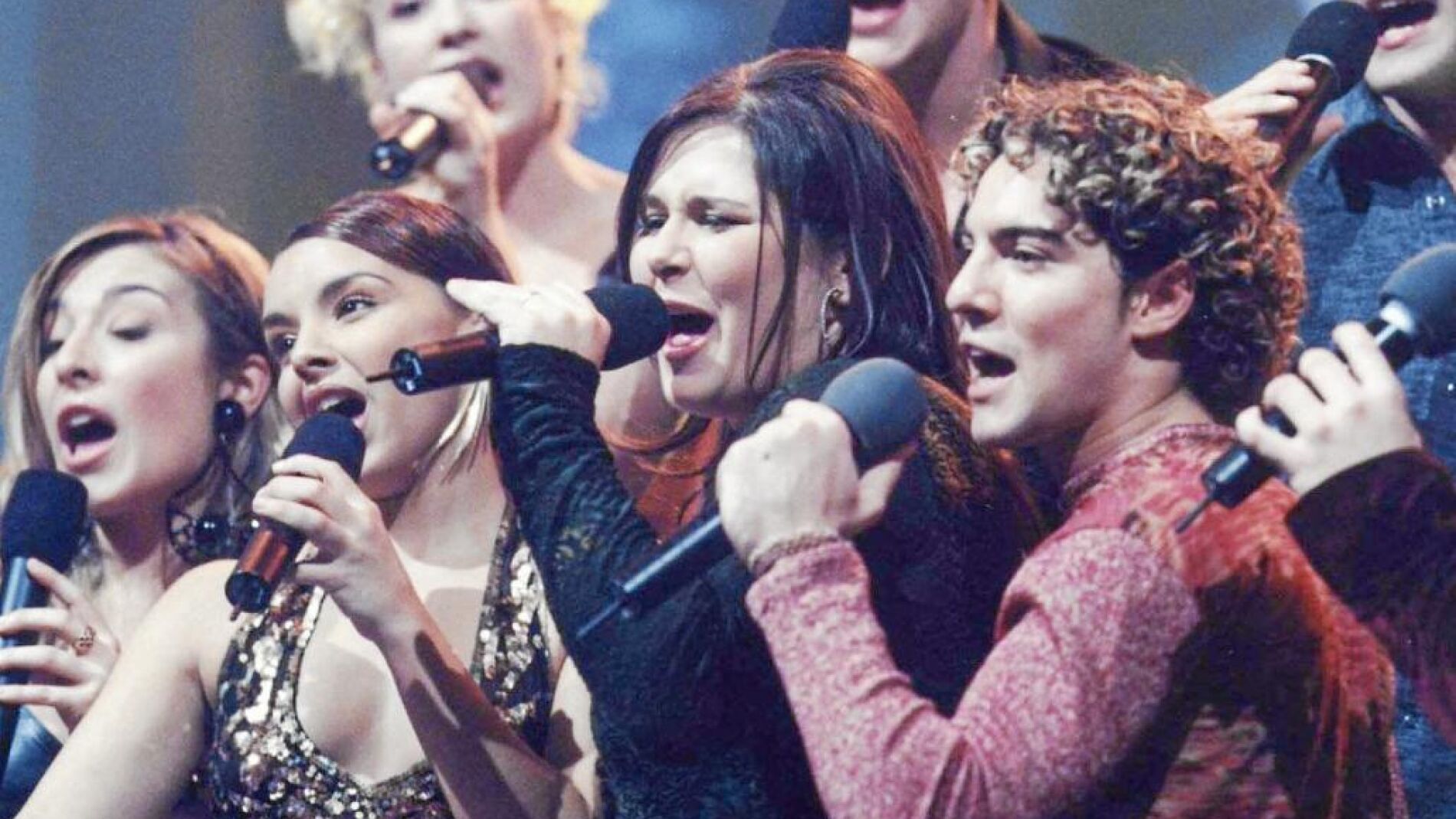
It has been 25 years since Operación Triunfo first aired on Spanish television in 2001, launching a talent competition that reshaped the country's music industry and turned 16 unknown teenagers into overnight celebrities.
The show, remembered for its relentless promotion of contestants and the staggering sales of its spin-off albums, is now preparing its 14th edition, according to Tinet Rubira, who has run the format since it began. Rubira said the programme had likely inspired many of today's Spanish artists, calling it "breeding ground for vocations," though he said it was impossible to know exactly how many performers it influenced.
A format nobody wanted
Rubira said every network had rejected the format before it finally aired, because it proposed putting unknown young people in front of the cameras. He recalled that the general expectation was that the show would fail outright.
The format was designed by Toni Cruz and José María Mainat, the producers behind Gran Hermano and Crónicas marcianas who also had backgrounds in the music industry. Rubira said the pair wanted to replicate the success of Gran Hermano but build in a creative, positive side to the confinement, describing the show from the outset as an artistic academy rather than a show about bedrooms, even though contestants inevitably formed relationships because they were young.
The show's climactic final drew more than 12 million viewers, a 68 percent audience share, according to the article.
Breaking the music industry
Journalist Pedro Ángel Sánchez, author of the recent book "Este no es un libro de OT" (Dos Bigotes), described the programme's unexpected rise from television screens to shops and supermarkets, fuelled by constant promotion on Spanish public broadcaster TVE.
Rubira acknowledged the resentment felt by established artists who saw the market flooded by the 16 newcomers, but said the public simply wanted OT records at a time when overall sales had fallen sharply. He credited the record label Vale Music with a well-planned strategy, selling CDs for 12 euros instead of the usual 20, distributing them widely enough to curb piracy, and getting them onto shelves the day after each broadcast.
Four million records sold
Vale Music secured the rights for what the label's director, Ricardo Campoy, described in Sánchez's book as a modest sum of 65 million pesetas. The label released a CD for each of the show's 14 galas, followed by a Eurovision gala CD (four times platinum), a double official compilation called "El álbum" (12 times platinum), an "Operación Triunfo canta Disney" record (seven times platinum), a double Christmas compilation (six times platinum), a Eurovision disc (platinum) and even "Operación Triunfo: El disco del deporte" (gold).
In total, Vale Music sold four million units. A documentary, "OT, la película," directed by Jaume Balagueró and Paco Plaza, was also filmed before contestants released their own debut albums.
Rubira said major record labels had been invited to take part in the format but had turned the offer down with little interest. The show's success then extended to live performances: he said town councils booking acts for local festivals wanted OT contestants specifically, and in 2002, 65 percent of summer festival bookings went to the show's performers.
"Overnight millionaires"
Responding to accusations that the show was obsessed with success and produced manufactured artists, Rubira said producers had always told contestants the truth, that OT would help launch their careers and offer them exposure, but that ultimately only public approval mattered.
For most contestants, the outcome was financially successful. Bustamante said in "OT. El reencuentro" that contestants became millionaires overnight. Toni Cruz, the show's executive producer, was quoted in Sánchez's book saying contestants went from being nobody to having 200 million pesetas in their bank accounts.
The experience was not uniformly positive. Nuria Fergó has said in the book that she needed psychological help, and Álex Casademunt, who died in 2021, had long complained that some contestants received insufficient support. Of that first generation, only Bisbal and Bustamante went on to have any lasting artistic or commercial impact.
The backlash that followed
After saturating public attention, the show faced a wave of rejection from much of the audience and discredit from specialist music press. Most contestants were left stigmatised, and even when signed by major labels afterward, they had to start from scratch without television's support, defending songs on their own that none of them had written.
Press departments at major labels reportedly called newsrooms asking that interviews be handled by culture journalists rather than entertainment reporters, because the artists lacked credibility. Before long, contestants from OT2, including Manuel Carrasco, Vega and Mai Meneses, were already competing for the same spotlight.
A mirror of Spanish youth
Rubira said the show has also reflected changes in Spanish youth over 25 years, contrasting the innocence of the first edition's contestants with the media-savvy awareness of recent participants. He attributed the shift to the rise of smartphones and social media, saying today's generation has far greater access to media and now discusses topics openly that were not as commonly addressed during the first edition.
What happens next
Producer Tinet Rubira said he is already planning the show's 14th edition.
Test yourself
How much did Vale Music pay for the rights to Operación Triunfo's music, according to the article?
What share of the audience watched the first edition's final?
Which two contestants from the first edition are said to have had lasting artistic success?
Where it happened
Madrid, Spain