Setting powder has become one of the most popular steps in modern makeup routines, used as the final touch to lock foundation and concealer in place and stop shine from breaking through during long days, according to professional makeup artists consulted on the trend.
For years, many people skipped this step entirely, often ending long days with shiny skin, more visible fine lines or a cakey complexion. Setting powder is now being used to prevent exactly that, especially on days packed with several events, or when there is no time to go home between work and a night out to touch up makeup.
The appeal lies in choosing a powder suited to skin type and age, since many formulas now include added skincare ingredients.
Not all setting powders are the same
Makeup artist Jesus Serrano, known on social media as GSus Serrano and who has just launched a collection with MET, said the main function of setting powder is to help makeup last longer and stay in place. He said it helps control shine and excess oil, particularly on the T-zone, covering the forehead, nose and chin. He added that not every powder works the same way, since depending on their ingredients they can absorb more or less oil and leave a different finish on the skin.

Makeup artist Jen Barreiro described setting powders as the saviour of makeup, saying they keep everything in place for hours, control shine, stop makeup transferring onto a shirt collar or a phone screen, and significantly extend how long it lasts. She said brands themselves do not always make the categories easy to tell apart, and simplified them herself: setting powders are for longevity, mattifying powders stop shine, and finishing powders are about making the skin look good, almost like a soft filter. Since some products combine these functions, she recommends ignoring the label and instead judging a powder by the finish it leaves on the skin and how it feels once applied.
Active ingredients inside setting powders
Serrano said powders containing talc or magnesium tend to absorb more oil and can also remove some of the hydration applied earlier in a routine, making them better suited to oily skin. Silica and mica, by contrast, help skin look smoother and disguise minor imperfections, making them a good option for mature or dry skin, or delicate areas such as under the eyes. He stressed that skin preparation matters too, warning that without it, makeup can end up looking cracked and emphasise fine lines regardless of how carefully the powder is applied afterwards.
Barreiro broke down application by skin type. On oily skin, she said mattifying powders are a person's best friend, especially on the T-zone. On combination skin, the trick is to avoid applying powder across the whole face, focusing instead on the forehead, nose and chin while leaving the cheeks free, or using only the thinnest residue left on the brush. Dry skin, she said, needs gentler treatment, calling for very fine textures with a satin finish and minimal product. For mature skin, her advice was that less is more: a very fine powder, with a touch of light, applied only where it is actually needed.
Application tips from the professionals
Both Serrano and Barreiro work with makeup daily and have built up extensive experience with the product's advantages and pitfalls. Barreiro said setting powder should always go on after anything liquid or cream, such as foundation, concealer or cream blush, and before any other powder product, calling it the rule that never fails. She also recommends waiting a minute for foundation to settle before setting it.
On where to apply it, Serrano advises using powder only where it is genuinely needed, such as the T-zone, under the eyes, or areas where makeup tends to shift or shine appears. Barreiro, for her part, leaves the cheekbones free, saying that dewy touch is what makes skin look like real skin.
Common mistakes to avoid
Serrano pointed to applying too much powder in the belief that it will make makeup last longer as one common error. Another is applying translucent powder over blush, bronzer or highlighter, which he said can strip away intensity, colour and shine, leaving the overall look flat. He recommends finishing with a thermal spray after applying powder, since it helps every product blend better into the skin and prevents a powdery or overly dry appearance.
Setting powders to perfect your makeup
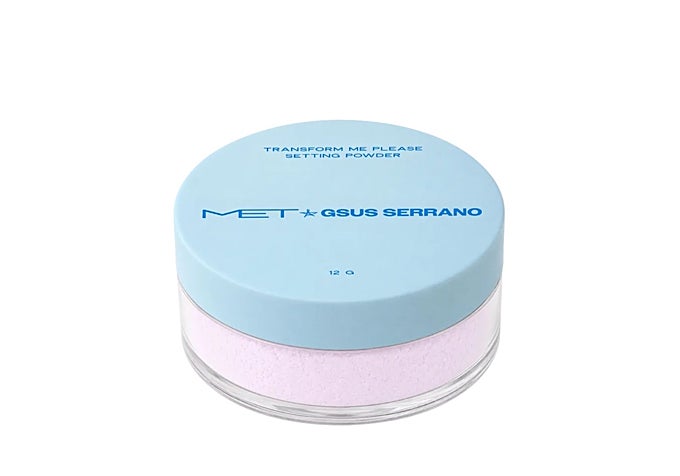
MET x GSus Serrano: The makeup artist and content creator's collection with MET includes the Transform Me Setting Powder, available in two shades, Horizon and Sanctuary, priced at 6.99 euros.
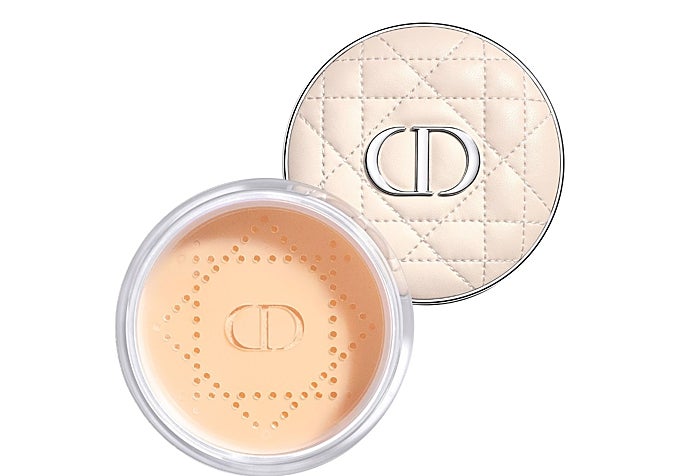
Dior Beauty: Dior Forever On Set Powder blurs the look of pores and imperfections while reducing shine, for a filter-like effect on the skin. It costs 56 euros.
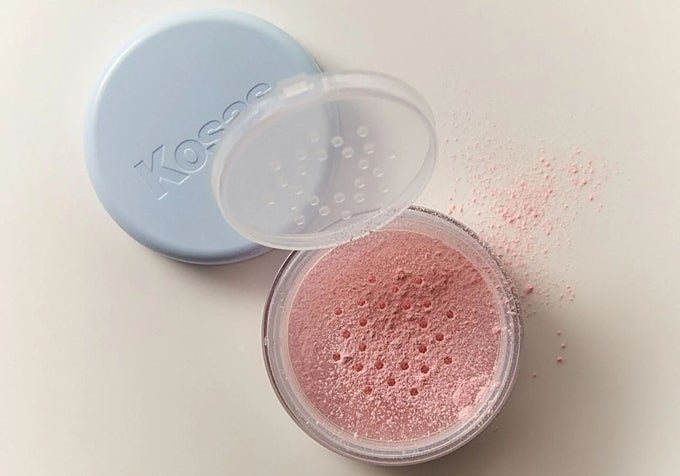
Kosas: The Cloud Set loose powder perfects makeup while caring for skin, combining plant-derived mineral powders with bamboo stem extract that absorbs excess sebum. It is available at Sephora for 41 euros.
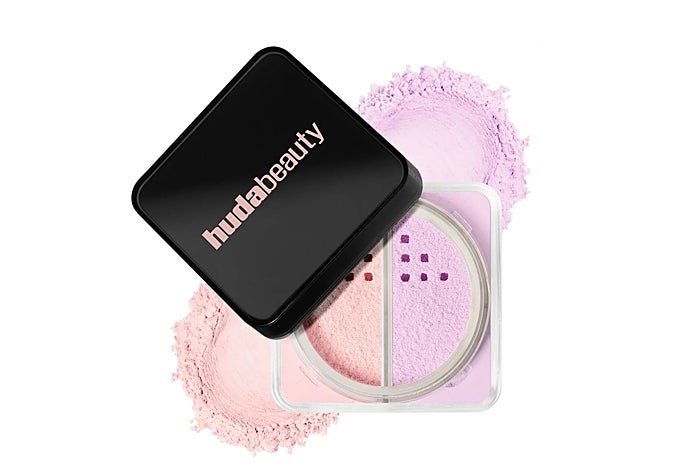
Huda Beauty: Easy Bake Duo is the brand's signature setting product, created by Huda Kattan. Its Ultra Snatched shade sets makeup while giving a luminous, long-lasting finish. It is available at Sephora for 39 euros.
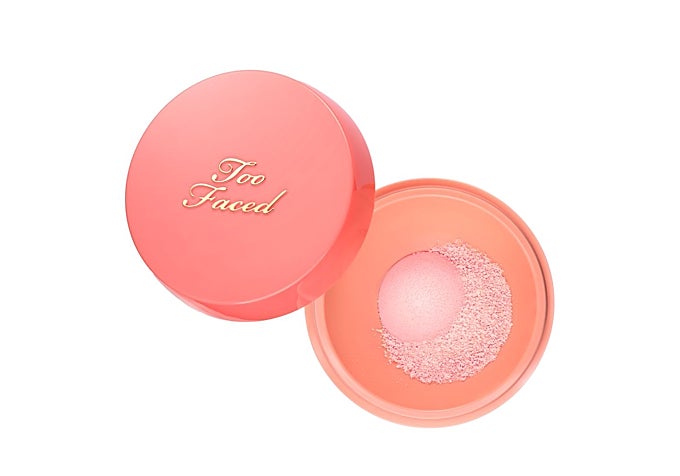
Too Faced: With a fine formula that leaves a blurred matte finish, the Peach Perfector loose powder controls shine and sets makeup for 24 hours. It comes in five shades and is available at Sephora for 39 euros.
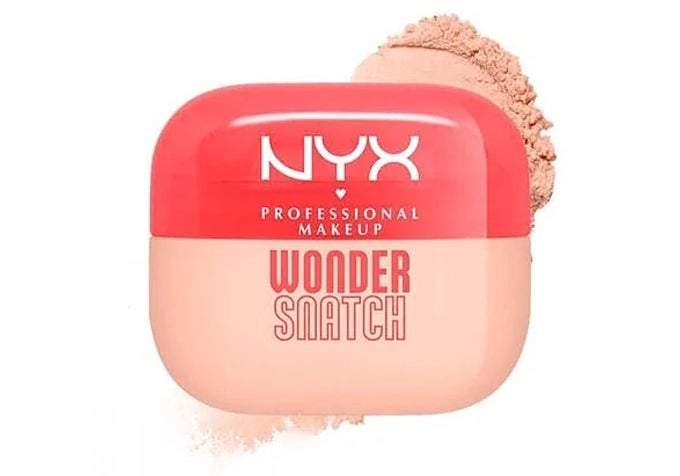
Nyx PMU: Wonder Snatch is a lightweight powder, available in four shades, that reduces and blurs the look of pores and fine lines. Its formula does not dry out as the hours pass. It costs 11.50 euros.
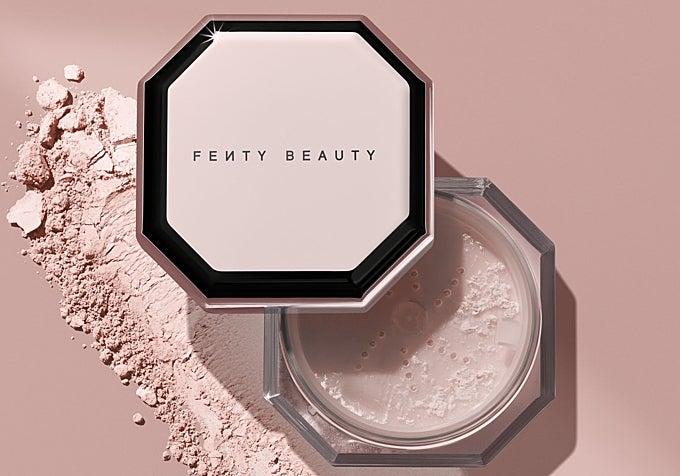
Fenty Beauty: Set It Down is a fine, loose setting powder that mattifies and locks in makeup. Its formula contains hyaluronic acid, which retains skin hydration, and chia seed extract, which controls shine and excess oil. It is available at Sephora for 38 euros.
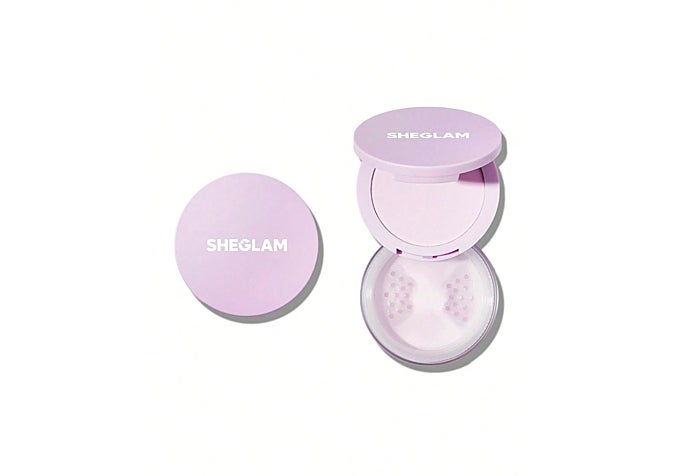
Sheglam: Insta Ready is a two-in-one setting powder with two levels, a pressed powder that sets makeup around the eye area, and a loose, translucent powder that leaves skin shine-free. It costs 8.99 euros.
Test yourself
According to GSus Serrano, what is the main function of setting powder?
What mistake did Serrano warn against regarding translucent powder?
Which ingredients did Serrano say suit mature, dry or delicate skin areas like under the eyes?
Have your say
Do you use setting powder as part of your makeup routine?