


Scottish tartan fabric, today seen across school skirts, scarves, and luxury catwalks, has undergone more than five centuries of reinvention after once being banned under British law following the Jacobite defeat of 1746.
The British Parliament introduced the Dress Act of 1746 to restrict Highland attire as part of an official policy aimed at weakening social structures and symbols associated with the Highland warrior society. At the time, wearing tartan could lead to trouble with the law and imprisonment.
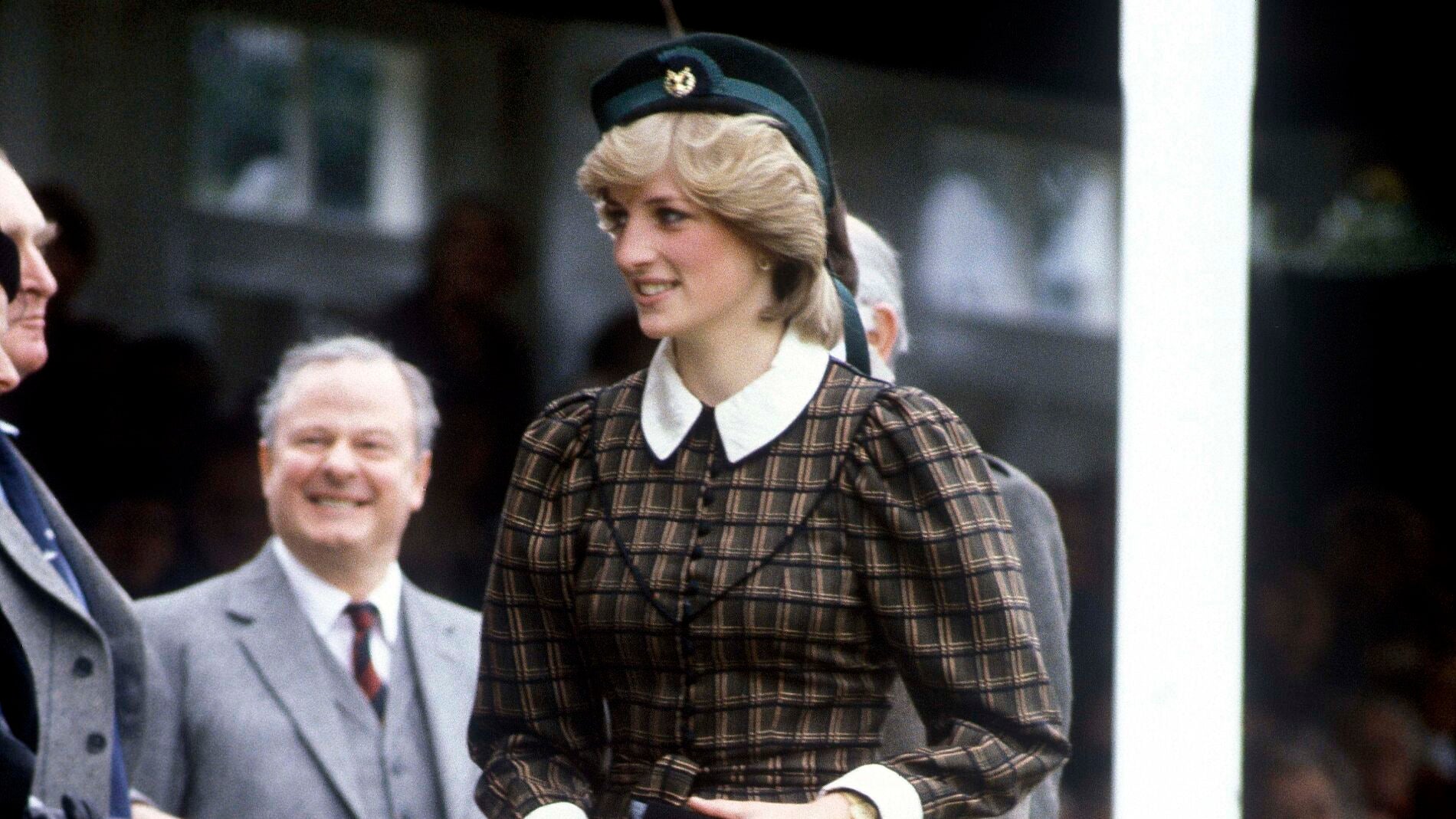
Few fabrics have represented such opposing identities over time. Tartan has symbolized both belonging and rebellion, serving the military, the aristocracy, Queen Victoria, and the Sex Pistols. Contemporary fashion did not create this ability to transform, but inherited a textile that has continually shifted its meaning across centuries.
Ancient Origins and the Myth of Clan Tartans
Technically, tartan is constructed with horizontal and vertical bands of different colors that cross to form a grid. Its history is far less tidy than its geometry.
Archaeological evidence confirms tartan fabrics were used in Scotland during the earliest centuries of the Common Era. Written sources also document a close relationship between tartan patterns and Highland clothing throughout the 17th and 18th centuries.
Fabrics from that period did not follow the family clan system recognized today. Production was decentralized, with weavers working out of small regional workshops. Weavers repeated certain patterns, experimented with new grids, and used locally available dyes or materials obtained through trade.
Color, territory, material availability, and personal taste influenced designs without turning each combination into the ancestral property of a specific surname. Historian Hugh Cheape detailed this evolution in his study, Tartan: The Highland Habit. Cheape traced Highland material culture to what he defined as the Victorian invention of exclusive clan identity, demonstrating that family tartan associations were systematized and commercialized much later.
Political Bans and Military Uniforms
The political suppression of tartan reached its peak following the Jacobite rebellions and the battle of Culloden in 1746. After the defeat of Jacobite forces, the British government passed measures to control the Highlands by restricting traditional male Highland dress.
National Museums Scotland notes that specific elements of Highland dress and tartan were affected by the government ban. While civilian populations faced legal penalties for wearing tartan, the fabric maintained an official presence in military contexts through Scottish regiments.
The military association helped transform how tartan was perceived. When Parliament repealed the prohibition in 1782, attire previously viewed with suspicion began to attract nostalgia, romanticism, and regional identity.
Royal Visits and the Scottish Fashion Trend
A major turning point arrived in 1822 when King George IV made a State visit to Edinburgh, an event carefully staged by writer Sir Walter Scott. The monarch appeared in public wearing striking Highland attire and Royal Stewart tartan, accompanied by pink stockings that bewildered some contemporaries.
Organizers also requested that attendees at the grand ball held during the royal visit dress in Highland style. National Museums Scotland considers the 1822 visit a decisive moment that consolidated the kilt as Scottish national dress and drove commercial interest in classifying tartans by clan.
The romantic literature of Sir Walter Scott helped complete an idealized image of Scotland across Europe. Documentation preserved by the Metropolitan Museum of Art shows that 1820s France developed a trend known as mode écossaise. French dresses and patterns drew inspiration from tartan checks and the romantic Highlander image popularized by Scott's novels.
Balmoral Castle and Aristocratic Adoption
If King George IV helped romanticize tartan, Queen Victoria and Prince Albert turned it into part of the visual imagery of the British monarchy during the 19th century. The royal couple acquired the Balmoral estate in Scotland after becoming fascinated by the region.
At Balmoral Castle, Queen Victoria and Prince Albert incorporated tartans into interior furnishings and developed custom designs linked directly to the residence. Media accounts noted that royal interest sparked a Balmoralisation of interior decor and fashion, spreading Highland aesthetics throughout wealthy Victorian households.
A pattern that had endured a legislative prohibition was now firmly established inside elite wardrobes and aristocratic residences.
From Royal Estates to Punk Rebellion
The second major transformation of tartan within modern fashion came through designer Vivienne Westwood. Westwood recognized that using a symbol tied to British identity to challenge British institutions created a powerful visual contradiction.
Tartan entered the punk vocabulary alongside safety pins, leather jackets, torn garments, and political messages. Its association with the Sex Pistols, whose manager Malcolm McLaren worked alongside Westwood, transformed the pattern once again.
Westwood maintained tartan as a core design element long after her early punk years, making it a permanent signature of her brand. In her Autumn/Winter 1993 Anglomania collection, Westwood introduced her own tartan, known as MacAndreas, mixing British historical references with corsetry, tailoring, and exaggerated proportions.
The MacAndreas pattern remains in the house archive today. Over three decades later, Vivienne Westwood's Autumn 2026 collection continues to revisit those codes, using tartans in taffeta dresses, fitted jackets, and knitwear sets.
Catwalk Legacy from McQueen to Chanel
Vivienne Westwood was not the only designer drawn to the fabric. Scottish designer Alexander McQueen explored tartan through a darker, political lens reflecting his family background.
McQueen's Autumn/Winter 1995 collection, Highland Rape, remains heavily discussed and drew on Scottish history and its conflicted relationship with England. Tartan reappeared throughout McQueen's later work as part of a vocabulary mixing history, identity, and provocation.
French fashion house Chanel also adapted Scottish checks for its own style. In 2012, Karl Lagerfeld presented the Métiers d'Art Paris-Édimbourg collection, incorporating traditional tartans into dresses, coats, and knitwear garments.
From its roots in regional craftsmanship and an 18th-century government ban, tartan has maintained its relevance across more than five centuries of fashion history.