Spanish magazine TELVA has published its monthly short story feature for November, running "Dicen que fue su gato" ("They Say It Was His Cat"), a dark tale by Peruvian author Gustavo Rodríguez about a gifted young writer who vanishes into a secret identity.
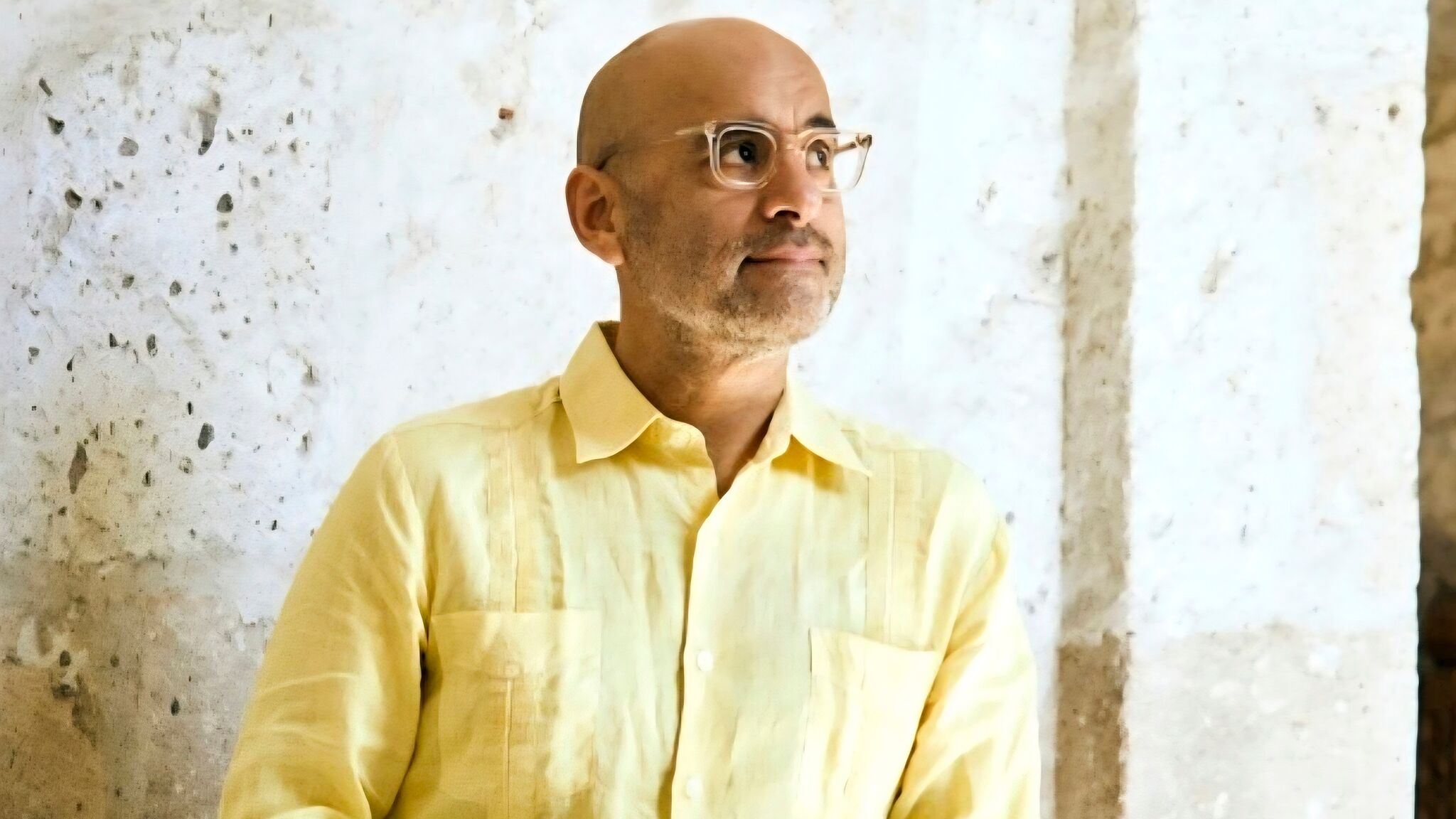
Rodríguez is a Peruvian novelist and journalist who won the Premio Alfaguara de Novela in 2023 for his book "Cien cuyes." His TELVA story is told as a monologue by an unnamed narrator, an old classmate of the story's central character, Arturo, who recounts Arturo's life to a visitor researching what he calls "the case," now that it has become public.
A gifted but bullied classmate
The narrator recalls that Arturo was always held up at school as a model pupil, reciting poems and stories that had won literary competitions while teachers praised him. His classmates responded by mocking him relentlessly, refining nicknames and jokes at his expense. The narrator admits he secretly envied Arturo's talent, since he too was drawn to books but eventually accepted he lacked the same gift. Arturo avoided becoming a total outcast, the narrator says, partly thanks to his sudden temper and his encyclopedic knowledge of football trivia.
A rising literary career
At university, Arturo found his footing, leading the faculty magazine, editing fellow students' work and winning a short-story prize. He went on to host a weekend radio programme about literature, a role that gave him unusual visibility in a country with little space for cultural coverage, earning gratitude from writers he featured and resentment from those he left out, the narrator says. His career peaked when Arturo won a state-backed fiction prize, though the narrator cannot recall whether it was sponsored by the Reserve Bank or the oil company Petroperú.
What followed, according to the narrator, was a steady decline. Arturo's next book disappointed and was mocked in online groups just as Facebook was taking off, and a further novel was savaged by critics before being largely ignored.
Shifting literary trends
The narrator says what comes next is his own reconstruction, based on Arturo's old social media posts and local gossip. He recalls Arturo taking an interest in the rising Argentine writers Mariana Enríquez and Samanta Schweblin, and later writing a widely shared article about the Carmen Mola affair in Spain, where a bestselling pseudonymous female author was eventually revealed to be three men. Arturo reportedly argued it took three men to fill the space of one talented woman, a line that drew a sharp online reply pointing out he had mostly interviewed male chauvinists on his own radio show. He gradually disappeared from social media, and the narrator recalls seeing a friend of Arturo's express surprise that reading clubs were made up almost entirely of women, around the same time he came across a claim that nine of the ten best-selling novels in the United Kingdom centred on a woman's tragedy.
The rise of a mysterious novelist
Four years ago, the narrator says, a new female writer drew attention in Peru with a novel about a football coach who falls in love with a boy on her team. The author gave no interviews and did not include a photograph on the jacket, feeding a mystique that helped the book at home, where it earned strong reviews, a reprint and a readers' prize from the newspaper El Comercio, though it failed to break out abroad. The narrator's reading group put the lack of international success down to a small publisher, the absence of a foreign literary agent and, paradoxically, the author's own anonymity, with the narrator joking that even J.D. Salinger would have struggled to stay hidden today.
A couple of years later, a Spanish publishing house announced the same author's new novel, promoting her as a defining new Latin American female voice. This time the jacket carried a photograph taken from behind in dim light, alongside a biography describing her as an editor and translator who worked in solitude with her cat. The novel told of a woman who struggled from childhood against a patriarchal system that wanted her to raise children rather than become a writer like the men of the Latin American Boom. The narrator calls the book an unconvincing echo of Elena Ferrante, saying its first-person voice read as though narrating someone else's experience, and that it fell well short of the success its publicity had promised.
Arturo unmasked
Now that the case is public, the narrator says plainly that Arturo was the real author behind the pseudonym, under pressure to deliver a defining work after his earlier novels had fizzled. He describes Arturo as consumed by anxiety, insomnia and medication, privately fantasising about the moment his name would be revealed to the critics who had mocked him, comparing him to the French writer Romain Gary. Gossip later circulated, the narrator adds, that Arturo had tried writing the novel dressed as a woman to help himself into the right frame of mind, and that his cleaner claimed to have sometimes found blood-stained sanitary pads in his wastebasket.
The night in the emergency room
The narrator then discloses what he calls off-the-record information: a blood test taken that night showed Arturo had been taking progesterone and estrogen. Intoxicated by drugs and alcohol, Arturo arrived at the emergency room where the narrator, revealed to be a doctor, happened to be covering a night shift more than thirty years after the two had last seen each other at school. Arturo was bleeding heavily from a self-inflicted wound, and what he had cut off was never recovered. The story closes with the narrator repeating the rumour that gives it its title, that it was eaten by his cat.
Part of a monthly fiction series
Rodríguez's story is the latest instalment in TELVA's monthly Culture strand, which in October ran "Las gafas de corazón," a short story by Bárbara Mingo. The same section also featured a piece on the exclusive book club that novelist Amor Towles set up with two friends, who meet for dinner once a month and read up to twelve books a year as they carefully choose what comes next.
Test yourself
Who wrote the short story 'They Say It Was His Cat' published by TELVA in November?
What is revealed about the narrator by the end of the story?
What did Arturo reportedly begin taking under pressure to write his defining novel?
Where it happened
Lima, Peru