
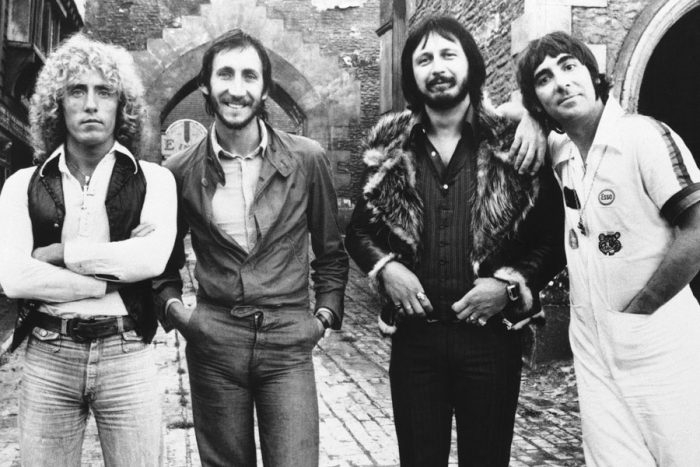
British rock band The Who have surpassed 120 million digital streams for their 1973 album Quadrophenia as new listeners connect with the landmark record.
The digital streaming milestone reflects a steady resurgence for the 17-track rock opera, which struggled initially to gain widespread recognition following its release.
First released in 1973 as the band's sixth studio album, Quadrophenia faced a slow commercial and critical reception compared to the immediate success of Tommy in 1969. At the time of its debut, progressive rock projects by British groups including Genesis, Yes, and Pink Floyd dominated the upper reaches of the music charts.
The album was structurally complex, emotionally intense, and filled with specific local references that made it difficult for early audiences to digest. Even a 1979 feature film adaptation directed by Franc Roddam took time to establish the record as a definitive work in rock history.
Album Concept and Identity Crisis
Quadrophenia tells the story of Jimmy, a young man living in London in 1964 who suffers from a deep identity crisis while struggling to find his place in society. The narrative reflects the mid-1960s British mod subculture, a youth movement characterized by tailored fashion, motor scooters, and rhythm and blues music.
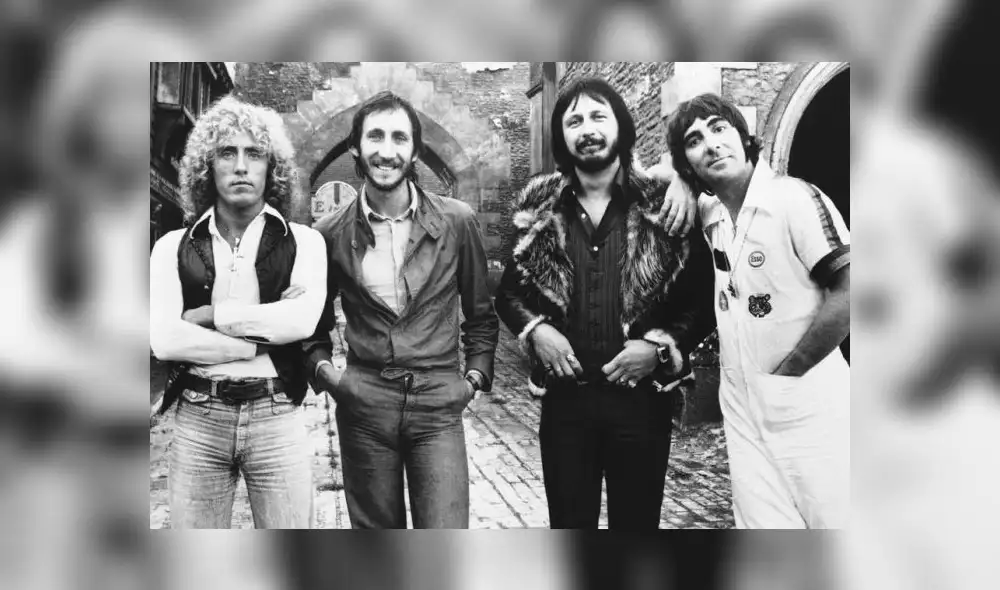
The band constructed Jimmy's emotional persona by combining personality traits from all four members of The Who: lead vocalist Roger Daltrey, guitarist Pete Townshend, bassist John Entwistle, and drummer Keith Moon. The album title itself was coined by merging the concept of quadraphonic sound, an early four-channel audio format, with schizophrenia.
Cultural Impact and Reader Connection
Despite its initial struggles, the album developed a powerful connection with listeners that has endured across generations. Pearl Jam frontman Eddie Vedder declared that listening to Quadrophenia saved his life when he was 14 years old.
Music writer Gabriel Ruiz Ortega recalled discovering the album on an October afternoon in late 1993 in central Lima, Peru. After leaving the Instituto Cultural Peruano Norteamericano, Ruiz Ortega walked toward La Colmena near the central building of Universidad Nacional Federico Villarreal, where music vendors in leather attire sold vinyl records and cassettes along the steps.
Upon hearing a track starting with the lyrics Why should I care? playing from wooden-bordered speakers, Ruiz Ortega questioned vendor Javier, known locally as El Pajaro. Javier explained that the music was written by Pete Townshend and formed the introduction to the song 5:15. Inspired by the sound, Ruiz Ortega purchased a bootleg cassette featuring a photocopied cover.
Key Tracks and Musical Legacy
The universal theme of seeking belonging in a fast-moving world continues to resonate with contemporary teenagers and young adults. Out of the 17 tracks on the album, notable highlights include Bell Boy, Cut My Hair, Drowned, I Am The Sea, Is It In My Head?, The Dirty Jobs, The Punk and the Godfather, and The Real Me.
With more than 120 million streams logged across digital platforms, music analysts note that younger generations are actively rediscovering the musical aesthetic and renewing power of The Who.